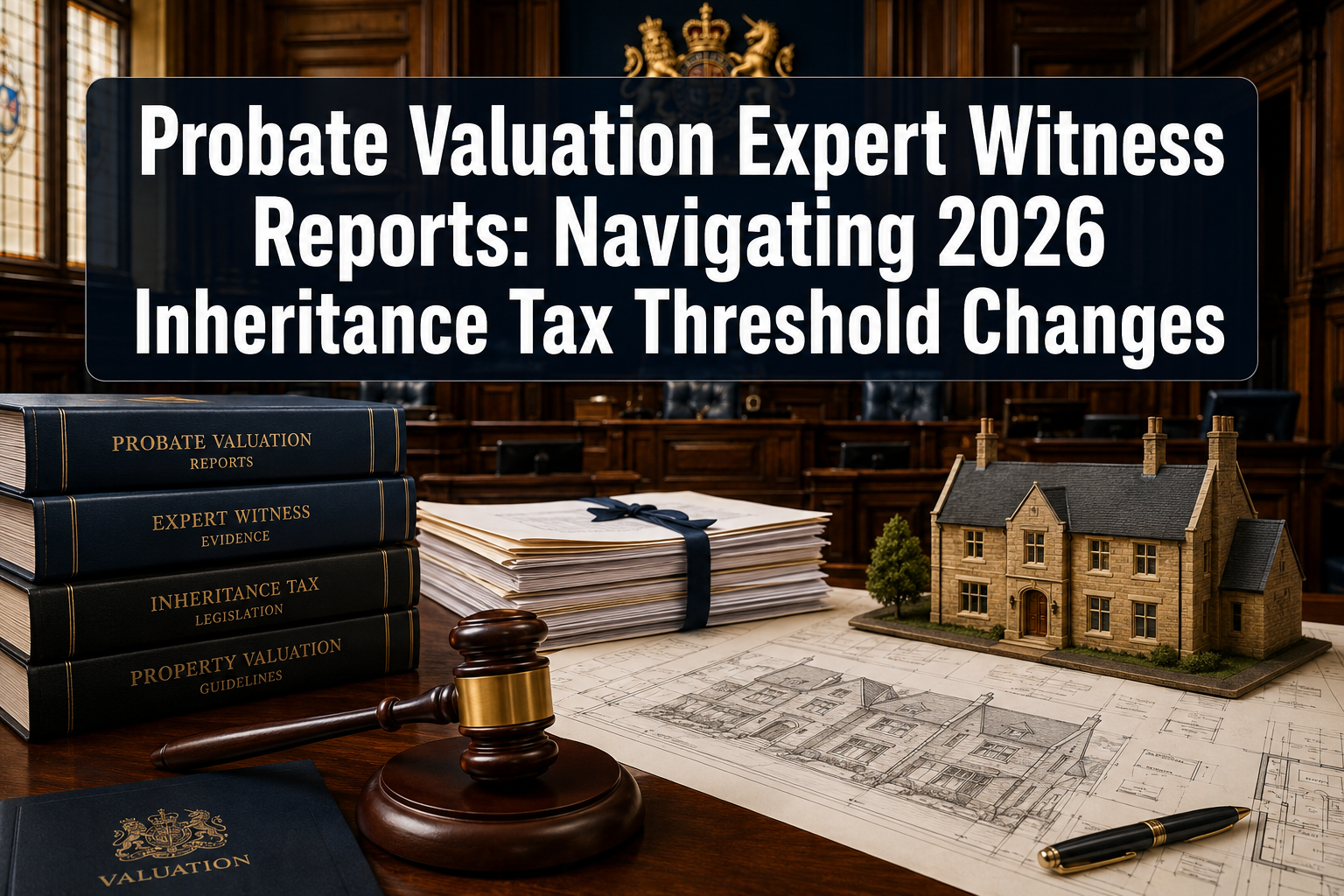

Frozen inheritance tax thresholds combined with rising UK property values created an estimated 10,000 additional taxable estates in the 2024-25 tax year alone — and that pressure is intensifying in 2026. For executors, solicitors, and RICS-accredited valuers, the consequences are direct: probate valuation expert witness reports are now subject to greater tribunal scrutiny than at any point in recent memory. Getting the methodology wrong does not just delay probate — it can trigger costly disputes, penalties, and litigation.
This article examines how the 2026 inheritance tax threshold changes reshape the requirements for expert witness valuation reports, what RICS methodologies apply, and how practitioners can produce defensible, tribunal-ready evidence.
Key Takeaways
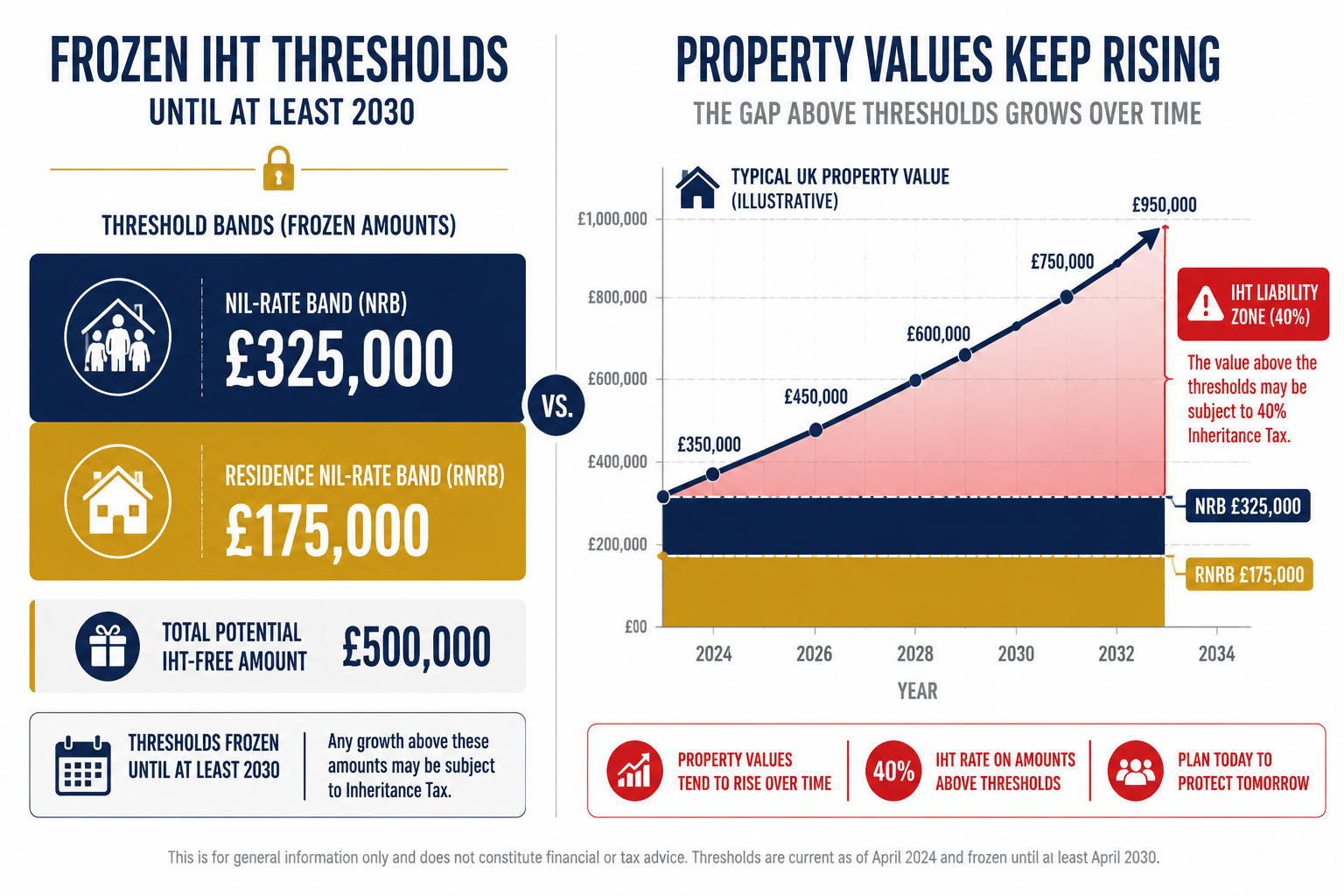
- The Nil-Rate Band (NRB) remains frozen at £325,000 and the Residence Nil-Rate Band (RNRB) at £175,000 until April 2031, pulling more estates into IHT liability as property values rise [1].
- From April 2026, Agricultural and Business Property Relief thresholds increased from £1 million to £2.5 million per individual, requiring specialist valuation evidence for qualifying assets [2].
- Pension pots will be included in taxable estates from April 2027, demanding a broader approach to estate asset valuation.
- Expert witness reports in contentious probate must comply with CPR Part 35 and RICS Red Book standards to withstand tribunal challenge.
- Diminution evidence, comparable market analysis, and clear methodology statements are the three pillars of a defensible probate valuation report in 2026.

Why 2026 Is a Turning Point for Probate Valuation Expert Witness Reports
The phrase "fiscal drag" rarely generates urgency — until it affects a family home. With the NRB held at £325,000 and the RNRB at £175,000 through to April 2031, HMRC is effectively widening the IHT net without changing the headline rate [1]. Average UK house prices in many regions now exceed the combined NRB and RNRB allowance for a single individual, meaning a straightforward residential estate can trigger a 40% tax charge on the excess.
Nick Pheasey of KPMG has described the 2026 IHT changes as "the most significant in a generation," particularly regarding Business and Agricultural Property Reliefs [5]. That characterisation is not hyperbole. When relief thresholds shift and frozen bands remain static against a backdrop of asset inflation, the valuation figure placed on an estate becomes the single most consequential number in the entire probate process.
"The valuation figure placed on an estate is the single most consequential number in the entire probate process."
Probate valuation expert witness reports: navigating 2026 inheritance tax threshold changes is therefore not an abstract compliance exercise. It is a practical discipline with direct financial consequences for beneficiaries, and direct professional liability consequences for the valuer who signs the report.
The Scale of the Problem
IHT receipts fell to £0.7 billion in April 2026 — £65 million less than April 2025 — but analysts consider this a temporary dip rather than a structural decline [3]. The combination of frozen thresholds and rising asset values is expected to produce a sustained increase in IHT-liable estates through the remainder of the decade [4]. Practitioners should not interpret a short-term receipts reduction as a signal that scrutiny is easing.
Understanding the 2026 IHT Threshold Landscape
Before a valuer can produce a defensible report, they must understand the precise legislative framework against which that report will be assessed.
Nil-Rate Band and Residence Nil-Rate Band
| Threshold | Current Amount | Frozen Until |
|---|---|---|
| Nil-Rate Band (NRB) | £325,000 | April 2031 |
| Residence Nil-Rate Band (RNRB) | £175,000 | April 2031 |
| Combined (individual) | £500,000 | April 2031 |
| Combined (married couple/civil partners) | £1,000,000 | April 2031 |
Source: HMRC [1]
The freeze is the mechanism. As property values climb, the gap between market value and the available nil-rate bands widens. An estate worth £600,000 in a rising market that was previously sheltered by an RNRB claim may now face an IHT bill on £100,000 of excess value — a bill that a well-evidenced valuation report could legitimately reduce if the market value is correctly assessed.
Agricultural and Business Property Relief Changes
From April 2026, the qualifying threshold for Agricultural Property Relief (APR) and Business Property Relief (BPR) rose from £1 million to £2.5 million per individual. Spouses or civil partners can collectively shelter up to £5 million in qualifying assets [2]. This is a significant change, but it introduces complexity rather than simplicity: the valuation of agricultural land, farming businesses, and closely held company shares must now meet a higher standard of precision because the stakes attached to relief qualification are greater.
A valuation that incorrectly classifies an asset as qualifying — or one that undervalues qualifying assets below the relief threshold — can have six-figure consequences. This is precisely where probate valuation expertise becomes indispensable.
Pension Pots from April 2027
Starting April 2027, pension death benefits will be drawn into the deceased's estate for IHT purposes. While this falls slightly outside the immediate 2026 window, estate planning strategies being developed now must account for this change. Valuers instructed on complex estates should be aware that total estate value assessments will need to incorporate pension asset figures from that date forward [3].
RICS Methodologies for Tribunal-Ready Expert Witness Reports
Producing a probate valuation that survives HMRC challenge or tribunal scrutiny requires more than a desktop estimate. The RICS Red Book (Valuation — Global Standards) sets the framework, and CPR Part 35 governs the conduct of expert witnesses in civil proceedings. Both must be satisfied simultaneously.
The Comparable Sales Method
For residential property — which forms the majority of probate estates — the comparable sales method remains the primary approach. The valuer must:
- Identify genuinely comparable transactions within a defined radius and timeframe
- Adjust for material differences (condition, tenure, size, location)
- Reference the date of death as the valuation date, not the date of instruction
- Document the selection and rejection of comparables transparently
The date-of-death requirement is critical. A property that declined in value between the date of death and the instruction date cannot be valued at the lower figure without clear justification. HMRC's District Valuer Service (DVS) will scrutinise the comparables used, and any report that lacks a clear audit trail of comparable selection is vulnerable to challenge.
For a detailed understanding of how professional valuation reports are structured, practitioners and executors alike benefit from reviewing the standards applied by RICS-regulated firms.
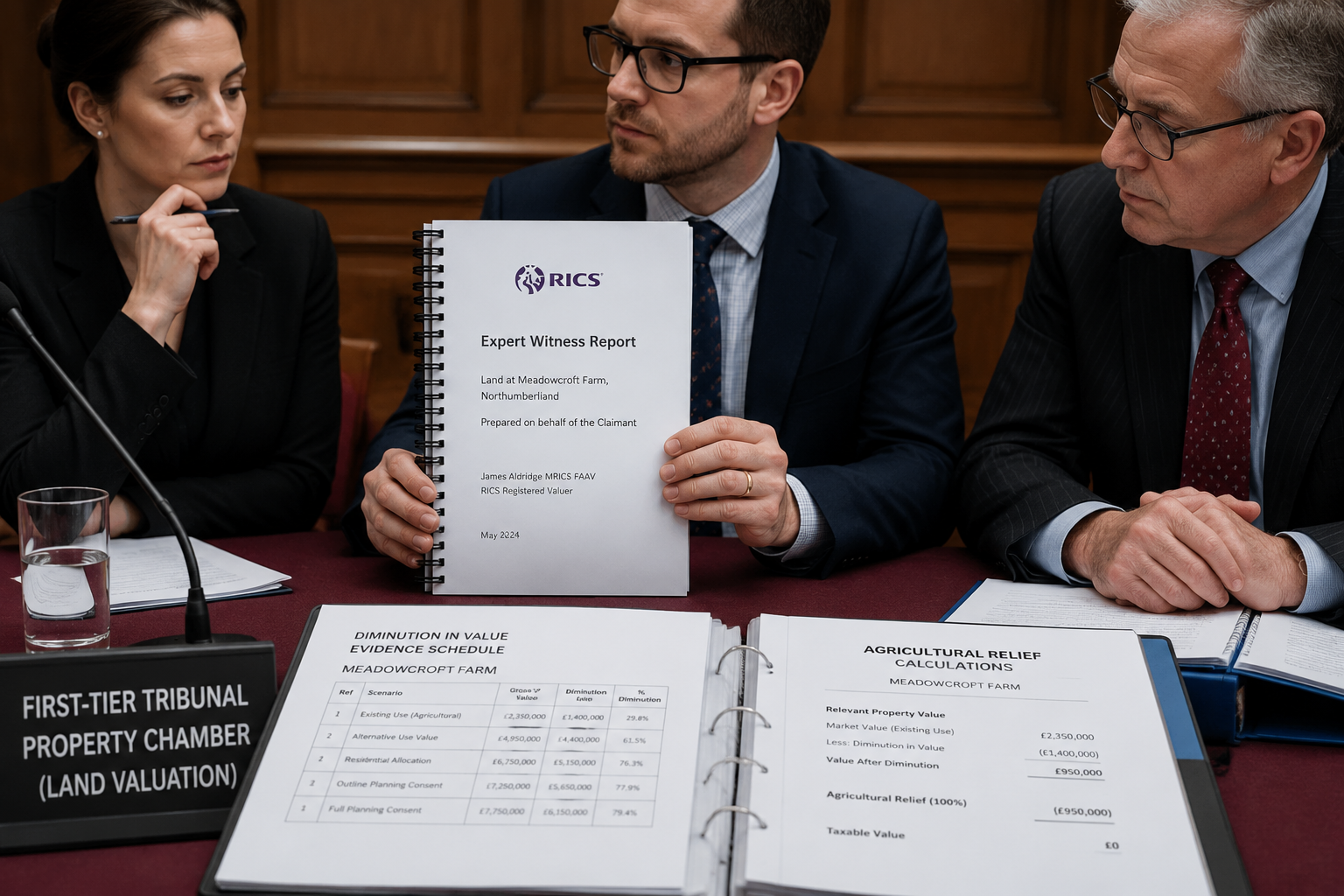
Diminution Evidence
Diminution evidence refers to documented factors that legitimately reduce a property's open market value at the date of death. Common examples include:
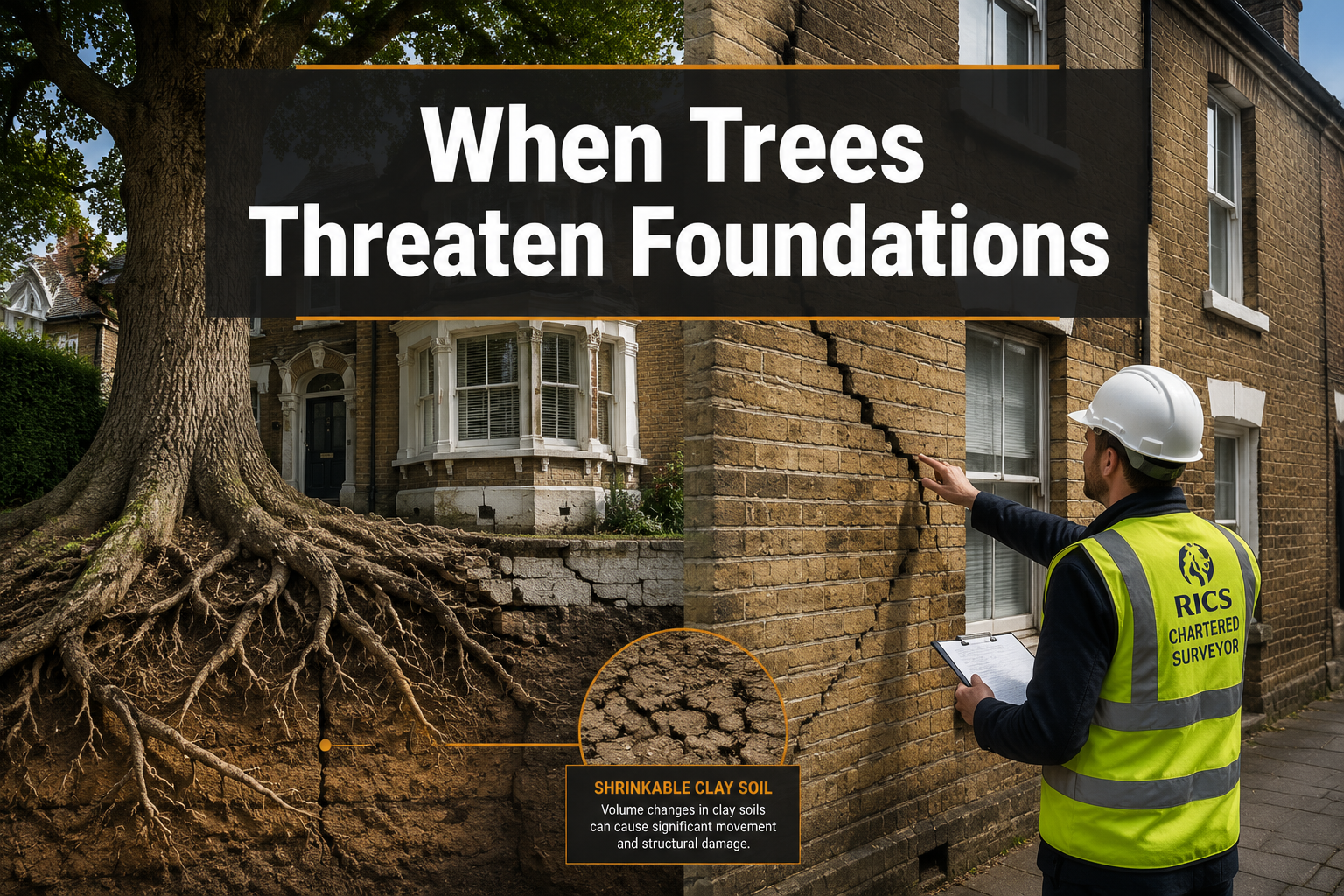
- Structural defects identified in a contemporaneous survey
- Sitting tenants with protected tenancy rights
- Restrictive covenants limiting development or use
- Leasehold complications, including short leases or onerous ground rents
Each diminution factor must be supported by independent evidence — not simply asserted. A structural defect requires a survey report. A leasehold complication requires a lease extension valuation or legal opinion confirming the impact on value. HMRC's DVS is experienced at identifying unsupported diminution claims, and tribunals have consistently rejected valuations that rely on assertion rather than evidence.
Investment and Commercial Property Valuation
Where an estate includes commercial property, the income capitalisation method or discounted cash flow analysis may be appropriate. These approaches require:
- Verified rental income figures
- Market-derived capitalisation rates
- Evidence of comparable investment transactions
Commercial property valuations in probate contexts carry additional complexity because the market for investment assets is thinner and more volatile than residential markets. Engaging a specialist in commercial property surveying ensures the methodology applied is appropriate to the asset class.
Agricultural and Business Assets
The increased APR and BPR thresholds from April 2026 mean that agricultural land and business assets valued near the £2.5 million threshold require particular precision [2]. The valuation must:
- Distinguish between agricultural value and development hope value
- Assess whether assets genuinely qualify for relief under IHTA 1984
- Apply appropriate discount rates for minority shareholdings or partnership interests
A freehold valuation of agricultural land, for example, must clearly separate the bare agricultural value from any uplift attributable to planning potential, since only the former typically qualifies for APR.
Contentious Probate: When Expert Witness Reports Face Tribunal Scrutiny
Contentious probate arises when beneficiaries, HMRC, or other parties dispute the valuation of estate assets. The expert witness in these proceedings occupies a specific legal role: their duty is to the court, not to the instructing party. This distinction is fundamental and is codified in CPR Part 35.
What Tribunals Examine
When a probate valuation expert witness report is challenged, the First-tier Tribunal (Tax Chamber) or the Upper Tribunal will typically examine:
- Qualification and independence of the valuer
- Methodology — whether it is appropriate to the asset type
- Comparables — quality, recency, and relevance
- Diminution evidence — whether it is independently supported
- Reasoning — whether the valuer's conclusions follow logically from the evidence
A report that fails on any of these points is unlikely to be preferred over a well-constructed DVS report. The consequences of a failed challenge include not only the original IHT liability but potentially interest and penalties.
The Role of the Expert Witness Surveyor
An expert witness surveyor operating in probate disputes must produce a report that is simultaneously a professional valuation and a legal document. The report must:
- State the valuer's qualifications and relevant experience
- Confirm understanding of the duty to the court
- Set out the instructions received and the basis of valuation
- Present methodology transparently
- Reach a clear, reasoned conclusion
The format requirements under CPR Part 35 and the associated Practice Direction are not optional. A report that omits the expert's declaration of duty to the court — a common oversight — can be ruled inadmissible.
For practitioners seeking to understand the full scope of expert witness surveying services, the distinction between a standard valuation report and a CPR-compliant expert witness report is significant and should not be underestimated.
Joint Expert Instructions
In some contentious probate cases, the court may direct that a single joint expert (SJE) be appointed rather than allowing each party to instruct their own valuer. This places even greater responsibility on the SJE, whose report will be the primary evidence before the tribunal. The SJE must demonstrate complete impartiality and must respond to written questions from both parties within the timeframes set by the court.
Practical Steps for Executors and Solicitors in 2026
Navigating probate valuation expert witness reports and the 2026 inheritance tax threshold changes requires a structured approach from the outset of the estate administration process.
Step 1: Instruct Early
Valuation evidence gathered close to the date of death is inherently more reliable than retrospective assessments. Instructing a qualified RICS valuer promptly after death reduces the risk of market movement distorting the date-of-death figure and limits the scope for HMRC to argue that the valuation is speculative.
Step 2: Identify All Asset Classes
A comprehensive estate inventory must precede the valuation instruction. This includes:
- Residential property (freehold and leasehold)
- Commercial and investment property
- Agricultural land and farm buildings
- Business interests and shareholdings
- Chattels, art, and collectibles
Each asset class may require a different valuation methodology and potentially a different specialist valuer.
Step 3: Gather Supporting Evidence
Before the valuer inspects the property, executors should compile:
- Title documents and lease agreements
- Any existing surveys or condition reports
- Rental agreements and income schedules
- Planning history and any restrictive covenants
- Recent comparable sales data (as a starting point for the valuer)
Step 4: Review the Report Before Submission
Solicitors should review the valuation report before it is submitted to HMRC. Key checks include:
- Confirmation that the valuation date is the date of death
- Presence of the RICS Red Book compliance statement
- Adequate comparable evidence
- Clear methodology explanation
- Absence of unsupported diminution claims
Step 5: Respond Proactively to HMRC Queries
HMRC's DVS will often raise queries on residential and commercial property valuations above certain thresholds. A proactive response — supported by additional comparable evidence or clarification of methodology — is more effective than a defensive posture. Where a DVS challenge has merit, negotiating a revised figure with supporting evidence is preferable to tribunal proceedings.
The Broader Estate Planning Context
The 2026 IHT threshold changes do not exist in isolation. They are part of a broader shift in the UK's approach to wealth transfer taxation. With thresholds frozen until 2031 [1], reliefs restructured [2], and pension assets entering the IHT net from 2027 [3], the pressure on estates will compound over time. Analysts at TaxSight note that the prolonged freeze, combined with rising property prices, is expected to draw significantly more estates into IHT liability over the coming years [4].
Speculative commentary has also raised the possibility of a future "mansion tax" measure, though no confirmed legislation exists at the time of writing. Practitioners should monitor legislative developments and ensure that estate planning advice accounts for potential future changes as well as confirmed 2026 measures.
For estates involving complex asset structures — including charities, trusts, or assets subject to specific statutory regimes — a Charities Act valuation or specialist trust valuation may also be required alongside the core probate valuation.
Conclusion
The combination of frozen IHT thresholds, restructured agricultural and business reliefs, and rising asset values makes 2026 a defining year for probate valuation practice. Probate valuation expert witness reports navigating 2026 inheritance tax threshold changes must meet a higher standard of evidence, methodology, and legal compliance than many practitioners have previously applied.
Actionable next steps for executors, solicitors, and valuers:
- Instruct a RICS-regulated valuer with demonstrable probate and expert witness experience as early as possible after the date of death.
- Ensure all diminution factors are supported by independent survey or legal evidence, not assertion alone.
- Confirm that any expert witness report complies with CPR Part 35 and includes the mandatory declaration of duty to the court.
- Review the impact of the April 2026 APR and BPR threshold changes on any estate containing agricultural land or business assets.
- Begin planning now for the April 2027 pension inclusion rules, particularly for estates with significant defined contribution pension pots.
A defensible valuation report is not a bureaucratic formality — it is the foundation on which an estate's IHT liability is calculated, challenged, and resolved. In 2026, the cost of getting it wrong has never been higher.
References
[1] Inheritance Tax Nil Rate Band And Residence Nil Rate Band Thresholds From 6 April 2026 To 5 April 2028 – https://www.gov.uk/government/publications/inheritance-tax-nil-rate-band-and-residence-nil-rate-band-thresholds-from-6-april-2026/inheritance-tax-nil-rate-band-and-residence-nil-rate-band-thresholds-from-6-april-2026-to-5-april-2028
[2] Inheritance Tax Reliefs Threshold To Rise To 25m For Farmers And Businesses – https://www.gov.uk/government/news/inheritance-tax-reliefs-threshold-to-rise-to-25m-for-farmers-and-businesses
[3] Inheritance Tax Receipts – https://moneyweek.com/personal-finance/inheritance-tax/inheritance-tax-receipts
[4] Inheritance Tax Threshold 2026 – https://www.taxsight.co.uk/blog/inheritance-tax-threshold-2026
[5] Inheritance Tax Reform – https://kpmg.com/uk/en/insights/tax/inheritance-tax-reform.html