
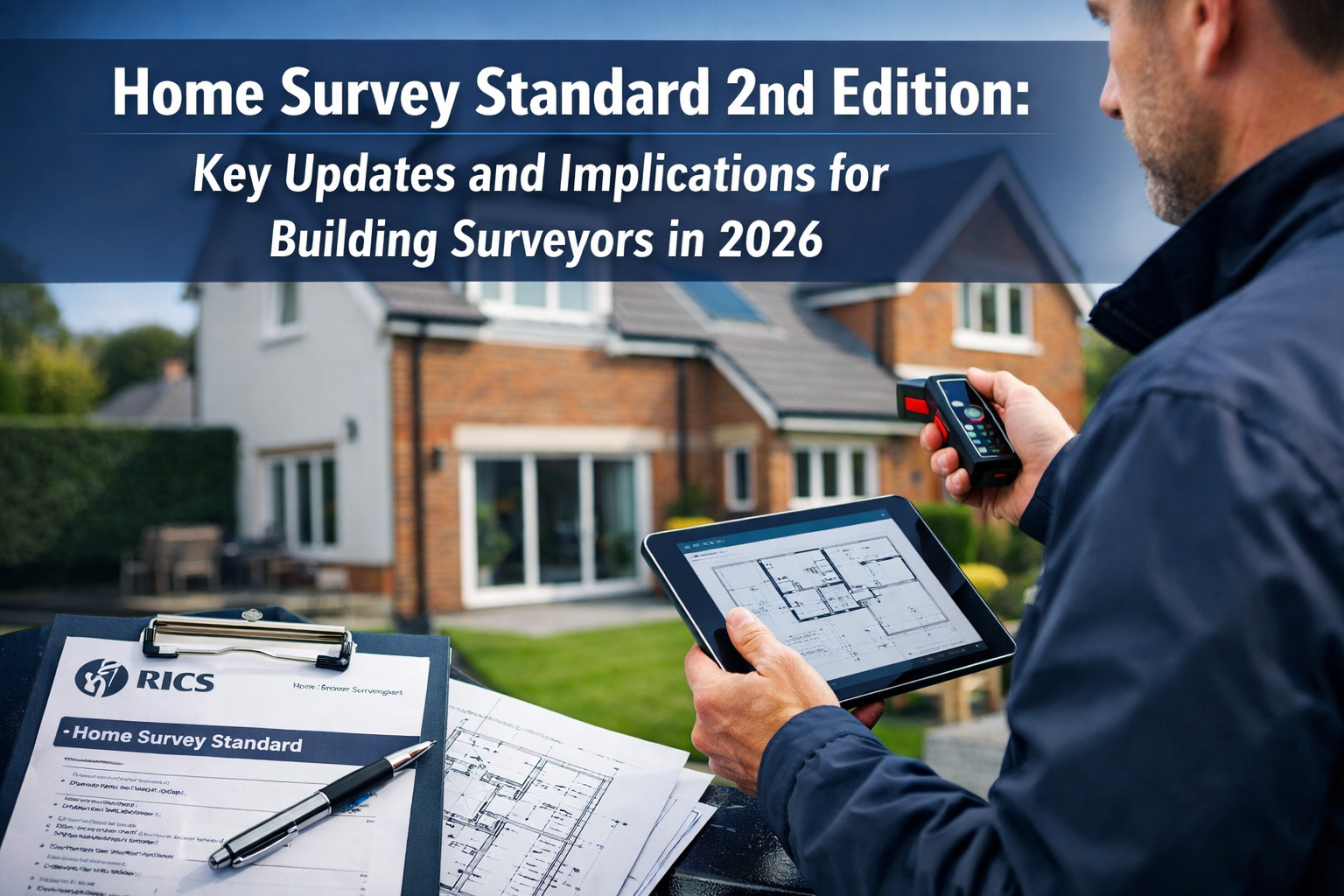
The property surveying landscape in the United Kingdom is undergoing a significant transformation. As building surveyors navigate an increasingly complex market with evolving consumer expectations and technological capabilities, the Home Survey Standard 2nd Edition: Key Updates and Implications for Building Surveyors in 2026 represents a pivotal moment for the profession. The Royal Institution of Chartered Surveyors (RICS) has embarked on an ambitious journey to refine and strengthen the standards that govern residential property surveys, incorporating substantial industry feedback and addressing the changing needs of both practitioners and homeowners.
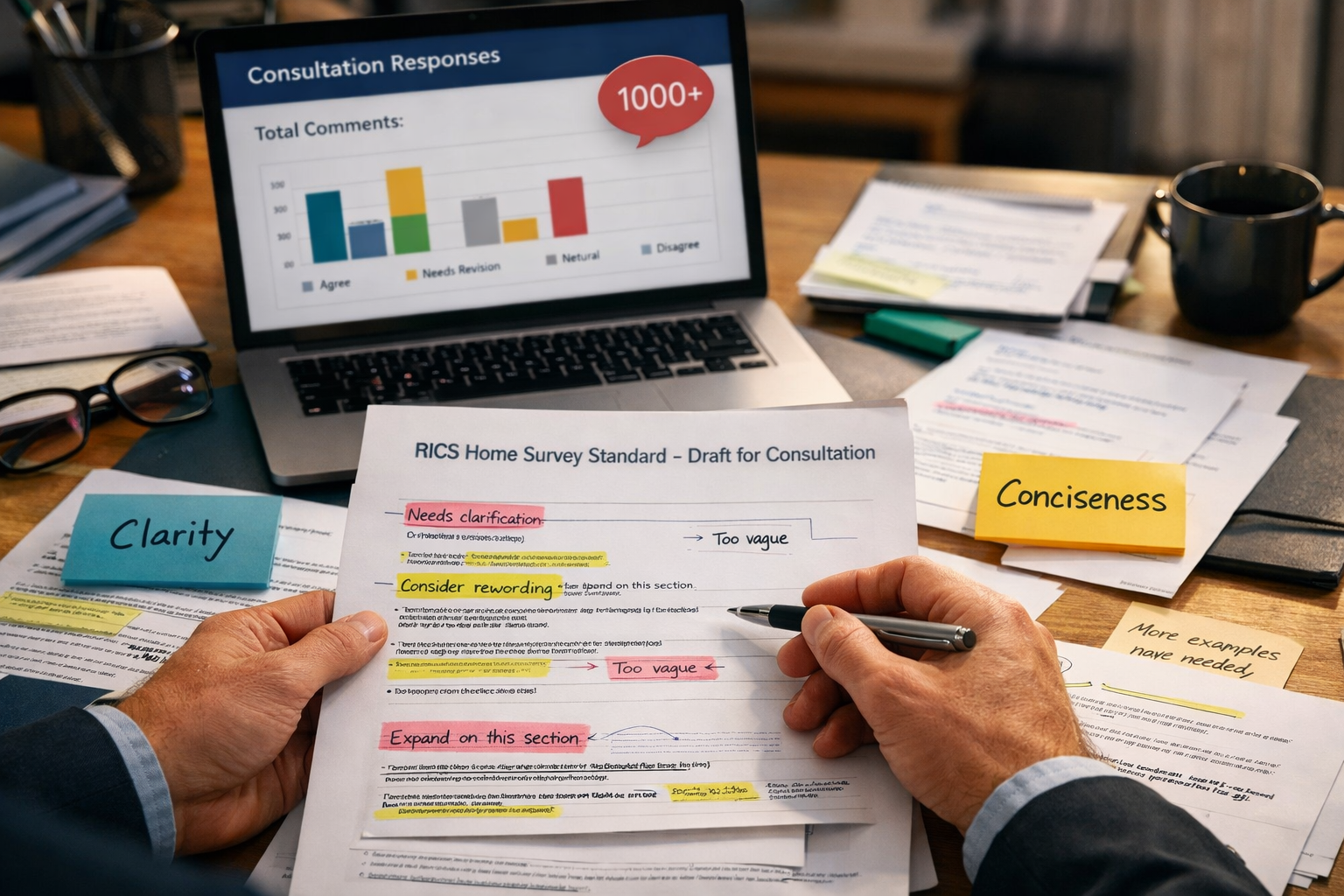
This comprehensive update comes at a critical time when the quality and consistency of RICS home surveys directly impact consumer confidence in the property market. With over 1,000 comments received during the consultation period and extensive pre-consultation research involving hundreds of surveyors and thousands of homeowners, the Home Survey Standard 2nd Edition promises to reshape how building surveyors approach their work in 2026 and beyond.
Key Takeaways
- 📊 Extensive Industry Engagement: Over 1,000 consultation comments from stakeholders, with particular input from small and medium-sized surveying firms, shaped the standard's development
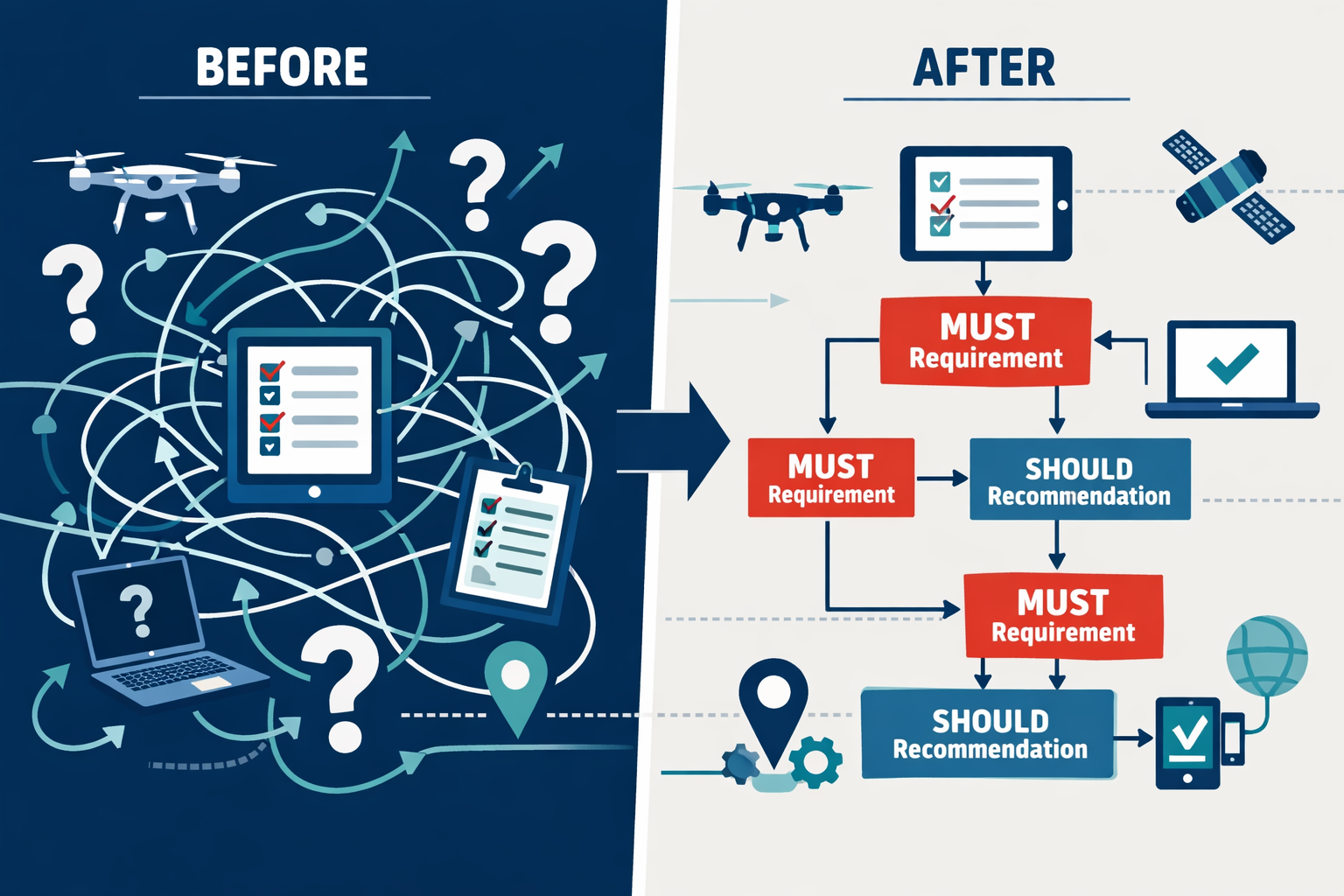
- 🎯 Enhanced Clarity: The updated standard will provide clearer distinctions between mandatory requirements ('musts') and recommended practices ('shoulds') to improve practitioner guidance
- 💻 Technology Integration: The 2nd Edition incorporates technological advances in surveying practices, including digital tools and modern inspection methods
- 📋 Transparency Commitment: A comprehensive Basis for Conclusions document will accompany the final standard, explaining how RICS addressed consultation feedback
- ⏳ Rigorous Approval Process: Multiple review stages involving professional groups and governance committees ensure the standard meets industry needs before publication
Understanding the Home Survey Standard 2nd Edition Development Process
The Consultation Journey
The development of the Home Survey Standard 2nd Edition: Key Updates and Implications for Building Surveyors in 2026 followed a meticulously structured consultation process that demonstrated RICS's commitment to industry collaboration. From August 19 to October 14, 2025, an eight-week public consultation generated unprecedented engagement from the surveying community [1].
The consultation attracted over 1,000 comments from diverse stakeholders, with particularly strong participation from small and medium-sized surveying firms [1]. This level of engagement reflects the standard's significance to practitioners across the spectrum of the profession, from independent surveyors to larger organizations.
Pre-consultation research laid the groundwork for meaningful updates. RICS surveyed:
- 325 RICS members to understand professional experiences and challenges
- Over 1,400 UK homeowners to capture consumer perspectives on survey quality and expectations [1]
This dual approach ensured the standard addresses both practitioner feasibility and consumer needs—a balance critical to the success of any professional standard.
Expert Development and Stakeholder Engagement
The standard's development involved extensive expert input spanning over 70 hours across more than 20 dedicated meetings [1]. RICS presented the draft standard to over 1,600 people at various industry events, including:
- Surventrix conferences
- SAVA (Surveyors and Valuers Accreditation) meetings
- Legal & General industry sessions
- e-Surv training events
- The RICS Residential Property Conference [1]
This broad engagement ensured that feedback represented the full spectrum of surveying practices, from traditional homebuyer surveys to comprehensive Level 3 building surveys.
"The Home Survey Standard 2nd Edition represents a collaborative effort to meet changing consumer needs while incorporating technological advances that are transforming surveying practices." — RICS Standards Development Team
Current Status and Timeline
As of February 16, 2026, RICS confirmed it is actively analyzing consultation responses line by line, carefully considering the meaning and implications of each comment before determining how to respond [1]. This thorough approach prioritizes quality over speed, ensuring the final standard truly reflects industry needs and practical realities.
The approval pathway includes multiple rigorous stages:
- Analysis Phase (Current): Detailed review of all consultation feedback
- Editorial Review: Ensuring clarity and consistency in language and requirements
- Residential Professional Group Panel Review: Expert practitioner evaluation
- Knowledge and Practice Committee Review: Technical and policy assessment
- Standards and Regulation Board Approval: Final governance approval before publication [1]
While no specific publication date has been announced, RICS has committed to updating the Home Survey Standard page once the review process concludes [1].
Key Themes and Updates in the Home Survey Standard 2nd Edition
Clarity and Conciseness: The Primary Feedback Theme
The most consistent feedback throughout the consultation emphasized the need for greater clarity and conciseness in the standard's requirements [1]. Stakeholders across the surveying profession highlighted several specific concerns:
Prescriptiveness Balance: Surveyors questioned how prescriptive the standard should be. Too rigid, and it stifles professional judgment and adaptability; too vague, and it fails to provide adequate guidance for consistent practice.
Competitive Viability: A critical concern emerged around ensuring that surveyors who diligently follow the standard can remain competitively viable in the marketplace [1]. This reflects the practical reality that standards must be both aspirational and achievable within typical fee structures.
Language Precision: Many respondents called for more precise language that eliminates ambiguity about what constitutes compliance versus best practice.
The Home Survey Standard 2nd Edition: Key Updates and Implications for Building Surveyors in 2026 will address these concerns through careful redrafting that balances comprehensive guidance with practical flexibility.
Mandatory Versus Recommended Requirements
One of the most significant improvements in the 2nd Edition involves clearer distinctions between mandatory requirements and recommended practices [1]. This refinement addresses a common challenge surveyors face when interpreting professional standards.
The updated standard will employ a clearer framework:
| Requirement Type | Language Used | Implication | Example Application |
|---|---|---|---|
| Mandatory | "Must" | Non-compliance constitutes a breach of standards | Must inspect all accessible areas of the property |
| Recommended | "Should" | Best practice guidance; deviation acceptable with justification | Should use thermal imaging for suspected insulation issues |
| Optional | "May" or "Could" | Additional services or approaches at surveyor's discretion | May offer drone surveys for roof inspection |
This clarity helps surveyors understand precisely where they have professional discretion and where strict compliance is required. It also provides clearer benchmarks for quality assurance reviews and professional indemnity considerations.
For practitioners conducting specialist defect surveys, this distinction becomes particularly important when determining the scope and depth of investigation required.
Technology Integration and Modern Surveying Practices
The Home Survey Standard 2nd Edition recognizes that surveying technology has advanced significantly since the first edition. The updated standard aims to incorporate technological advances while maintaining the fundamental principles of thorough property inspection [1].
Technological considerations likely to be addressed include:
- 📱 Digital Reporting Tools: Standards for electronic survey reports, including formatting, accessibility, and data security
- 🚁 Drone Technology: Guidance on when and how aerial inspection technology can supplement traditional methods
- 🌡️ Thermal Imaging: Standards for using infrared technology to identify insulation defects, moisture ingress, and heating system issues
- 📊 Moisture Detection Equipment: Requirements for electronic moisture meters and interpretation of readings
- 💻 Digital Documentation: Standards for photographic evidence, including image quality, annotation, and integration with reports
The integration of technology doesn't diminish the importance of traditional surveying skills. Rather, it enhances the surveyor's ability to provide comprehensive, accurate assessments. For structural surveys, technology serves as a powerful complement to visual inspection and professional judgment.
Consumer Needs and Market Alignment
The standard update explicitly aims to meet changing consumer needs [1]. Pre-consultation research with over 1,400 homeowners revealed evolving expectations around:
Report Accessibility: Consumers increasingly expect reports that are:
- Easy to understand with clear summaries
- Accessible on multiple devices
- Supplemented with photographs and diagrams
- Prioritized by urgency and cost implications
Transparency: Homeowners want clarity about:
- What was and wasn't inspected
- Limitations of the survey
- Recommended follow-up investigations
- Estimated costs for identified defects
Timeliness: In a fast-moving property market, survey turnaround times significantly impact consumer satisfaction and transaction timelines.
The updated standard balances these consumer expectations with the professional rigor required for thorough property assessment. This alignment helps ensure that RICS building surveys continue to provide value that justifies their cost in the eyes of property buyers.
Implications for Building Surveyors in 2026
Practical Impact on Survey Delivery
The Home Survey Standard 2nd Edition: Key Updates and Implications for Building Surveyors in 2026 will have tangible effects on how surveyors conduct their daily work. Understanding these implications helps practitioners prepare for the transition.
Inspection Protocols: Enhanced clarity around mandatory inspection requirements may necessitate adjustments to:
- Time allocation for different property types
- Equipment requirements for standard surveys
- Documentation standards during site visits
- Safety protocols and risk assessments
Report Structure: Clearer guidance on report content and format may require:
- Template updates to align with new requirements
- Enhanced photographic documentation
- More detailed limitation clauses
- Clearer prioritization of defects by severity
Quality Assurance: Firms will need to review their quality assurance processes to ensure compliance with the refined standard, particularly around the distinction between mandatory and recommended practices.
For surveyors operating across different regions, from chartered surveyors in Surrey to chartered surveyors in Essex, consistent application of the updated standard will be essential.
Training and Professional Development Needs
The introduction of the 2nd Edition creates immediate training requirements for the profession. Surveyors will need to:
✅ Understand New Requirements: Comprehensive training on what has changed and why
✅ Update Procedures: Revise internal processes, checklists, and templates to align with new standards
✅ Technology Competence: Develop or enhance skills in approved technological tools and methods
✅ Report Writing: Adapt report writing to meet new clarity and structure requirements
✅ Client Communication: Update client engagement processes to explain survey scope and limitations consistent with the new standard
Professional development providers will play a crucial role in facilitating this transition. RICS and other training organizations will likely offer specific courses on implementing the 2nd Edition requirements.
Competitive Considerations and Market Positioning
One of the consultation's key concerns—ensuring competitive viability for compliant surveyors [1]—highlights a fundamental challenge. Surveyors who thoroughly follow the standard must be able to compete on price and turnaround time with those who may cut corners.
Market differentiation strategies for compliant surveyors include:
🎯 Quality Positioning: Emphasizing the comprehensive nature and reliability of surveys conducted to the full standard
🎯 Risk Mitigation: Highlighting how thorough surveys reduce transaction risks and potential future costs for buyers
🎯 Professional Indemnity: Demonstrating that compliance with RICS standards provides better protection for all parties
🎯 Technology Investment: Using modern tools to improve efficiency without compromising thoroughness
🎯 Client Education: Helping consumers understand the value difference between basic and comprehensive surveys
For practices offering commercial building surveys alongside residential work, maintaining consistent quality standards across service lines becomes increasingly important.
Professional Indemnity and Risk Management
The updated standard has significant implications for professional indemnity insurance and risk management. Clearer mandatory requirements provide:
Benefits for Surveyors:
- More definitive benchmarks for what constitutes acceptable practice
- Clearer defense against negligence claims when standards are followed
- Better guidance for risk assessment and limitation clauses
Considerations for Insurers:
- Updated assessment criteria for surveyor competence
- Potentially revised premium structures based on compliance
- Clearer frameworks for evaluating claims
Surveyors should proactively engage with their professional indemnity insurers to understand how the 2nd Edition affects their coverage and any additional requirements insurers may impose.
Small and Medium-Sized Firm Considerations
The consultation saw particular engagement from small and medium-sized surveying firms [1], reflecting their significant stake in how the standard affects day-to-day practice. These firms face unique challenges:
Resource Constraints: Smaller practices may have limited resources for:
- Technology investments required by new standards
- Training and professional development
- Administrative updates to templates and processes
Flexibility Advantages: However, smaller firms often have advantages in:
- Rapid implementation of changes
- Direct client relationships that facilitate clear communication
- Specialized local market knowledge
Collaborative Opportunities: The standard's development process demonstrated the value of collective engagement. Small and medium firms can benefit from:
- Industry association membership for shared resources
- Peer networks for best practice sharing
- Collaborative training opportunities
Whether operating as chartered surveyors in North London or chartered surveyors in West London, smaller practices can leverage their agility to adapt quickly to the new requirements.
Transparency and Accountability: The Basis for Conclusions
Understanding the Basis for Conclusions Document
A particularly significant innovation in the 2nd Edition's development is the commitment to include a comprehensive Basis for Conclusions document [1]. This document will provide unprecedented transparency into the standard-setting process.
The Basis for Conclusions will include:
📄 Summary of Consultation Responses: Categorized feedback from the consultation period
📄 RICS's Analysis: How the standards development team evaluated different perspectives
📄 Decision Rationale: Explanations for why certain changes were made or not made
📄 Alternative Approaches Considered: Transparency about options that were evaluated but not adopted
📄 Implementation Considerations: Practical factors that influenced final requirements
This level of transparency serves multiple purposes. It demonstrates RICS's accountability to the profession, provides context that helps surveyors understand and apply the standard, and creates a record that can inform future updates.
Building Trust Through Transparency
The Basis for Conclusions document represents a commitment to building trust between the regulatory body and practitioners. By explaining the reasoning behind requirements, RICS helps surveyors move beyond simple compliance to genuine understanding.
This transparency is particularly valuable when requirements may seem onerous or costly to implement. Understanding the consumer protection rationale or risk mitigation benefits behind a requirement helps surveyors embrace rather than resist the standard.
For consumers, the transparency reinforces confidence that the standards governing their property surveys are developed through rigorous, evidence-based processes with meaningful industry input.
Preparing for Implementation: Practical Steps for Surveyors
Immediate Actions for Surveying Practices
While the final standard awaits publication, surveyors can take proactive steps to prepare for implementation:
1. Review Current Practices 📋
- Audit existing survey procedures against known consultation themes
- Identify areas where clarity between mandatory and recommended practices is currently unclear
- Assess current technology use and potential gaps
2. Engage with Professional Networks 🤝
- Participate in RICS webinars and training sessions as they become available
- Join peer discussion groups to share implementation strategies
- Attend industry conferences where the standard will be discussed
3. Assess Technology Needs 💻
- Evaluate current equipment and software against likely requirements
- Research technology solutions that enhance survey quality and efficiency
- Budget for necessary investments in tools and training
4. Update Quality Assurance Systems ✅
- Review internal quality control processes
- Develop implementation checklists for when the standard is published
- Establish monitoring systems to ensure ongoing compliance
5. Communicate with Stakeholders 📢
- Inform clients about upcoming changes and potential impacts
- Engage with professional indemnity insurers about coverage implications
- Update marketing materials to reflect commitment to the updated standard
For practices offering specialized services like damp surveys or structural engineering surveys, ensuring alignment across all service lines will be essential.
Long-Term Strategic Considerations
Beyond immediate implementation, the Home Survey Standard 2nd Edition should inform longer-term strategic planning:
Service Offering Evolution: Consider how enhanced standards might create opportunities for:
- Premium survey products that exceed minimum requirements
- Specialized surveys for specific property types or issues
- Technology-enhanced services that provide additional value
Market Positioning: Use compliance with the updated standard as a competitive differentiator through:
- Marketing that emphasizes quality and thoroughness
- Client education about the value of comprehensive surveys
- Testimonials and case studies demonstrating survey quality
Continuous Improvement: Establish systems for:
- Regular review of survey quality against the standard
- Ongoing professional development for all surveyors
- Feedback collection from clients to identify improvement opportunities
Technology Roadmap: Develop a multi-year plan for:
- Incremental technology adoption aligned with standard requirements
- Staff training on new tools and methods
- Integration of technology into standard workflows
The Broader Context: RICS Quality Strengthening Initiatives
Beyond the Home Survey Standard
The Home Survey Standard 2nd Edition doesn't exist in isolation. It forms part of broader RICS quality strengthening initiatives that are reshaping professional standards across the surveying profession [5].
These initiatives reflect RICS's response to:
- Evolving consumer expectations in a digital age
- Increased regulatory scrutiny of professional standards
- Technological disruption across the property sector
- Market pressures requiring greater transparency and accountability
Understanding this broader context helps surveyors appreciate how the Home Survey Standard fits within a comprehensive approach to professional excellence.
Cross-Standard Consistency
As RICS updates various standards, consistency across standards becomes increasingly important. Surveyors often work across multiple service lines, and conflicting requirements between standards create confusion and inefficiency.
The Home Survey Standard 2nd Edition's development process, with its emphasis on clarity and distinction between mandatory and recommended practices, may serve as a template for other standard updates.
For surveyors offering diverse services—from schedule of condition reports to dilapidation surveys—this consistency simplifies compliance and quality assurance.
International Perspectives
While the Home Survey Standard is UK-specific, international developments in surveying standards provide useful context. For example, the 2026 ALTA/NSPS Land Title Survey Standards in the United States underwent similar updates focused on clarity, technology integration, and stakeholder engagement [2][3][4].
Common themes across international standard updates include:
- Greater precision in language and requirements
- Integration of modern technology
- Enhanced transparency in development processes
- Balance between prescriptiveness and professional judgment
These parallels suggest that the challenges RICS addresses in the Home Survey Standard 2nd Edition reflect global trends in professional standards development.
Conclusion: Embracing Change for Professional Excellence
The Home Survey Standard 2nd Edition: Key Updates and Implications for Building Surveyors in 2026 represents a pivotal moment for the UK residential surveying profession. Through extensive consultation, rigorous analysis, and a commitment to transparency, RICS is developing a standard that balances consumer protection, professional judgment, and practical feasibility.
The key updates—enhanced clarity between mandatory and recommended practices, integration of modern technology, and alignment with evolving consumer needs—position the profession to deliver higher quality, more consistent surveys in an increasingly complex property market. The inclusion of a comprehensive Basis for Conclusions document demonstrates a commitment to transparency that builds trust between regulators and practitioners.
For building surveyors, the 2nd Edition brings both challenges and opportunities. Implementation will require investment in training, technology, and process updates. However, it also creates opportunities for market differentiation, enhanced professional credibility, and improved risk management. Surveyors who embrace the updated standard and position themselves as quality leaders will be best positioned to thrive in the evolving market.
Next Steps for Surveyors
Immediate Actions:
- ✅ Monitor the RICS Home Survey Standard page for publication announcements
- ✅ Participate in RICS training sessions when available
- ✅ Conduct internal audits of current practices against known consultation themes
- ✅ Engage with professional indemnity insurers about implications
- ✅ Budget for necessary technology and training investments
Ongoing Commitment:
- Maintain active engagement with professional networks and industry developments
- Establish quality assurance systems that ensure consistent compliance
- Invest in continuous professional development for all team members
- Communicate proactively with clients about survey quality and value
- Contribute to future standard development through consultation participation
The Home Survey Standard 2nd Edition isn't simply a regulatory requirement—it's an opportunity to elevate the entire profession. By embracing these changes and committing to the highest standards of practice, building surveyors can strengthen consumer confidence, reduce transaction risks, and demonstrate the enduring value of professional property surveys in the modern market.
Whether you're a chartered surveyor in London or operating in regional markets, the updated standard will shape your practice for years to come. The time to prepare is now.
References
[1] Home Survey Standard 2nd Edition A Progress Update – https://www.rics.org/news-insights/home-survey-standard-2nd-edition-a-progress-update
[2] Five Key Updates 2026 Altansps Land Title Survey Standards – https://westwoodps.com/recent-blog-posts/five-key-updates-2026-altansps-land-title-survey-standards
[3] Alta Nsps Key Changes And Updates In The 2026 Standards – https://www.beneschlaw.com/insight/alta-nsps-key-changes-and-updates-in-the-2026-standards/
[4] The 2026 Minimum Standard Detail Requirements For Alta Nsps Land Title Surveys – https://amerisurv.com/2026/02/01/the-2026-minimum-standard-detail-requirements-for-alta-nsps-land-title-surveys/
[5] Building Survey Standards Evolution How Rics Quality Strengthening Initiatives Impact Surveyor Practice In 2026 – https://nottinghillsurveyors.com/blog/building-survey-standards-evolution-how-rics-quality-strengthening-initiatives-impact-surveyor-practice-in-2026