

The property market is roaring back to life in 2026, but there's a critical problem: not enough surveyors to meet the demand. As mortgage lending volumes surge and property transactions accelerate following years of market uncertainty, surveying firms across the UK face an acute staffing crisis that threatens to bottleneck the entire real estate sector. The Surveyor Talent Pipeline Crisis: Recruiting and Retaining Professionals Amid 2026 Demand Surge has emerged as one of the most pressing challenges facing the industry today.
With experienced professionals retiring faster than new graduates can replace them, and competing industries luring away qualified candidates with attractive packages, surveying practices must urgently rethink their workforce strategies. This isn't just about filling vacancies—it's about building sustainable talent pipelines that can weather market cycles while maintaining service quality and preventing professional burnout.
Key Takeaways
- 📊 Demand is outpacing supply: Survey requests have surged 40% in early 2026, but many firms report operating at reduced capacity due to staffing shortages
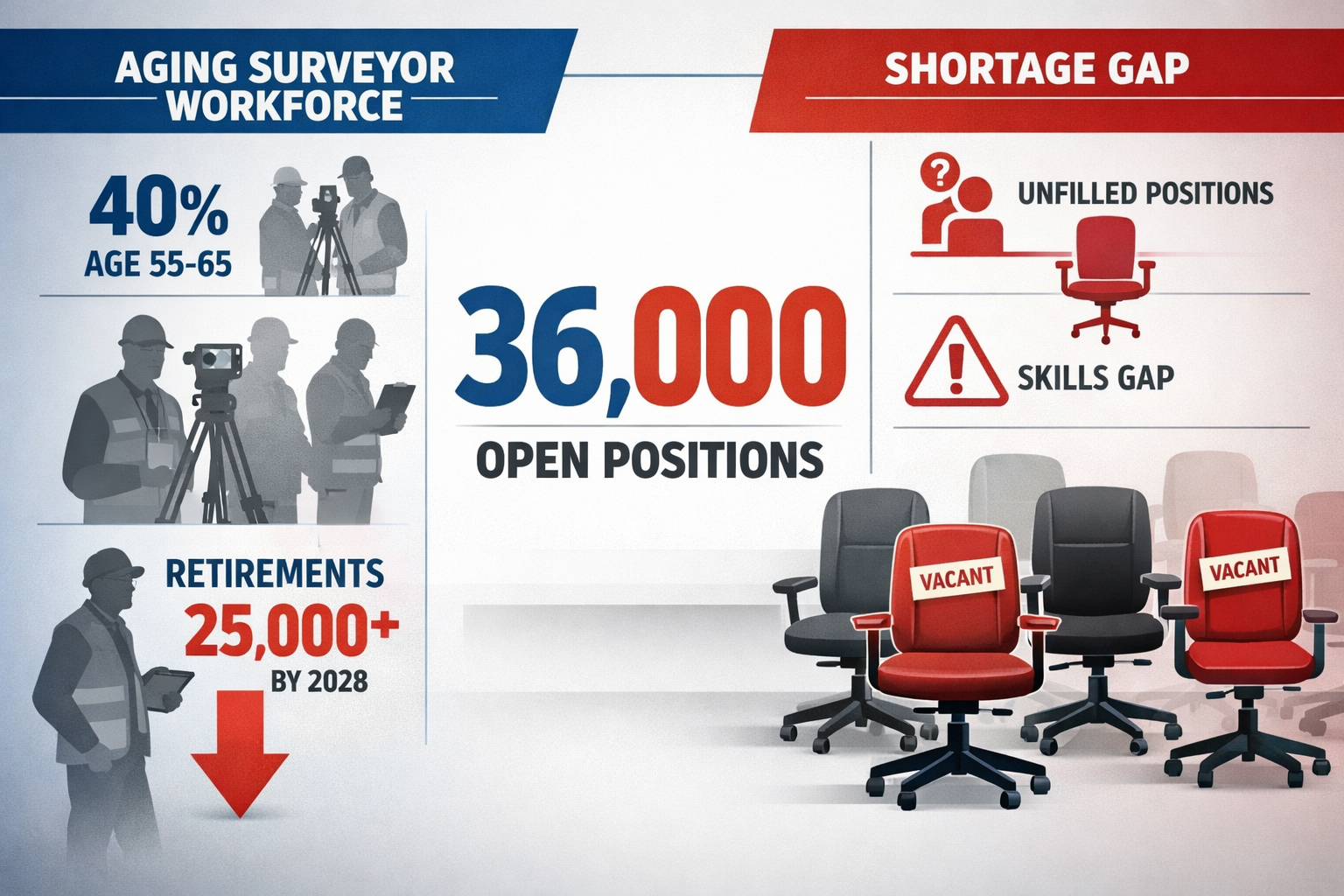
- 👴 Aging workforce crisis: Nearly 35% of chartered surveyors are approaching retirement age within the next 5-7 years, creating a knowledge transfer emergency
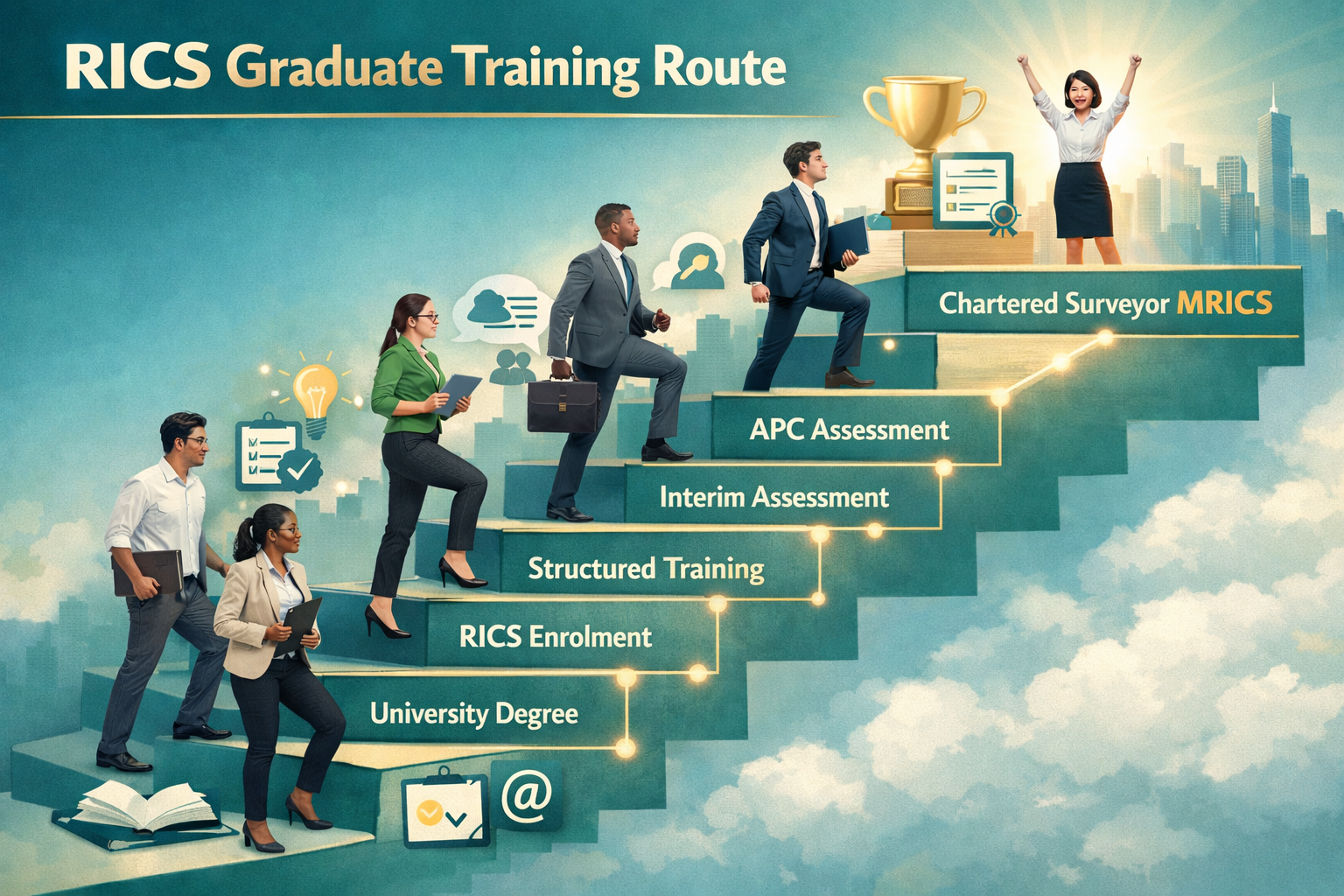
- 🎓 Graduate pipeline gaps: RICS-accredited training routes take 3-5 years to produce qualified professionals, making immediate relief impossible
- 💼 Retention challenges: Competitive pressure from construction, property development, and tech sectors is driving turnover rates above 20% in some markets
- 🚀 Strategic interventions work: Firms implementing structured mentorship, flexible working, and clear progression pathways report 60% better retention rates
Understanding the Surveyor Talent Pipeline Crisis in 2026
The Perfect Storm of Supply and Demand
The surveying profession faces a confluence of challenges that have created what industry leaders are calling a "perfect storm." Research across multiple sectors shows that 90% of companies missed their hiring goals in recent years [2], and the surveying industry has been hit particularly hard by these broader talent acquisition challenges.
The demand side tells a compelling story. Property transactions have rebounded sharply in 2026 as:
- Mortgage rates stabilized after years of volatility
- First-time buyers returned to the market with renewed confidence
- Commercial property investments accelerated following economic recovery
- Infrastructure projects ramped up requiring extensive surveying work
Meanwhile, the supply of qualified surveyors has contracted. Similar workforce crises in related industries provide sobering context—the mining and metals sector, which shares similar technical skill requirements, faces 221,000 retirements by 2029 and 36,000 open job vacancies as of April 2023 [1].
Demographics: The Retirement Wave Nobody Planned For
The surveying profession's demographic profile reveals a ticking time bomb. A significant proportion of chartered surveyors qualified in the 1980s and 1990s boom years, and these professionals are now reaching retirement age simultaneously. This creates multiple problems:
| Challenge | Impact | Timeline |
|---|---|---|
| Knowledge loss | Decades of practical experience walking out the door | 2026-2031 |
| Client relationship disruption | Long-standing client contacts retiring | Immediate |
| Mentorship gap | Fewer experienced professionals to train graduates | Already critical |
| Quality concerns | Junior staff handling complex cases prematurely | Ongoing risk |
The situation mirrors broader talent pipeline concerns identified by Korn Ferry, which found that leadership pipeline development has become a critical priority as organizations face succession planning challenges [3].
Why Young Talent Isn't Choosing Surveying
The Surveyor Talent Pipeline Crisis: Recruiting and Retaining Professionals Amid 2026 Demand Surge isn't just about retirements—it's about attraction failures. University career fairs reveal a troubling trend: surveying struggles to compete with sexier alternatives.
Factors deterring graduates include:
- 💰 Perceived lower starting salaries compared to software engineering or financial services
- 🎯 Poor industry visibility among school-age students considering career paths
- ⏰ Long qualification period with 3-5 years of structured training post-degree
- 📱 "Old-fashioned" image despite modern technology integration
- 🏢 Limited understanding of diverse career paths within surveying
According to ManpowerGroup's survey of 39,000+ employers across 41 countries, talent shortages are intensifying across technical professions [4], with surveying particularly vulnerable due to its specialized knowledge requirements and relatively small talent pool.
For firms seeking to maintain service quality during this crisis, working with established local chartered surveyors who have developed strong talent development programs becomes increasingly valuable.
Recruiting Strategies for the Surveyor Talent Pipeline Crisis
Rebuilding the Graduate Pipeline
Addressing the Surveyor Talent Pipeline Crisis: Recruiting and Retaining Professionals Amid 2026 Demand Surge requires a fundamental rethinking of graduate recruitment. Forward-thinking firms are implementing multi-year strategies:
🎓 University Partnership Programs
- Sponsor surveying courses and provide guest lecturers
- Offer summer internships to second-year students
- Fund scholarships for promising candidates from underrepresented backgrounds
- Create "surveyor for a day" shadowing opportunities
📚 RICS Pathway Support
- Structure clear APC (Assessment of Professional Competence) training programs
- Assign dedicated counselors and supervisors
- Provide study leave and exam fee coverage
- Celebrate qualification milestones publicly
🌟 Apprenticeship Routes
- Develop degree apprenticeship partnerships with universities
- Create earn-while-you-learn pathways for school leavers
- Offer technical apprenticeships for survey assistants
- Build progression routes from apprentice to chartered status
The reality is stark: firms that don't invest in graduate development today will face critical shortages in 2029-2030 when current mid-career professionals begin retiring in larger numbers.
Lateral Hiring: Competing for Experienced Professionals
With limited graduate supply, firms must compete fiercely for experienced surveyors. This requires sophisticated approaches that go beyond simple salary increases:
💼 Compelling Value Propositions
- Work-life balance: Flexible hours, remote working options, compressed weeks
- Technology investment: Modern equipment, digital survey tools, AI-assisted reporting
- Professional development: CPD funding, conference attendance, specialist training
- Career progression: Clear pathways to partnership or senior technical roles
- Interesting work: Diverse project portfolio rather than repetitive residential surveys
🎯 Targeted Recruitment Channels
- RICS job boards and professional networks
- LinkedIn headhunting with personalized approaches
- Industry conference networking
- Referral programs with substantial bonuses
- Recruitment firms specializing in surveying professionals
Firms offering specialized services like homebuyer surveys or structural surveys need professionals with specific expertise, making targeted recruitment even more critical.
Alternative Talent Pools: Thinking Outside the Box
Innovative firms are exploring non-traditional talent sources to address immediate capacity constraints:
🔄 Career Changers
- Engineers seeking more client-facing roles
- Construction professionals wanting to reduce site work
- Estate agents seeking professional qualification
- Retired surveyors willing to return part-time
🌍 International Recruitment
- RICS-qualified professionals from Commonwealth countries
- European surveyors with transferable qualifications
- Visa sponsorship for exceptional candidates
- Remote working arrangements for overseas talent
⚡ Adjacent Professionals
- Building inspectors with relevant experience
- Architectural technologists
- Quantity surveyors transitioning to building surveying
- Environmental consultants expanding into property assessment
Technology as a Force Multiplier
While technology cannot replace qualified surveyors, it can significantly increase productivity and make firms more attractive to tech-savvy candidates:
- 🚁 Drone surveys reduce time on-site and improve safety
- 📱 Digital reporting tools streamline report production
- 🤖 AI-assisted defect identification speeds up analysis
- ☁️ Cloud-based systems enable flexible working
- 📊 Automated scheduling optimizes surveyor utilization
Firms offering services like drone surveys demonstrate technological sophistication that appeals to younger professionals while improving operational efficiency.
Retention Strategies Amid the 2026 Demand Surge

Preventing Burnout During Peak Demand
The 2026 demand surge creates a dangerous paradox: firms need to maximize output from limited staff while avoiding burnout that drives further attrition. Retention must be the top priority because replacing a qualified surveyor costs 150-200% of their annual salary when considering recruitment, training, and lost productivity.
⚠️ Warning Signs of Burnout:
- Consistently working 50+ hour weeks
- Declining report quality or increased errors
- Reduced client interaction quality
- Increased sick leave or Monday absences
- Expressions of frustration about workload
🛡️ Proactive Burnout Prevention:
Workload Management
- Implement strict maximum survey limits per surveyor per week
- Build buffer time for complex cases requiring extra attention
- Rotate challenging assignments to prevent fatigue
- Use administrative support to handle non-technical tasks
Recovery Time
- Mandatory lunch breaks away from desk
- Encourage full use of annual leave entitlement
- Implement "no-meeting Fridays" for focused work
- Consider sabbatical options for long-serving staff
Mental Health Support
- Provide access to confidential counseling services
- Train managers to recognize stress indicators
- Create peer support networks
- Normalize conversations about workload concerns
Firms providing specialized services like damp surveys or specific defect reports often face particularly complex cases that require careful workload management to prevent surveyor fatigue.
Career Development and Progression
The Surveyor Talent Pipeline Crisis: Recruiting and Retaining Professionals Amid 2026 Demand Surge has made career development a competitive differentiator. Professionals want to see clear pathways forward, not just lateral movement between firms.
📈 Structured Career Frameworks:
Technical Progression Route
- Junior Surveyor → Surveyor → Senior Surveyor → Principal Surveyor → Technical Director
- Specialization opportunities (heritage buildings, commercial, residential)
- Recognition as subject matter expert
- Conference speaking and publication opportunities
Management Progression Route
- Team Leader → Department Manager → Regional Manager → Operations Director
- Business development responsibilities
- Client relationship management
- Strategic planning involvement
Partnership Track
- Clear criteria for partnership consideration
- Transparent financial arrangements
- Mentorship from existing partners
- Gradual responsibility increase
🎓 Continuous Professional Development:
- Annual CPD allowance (£2,000-5,000)
- Time off for courses and conferences
- Support for additional RICS specializations
- Funding for complementary qualifications (project management, building pathology)
Compensation and Benefits Beyond Salary
While competitive base salaries are essential, total compensation packages differentiate employers in tight talent markets:
💰 Financial Incentives:
- Performance bonuses: Tied to individual and firm performance
- Profit sharing: Give staff stake in company success
- Retention bonuses: Paid after 3-5 year milestones
- Survey completion bonuses: Reward productivity without compromising quality
- Referral bonuses: £2,000-5,000 for successful candidate referrals
🎁 Lifestyle Benefits:
- Flexible working: Hybrid arrangements, core hours only
- Enhanced pension: Employer contributions above industry standard
- Private healthcare: Including dental and optical
- Company vehicles: Or car allowance for senior staff
- Technology allowance: Latest smartphones, tablets, laptops
- Professional subscriptions: RICS fees, journal subscriptions
👨👩👧👦 Family-Friendly Policies:
- Enhanced parental leave
- Phased return-to-work programs
- Emergency dependent care support
- School holiday flexibility
Building a Positive Workplace Culture
Culture has emerged as a critical retention factor, particularly for younger professionals who prioritize workplace environment alongside compensation. Research shows that organizational culture significantly impacts talent retention [6].
🌟 Cultural Elements That Retain Talent:
Recognition and Appreciation
- Regular acknowledgment of quality work
- "Surveyor of the Month" programs
- Client feedback sharing
- Annual awards ceremonies
Collaboration and Support
- Regular technical discussion forums
- Peer review systems for complex cases
- Shared learning from challenging surveys
- Cross-training opportunities
Autonomy and Trust
- Freedom to manage own schedules
- Trust in professional judgment
- Minimal micromanagement
- Empowerment to make client decisions
Social Connection
- Team building activities
- Social events (not just alcohol-focused)
- Charity involvement
- Sports teams or interest groups
Firms offering comprehensive services across different types of surveys benefit from creating internal communities of practice where specialists can share knowledge and support each other.
Knowledge Transfer and Mentorship
With experienced surveyors retiring, structured knowledge transfer becomes mission-critical. Tacit knowledge—the intuition developed over decades of practice—cannot be captured in manuals alone.
🤝 Effective Mentorship Programs:
Formal Pairing
- Assign each graduate to experienced mentor
- Regular scheduled meetings (weekly or fortnightly)
- Joint surveys for hands-on learning
- Structured competency development tracking
Knowledge Capture
- Video recording of complex survey explanations
- Case study documentation of unusual defects
- "Lessons learned" databases
- Technical bulletins on emerging issues
Reverse Mentoring
- Younger staff teach technology skills to senior surveyors
- Creates mutual respect and learning culture
- Bridges generational gaps
- Improves technology adoption
Succession Planning
- Identify critical roles and potential successors
- Create development plans for high-potential staff
- Gradual responsibility transfer before retirements
- Maintain client relationships through transitions
Understanding the nuances between Level 2 and Level 3 surveys, for example, requires experienced judgment that mentorship effectively transfers.
Strategic Workforce Planning for Sustained Growth
Building Organizational Resilience
The Surveyor Talent Pipeline Crisis: Recruiting and Retaining Professionals Amid 2026 Demand Surge demands strategic workforce planning that extends beyond immediate firefighting. Resilient organizations build capacity that can flex with market cycles.
📊 Workforce Planning Framework:
Demand Forecasting
- Analyze historical survey volumes by property type and season
- Monitor leading indicators (mortgage approvals, property listings)
- Build relationships with estate agents for pipeline visibility
- Create scenario plans for different market conditions
Capacity Modeling
- Calculate realistic surveys per surveyor per week
- Account for report writing, travel, and administrative time
- Build contingency capacity (10-15% buffer)
- Identify bottlenecks in current processes
Flexible Capacity Options
- Maintain relationships with associate surveyors for peak periods
- Develop partnerships with other firms for overflow work
- Consider acquisition of smaller practices for talent and capacity
- Build technology infrastructure to enable scalability
Regional Considerations and Market Variations
Talent challenges vary significantly by geography. Urban markets like London face different dynamics than regional markets:
🏙️ Urban Markets:
- Higher salary expectations
- More competitive talent landscape
- Better public transport enables wider recruitment radius
- Greater diversity of survey types and specializations
🌳 Regional Markets:
- Smaller talent pools
- Lower cost of living enables competitive total packages
- Community connections aid retention
- May require more generalist surveyors
Firms operating across multiple regions like Hertfordshire, Hampshire, and Sussex need tailored recruitment and retention strategies for each market.
Measuring Success: Key Metrics
What gets measured gets managed. Firms serious about addressing talent challenges must track relevant metrics:
📈 Recruitment Metrics:
- Time to fill vacancies
- Cost per hire
- Application quality scores
- Offer acceptance rates
- New hire performance ratings
📉 Retention Metrics:
- Overall turnover rate
- Regrettable vs. non-regrettable turnover
- Tenure by role and level
- Exit interview themes
- Employee satisfaction scores
⚡ Productivity Metrics:
- Surveys completed per surveyor
- Report turnaround times
- Client satisfaction scores
- Revenue per surveyor
- Utilization rates
🎓 Development Metrics:
- APC pass rates
- CPD hours completed
- Internal promotion rates
- Skills gap analysis results
Conclusion
The Surveyor Talent Pipeline Crisis: Recruiting and Retaining Professionals Amid 2026 Demand Surge represents both a significant challenge and an opportunity for forward-thinking firms. As property markets rebound and survey demand reaches new heights, the surveying practices that thrive will be those that prioritize people as much as they prioritize clients.
The crisis is real and immediate: experienced professionals are retiring, graduate numbers remain insufficient, and competing industries continue to lure away qualified talent. But the solutions are equally clear—invest in graduate development, create compelling employee value propositions, prevent burnout through intelligent workload management, and build cultures where professionals want to build careers, not just collect paychecks.
🎯 Actionable Next Steps for Surveying Firms:
- Conduct a talent audit this quarter—identify retirement risks, succession gaps, and critical skills shortages
- Establish or strengthen university partnerships to build your graduate pipeline for 2027-2028
- Review compensation packages against market benchmarks and enhance total rewards offerings
- Implement structured mentorship programs to accelerate knowledge transfer before retirements
- Invest in technology that increases productivity and appeals to tech-savvy candidates
- Create flexible working policies that reflect modern professional expectations
- Develop clear career frameworks that show progression pathways beyond just salary increases
- Build strategic capacity buffers using associates, partnerships, or technology to prevent burnout
The firms that emerge strongest from the 2026 demand surge will be those that recognized the talent crisis as their most strategic priority. They will have invested not just in marketing and operations, but in the people who make quality surveying possible. They will have built sustainable talent pipelines that can weather market cycles while maintaining the professional standards that clients depend on.
The surveying profession has weathered market cycles before, but the demographic challenges of 2026 are unprecedented. Success requires immediate action, strategic thinking, and a fundamental commitment to developing the next generation of chartered surveyors. The time for planning is over—the time for action is now.
References
[1] Mining Metals Workforce Trends 2026 – https://www.talenttraction.org/mining-metals-workforce-trends-2026/
[2] Hiring Statistics – https://goodtime.io/blog/talent-operations/hiring-statistics/
[3] Korn Ferry Research Unveils Top Talent Acquisition Trends Shaping 2026 – https://www.kornferry.com/about-us/press/korn-ferry-research-unveils-top-talent-acquisition-trends-shaping-2026
[4] 2026 Talent Shortage Survey Key Findings – https://recruitingheadlines.com/2026-talent-shortage-survey-key-findings/
[6] hrdive – https://www.hrdive.com/news/HR-skills-crisis-talent-pipeline/802271/