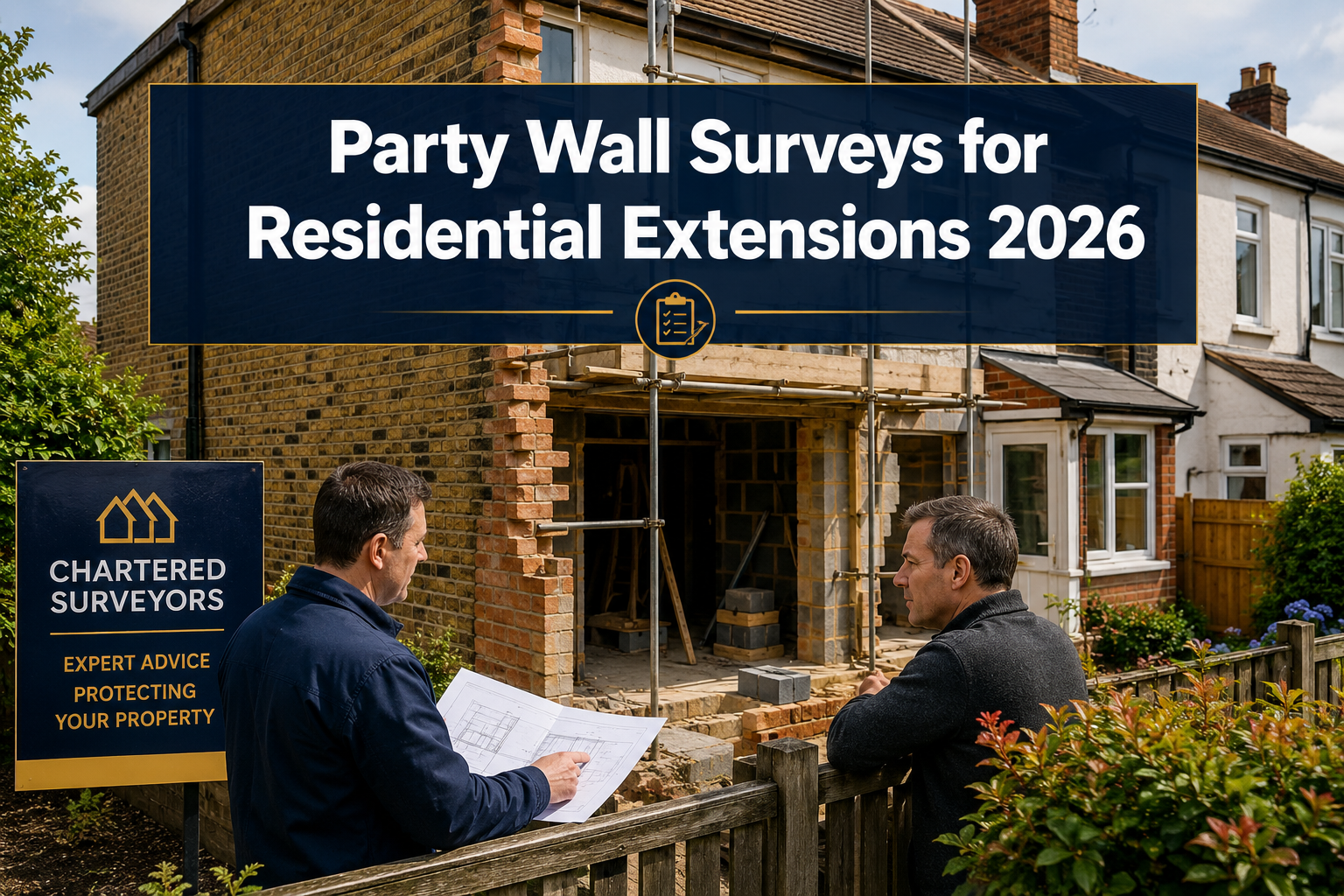

The residential property market is experiencing a remarkable resurgence in 2026, with homeowners increasingly choosing to extend rather than relocate. This surge in extension and loft conversion activity has created unprecedented demand for party wall agreements, placing significant pressure on surveyors and property owners to navigate complex legal requirements efficiently. Understanding Party Wall Notices for 2026 Residential Extensions and Loft Conversions: Managing Timelines and Agreements in High-Volume Recovery Markets has never been more critical for successful project delivery.
As buyer confidence strengthens and property values stabilize, the construction industry is witnessing a dramatic uptick in residential improvement projects. This recovery has transformed party wall procedures from occasional administrative tasks into high-volume operations requiring sophisticated timeline management and streamlined agreement processes. 🏗️
Key Takeaways
- Two-month notice periods are mandatory for most party wall works affecting extensions and loft conversions, while excavation work requires one month's notice
- Surveyor demand has surged in 2026 recovery markets, making early engagement essential for avoiding project delays
- Neighbor consent within 14 days triggers the formal party wall award process, requiring professional surveyor involvement
- Building owners bear all surveyor costs, making budget planning crucial for extension and loft conversion projects
- Proactive communication strategies significantly reduce disputes and accelerate agreement timelines in high-volume markets
Understanding Party Wall Legislation in 2026's Recovery Context
The Party Wall etc. Act 1996 remains the cornerstone legislation governing shared wall modifications, but its application has evolved significantly within 2026's dynamic property market. As residential extensions and loft conversions proliferate across recovery markets, understanding when party wall notices apply has become essential for project success.
When Party Wall Notices Are Required
Residential extensions and loft conversions trigger party wall requirements in several common scenarios:
- Building on or astride the boundary line between properties
- Excavating within three or six meters of neighboring structures (depending on depth)
- Cutting into party walls for beam insertion or structural alterations
- Inserting damp proof courses into shared walls
- Raising party walls for loft conversions or additional stories
- Removing chimney breasts from party walls
According to current regulations, building owners must serve written notice two months before starting most party wall works, or one month for excavation near boundaries[1][2]. This timeline becomes particularly challenging in high-volume markets where surveyor availability is constrained.
The 2026 Market Recovery Impact
The residential improvement sector has experienced substantial growth in 2026, driven by several converging factors:
✅ Increased property values making extensions more cost-effective than moving
✅ Remote work trends creating demand for additional home office space
✅ Limited housing stock encouraging homeowners to maximize existing properties
✅ Favorable lending conditions supporting home improvement financing
This recovery has created what industry professionals describe as a "capacity crunch" for party wall surveyors. Properties in densely populated urban areas—particularly terraced and semi-detached homes—face longer wait times for surveyor appointments, making early planning absolutely essential.
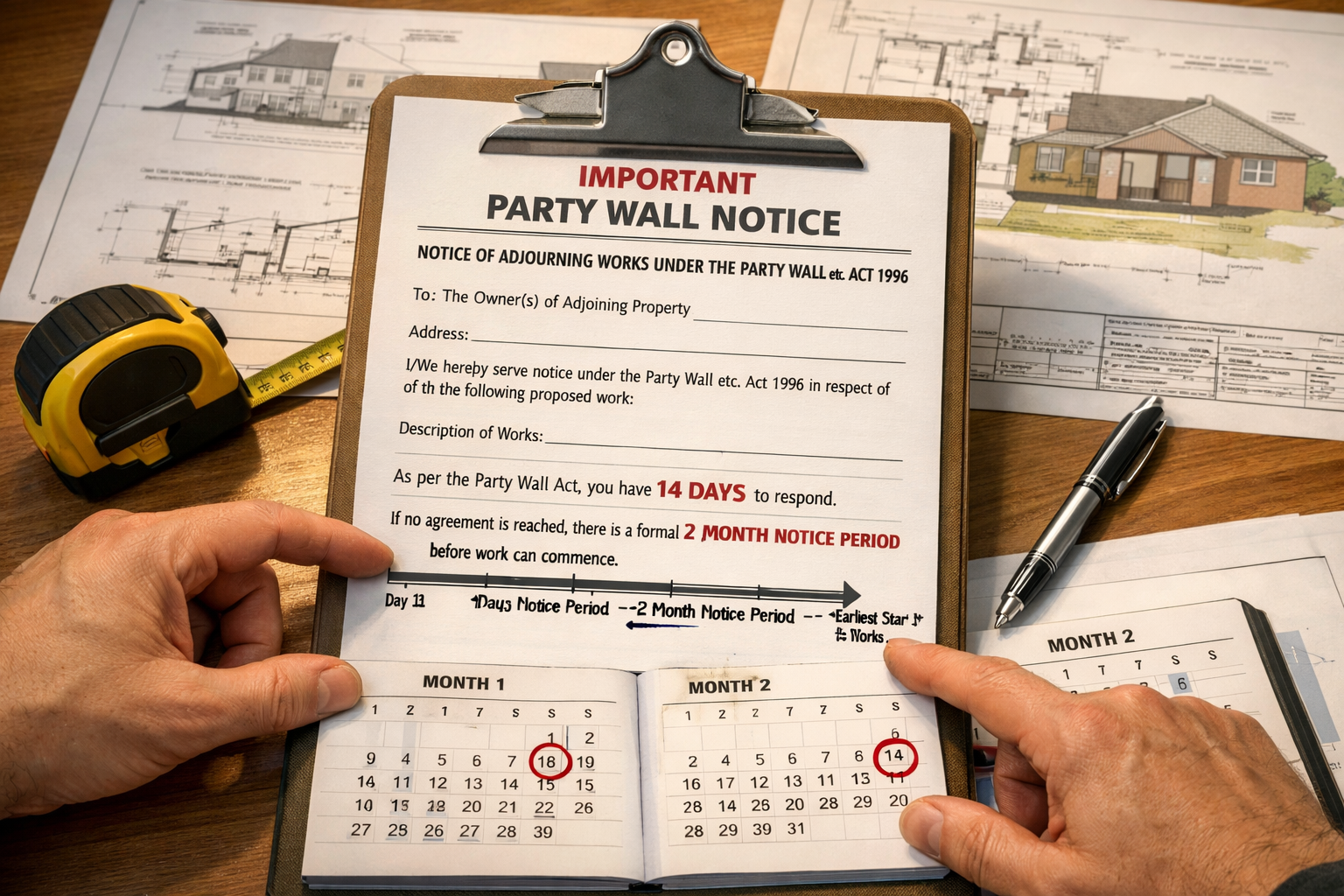
Party Wall Notices for 2026 Residential Extensions and Loft Conversions: The Notice Process
Navigating the formal notice process efficiently separates successful projects from those plagued by delays and disputes. In high-volume recovery markets, understanding each procedural step and its timing implications is crucial.
Serving Valid Party Wall Notices
A compliant party wall notice must contain specific information to be legally valid:
Essential Notice Components:
- Building owner's name and address
- Clear description of proposed works
- Date when work will commence
- Detailed drawings or plans showing the scope
- Statement of rights under the Party Wall Act
The notice must be served in writing to all affected adjoining owners. In 2026's fast-paced markets, many building owners make the mistake of rushing this step, resulting in invalid notices that restart the entire timeline.
The 14-Day Response Window
Once neighbors receive proper notice, they have 14 days to respond in one of three ways:
- Consent in writing – Work can proceed after the notice period expires
- Dissent or no response – A party wall award becomes necessary
- Request modifications – Negotiation begins before formal consent
Understanding consent requirements for party wall work helps building owners prepare for various response scenarios. In 2026's recovery markets, approximately 60% of notices result in dissent or non-response, requiring surveyor involvement[2].
Appointing Party Wall Surveyors
When neighbors dissent or fail to respond, the party wall award process begins. Building owners have two options:
Option 1: Agreed Surveyor
Both parties jointly appoint a single surveyor to prepare the award. This approach typically costs less and moves faster—critical advantages in high-volume markets.
Option 2: Separate Surveyors
Each party appoints their own surveyor, who then jointly prepare the award. These surveyors may appoint a third surveyor to resolve disagreements. While more expensive, this approach provides independent representation.
The building owner bears all surveyor costs regardless of the appointment structure[1]. In 2026's competitive market, surveyor fees for residential extensions typically range from £700-£1,500 per party wall, while complex loft conversions may exceed £2,000.
For comprehensive guidance on the process, review our party wall FAQs covering common scenarios.
Managing Timelines in High-Volume 2026 Markets
Timeline management has become the defining challenge for Party Wall Notices for 2026 Residential Extensions and Loft Conversions: Managing Timelines and Agreements in High-Volume Recovery Markets. The surge in residential improvement projects has created bottlenecks that require strategic planning to overcome.
Critical Timeline Milestones
Understanding the complete timeline from initial planning to construction commencement helps prevent costly delays:
| Phase | Duration | Key Actions |
|---|---|---|
| Pre-Notice Planning | 2-4 weeks | Finalize designs, identify affected parties, prepare notice documents |
| Notice Period | 1-2 months | Serve notices, await neighbor responses[1][2] |
| Surveyor Appointment | 1-2 weeks | Engage surveyors if consent not received |
| Award Preparation | 4-8 weeks | Site inspections, schedule of condition, award drafting |
| Appeal Period | 14 days | Neighbors may appeal award to county court |
| Construction Start | After appeals | Work legally commences |
Total Timeline: 3-5 months minimum for projects requiring party wall awards in 2026's high-volume markets.
Strategies for Accelerating Agreements
Professional practices serving multiple clients simultaneously have developed effective strategies for managing high-volume caseloads:
1. Early Neighbor Engagement 🤝
Informal discussions before formal notices significantly improve consent rates. Explaining project benefits, addressing concerns proactively, and demonstrating consideration for neighbor impact builds goodwill.
2. Comprehensive Documentation
Detailed architectural drawings, structural engineer reports, and clear work schedules demonstrate professionalism and reduce neighbor anxiety. Properties requiring excavation near a neighbor particularly benefit from thorough documentation.
3. Surveyor Pre-Booking
In 2026's capacity-constrained market, engaging surveyors before serving notices ensures availability when needed. Many experienced practitioners maintain preferred surveyor relationships for faster turnaround.
4. Standardized Processes
High-volume practices implement template systems for notices, awards, and communications, reducing preparation time while maintaining legal compliance.
5. Digital Workflow Tools
Project management software tracking multiple concurrent party wall cases prevents missed deadlines and ensures consistent follow-up across all parties.

Common Challenges in Extension and Loft Conversion Projects
Specific project types present unique party wall challenges that require tailored approaches in 2026's recovery markets.
Residential Extensions
Single-story rear extensions represent the highest volume of party wall cases in 2026. Common issues include:
- Foundation excavation triggering notice requirements for excavation when within 3-6 meters of neighboring foundations
- Flashing and weatherproofing connections to party walls
- Drainage modifications affecting shared systems
- Access requirements for construction through neighbor's property
Side extensions present additional complexity when building directly on boundary lines, requiring careful coordination of wall construction and roof connections.
Loft Conversions
Loft conversions have surged in popularity as homeowners maximize space without expanding footprints. Party wall considerations include:
- Raising party walls to achieve required head height
- Steel beam insertion through party walls for structural support
- Chimney breast removal from shared chimney stacks (see our guide on shared chimneys)
- Sound insulation requirements affecting party wall modifications
- Dormer construction impacting shared roof structures
In 2026's market, loft conversions account for approximately 35% of party wall cases, with average timelines extending 6-8 weeks longer than simple extensions due to structural complexity[4].
Dispute Resolution
Despite best efforts, disputes occasionally arise. Understanding what constitutes a party wall dispute helps building owners recognize warning signs early.
Common dispute triggers:
- Disagreement over surveyor appointments
- Concerns about damage to property during works
- Working hours and noise complaints
- Inadequate schedule of condition documentation
- Cost allocation disputes
The Party Wall Act provides a statutory dispute resolution framework through appointed surveyors and, if necessary, county court appeals. However, litigation should remain a last resort given the time and cost implications in high-volume markets.
Cost Management for Party Wall Agreements
Understanding the financial implications of Party Wall Notices for 2026 Residential Extensions and Loft Conversions: Managing Timelines and Agreements in High-Volume Recovery Markets enables accurate project budgeting.
Typical Cost Breakdown
Surveyor Fees (Building Owner Pays):
- Agreed surveyor: £700-£1,200 per party wall
- Separate surveyors: £1,000-£2,000 per party wall
- Complex cases (multiple parties): £2,500-£5,000+
- Schedule of condition: £300-£600 per property
Additional Costs:
- Legal advice (if disputes arise): £150-£300 per hour
- Structural engineer reports: £500-£1,500
- Remedial works (if damage occurs): Variable
For detailed cost analysis, consult our comprehensive guide on party wall costs.
Budget Planning Strategies
Smart financial planning for party wall requirements includes:
✅ Contingency allocation of 3-5% of total project costs for party wall procedures
✅ Early surveyor quotes to establish accurate baseline costs
✅ Insurance review ensuring adequate coverage for party wall disputes
✅ Phased payment arrangements with surveyors to manage cash flow
In 2026's competitive market, transparent cost communication with neighbors can facilitate smoother agreements and reduce overall expenses.
Best Practices for High-Volume Surveyor Practices
Professional surveyors managing multiple concurrent party wall cases in 2026's recovery markets have developed sophisticated operational frameworks.
Workflow Optimization
Efficient case management requires:
Intake Procedures:
- Standardized client questionnaires capturing essential project details
- Digital document collection systems
- Preliminary site assessment protocols
- Clear fee structures and engagement letters
Scheduling Systems:
- Batched site inspections by geographic area
- Buffer time for unexpected complications
- Milestone tracking across multiple cases
- Automated deadline reminders
Communication Protocols:
- Regular client updates (weekly minimum)
- Neighbor liaison procedures
- Template correspondence for common scenarios
- Escalation procedures for disputes
Technology Integration
Leading practices in 2026 leverage technology extensively:
- Digital survey tools for schedule of condition documentation
- Cloud-based case management enabling team collaboration
- Electronic notice service with delivery confirmation
- Video conferencing for remote consultations
- Automated reporting for award preparation
These technological advantages significantly reduce turnaround times while maintaining accuracy and compliance.

Regulatory Compliance and Recent Developments
While the Party Wall Act 1996 remains unchanged, its interpretation and application continue evolving through case law and professional guidance.
2026 Regulatory Landscape
Key compliance considerations include:
Building Regulations Integration:
Party wall agreements must align with Building Regulations approvals. Many local authorities in 2026 require evidence of party wall compliance before issuing completion certificates[4].
Planning Permission Coordination:
While party wall procedures are separate from planning permission, coordinating both processes prevents timeline conflicts. Projects requiring planning approval should initiate party wall procedures simultaneously.
Professional Standards:
RICS (Royal Institution of Chartered Surveyors) guidance establishes professional standards for party wall surveyors. Engaging RICS-qualified professionals ensures compliance with best practices.
Insurance Requirements:
Professional indemnity insurance for party wall surveyors has become increasingly important, with minimum coverage levels rising in 2026's litigious environment.
What Happens Without Proper Notices
Proceeding without valid party wall agreements carries significant risks. Understanding consequences of no party wall agreement helps building owners appreciate compliance importance.
Potential consequences:
- Injunctions halting construction
- Retrospective party wall awards
- Increased surveyor costs
- Neighbor damage claims
- Project insurance complications
- Difficulty selling property with unresolved party wall issues
In 2026's recovery market, approximately 15% of disputes arise from inadequate initial compliance, resulting in average additional costs of £5,000-£15,000 to resolve retrospectively.
Strategic Planning for 2026 Extension and Conversion Projects
Successfully navigating Party Wall Notices for 2026 Residential Extensions and Loft Conversions: Managing Timelines and Agreements in High-Volume Recovery Markets requires comprehensive strategic planning from project inception.
Pre-Construction Planning Checklist
6-8 Months Before Construction:
- ✅ Finalize architectural designs
- ✅ Identify all affected neighboring properties
- ✅ Engage party wall surveyor for preliminary advice
- ✅ Review property deeds for restrictive covenants
- ✅ Obtain planning permission (if required)
4-6 Months Before Construction:
- ✅ Prepare detailed party wall notices
- ✅ Conduct informal neighbor consultations
- ✅ Serve formal notices with complete documentation
- ✅ Arrange Building Regulations approval application
- ✅ Finalize construction contractor selection
2-4 Months Before Construction:
- ✅ Respond to neighbor questions and concerns
- ✅ Appoint surveyors if consent not received
- ✅ Complete schedules of condition
- ✅ Finalize party wall awards
- ✅ Secure construction insurance
0-2 Months Before Construction:
- ✅ Allow appeal period to expire
- ✅ Conduct pre-construction neighbor meeting
- ✅ Establish site access arrangements
- ✅ Implement monitoring procedures for party walls
- ✅ Commence construction legally
This systematic approach significantly reduces delays in high-volume markets where surveyor availability and neighbor cooperation are critical success factors.
Communication Excellence
Effective stakeholder communication separates successful projects from problematic ones:
With Neighbors:
- Proactive updates before formal notices
- Clear explanation of project benefits
- Realistic timeline expectations
- Accessible contact information
- Prompt response to concerns
With Surveyors:
- Complete information provision
- Timely document submission
- Realistic deadline discussions
- Budget transparency
- Collaborative problem-solving
With Contractors:
- Party wall requirement briefings
- Award condition compliance
- Working hours restrictions
- Access protocols
- Damage prevention procedures
Future Trends and Market Predictions
As 2026 progresses, several trends are shaping the party wall landscape for residential extensions and loft conversions.
Emerging Market Dynamics
Sustainability Integration:
Increasing numbers of extension projects incorporate energy efficiency improvements, sometimes requiring additional party wall considerations for insulation upgrades or renewable energy installations.
Modular Construction:
Prefabricated extension systems are gaining popularity, potentially streamlining party wall procedures through standardized designs and reduced on-site work duration.
Digital Transformation:
Electronic notice service, digital awards, and blockchain-based agreement verification are emerging technologies that may revolutionize party wall procedures in coming years.
Professional Capacity:
The surveyor shortage in high-volume markets is driving increased training programs and professional development initiatives, potentially easing capacity constraints by late 2026 and into 2027.
Adapting to Market Evolution
Property owners and professionals should anticipate:
- Longer lead times continuing through peak construction seasons
- Premium pricing for expedited surveyor services
- Increased neighbor awareness of party wall rights
- Greater regulatory scrutiny of compliance
- Technology-enabled efficiencies gradually reducing timelines
Staying informed about these developments enables proactive adaptation to changing market conditions.
Conclusion
Party Wall Notices for 2026 Residential Extensions and Loft Conversions: Managing Timelines and Agreements in High-Volume Recovery Markets presents both challenges and opportunities for property owners, surveyors, and construction professionals. The residential improvement boom driving 2026's market recovery has created unprecedented demand for efficient party wall procedures, making strategic planning and professional expertise more valuable than ever.
Success in this environment requires understanding the complete timeline from initial notice through construction commencement, typically spanning 3-5 months for projects requiring formal awards. Building owners must serve notices two months before starting work for most party wall modifications, or one month for excavation projects, allowing adequate time for neighbor responses and surveyor involvement[1][2].
The financial implications are substantial, with building owners bearing all surveyor costs—typically £700-£2,000 per party wall for straightforward cases. However, these costs pale in comparison to the expenses and delays resulting from non-compliance or disputes.
Actionable Next Steps
For property owners planning extensions or loft conversions in 2026:
- Start early: Initiate party wall procedures 6-8 months before desired construction start dates
- Engage professionals: Consult experienced party wall surveyors during design phases
- Communicate proactively: Build positive neighbor relationships before formal notices
- Budget comprehensively: Allocate 3-5% of project costs for party wall procedures
- Document thoroughly: Maintain detailed records of all communications and agreements
- Monitor compliance: Ensure contractors understand and follow award conditions
For surveyors managing high-volume practices:
- Implement robust systems: Deploy technology and standardized processes for efficiency
- Manage capacity: Set realistic timelines and avoid overcommitment
- Maintain quality: Ensure thorough work despite volume pressures
- Build networks: Develop relationships with other surveyors for workload management
- Stay current: Keep abreast of regulatory developments and case law
The party wall framework, while sometimes perceived as bureaucratic, ultimately protects both building owners and neighbors while facilitating necessary property improvements. By understanding and respecting these procedures, stakeholders contribute to successful project outcomes and positive community relationships in 2026's dynamic residential property market.
For additional guidance on specific party wall scenarios, explore our comprehensive resources on party wall procedures and related surveying services.
References
[1] All You Need To Know About Party Wall Notices – https://www.stephensons.co.uk/site/blog/consumer-law-blog/all-you-need-to-know-about-party-wall-notices
[2] Party Wall Agreement – https://hoa.org.uk/advice/guides-for-homeowners/i-am-improving/party-wall-agreement/
[4] House Extension Rules 2026 What You Need To Know – https://devisarchitecture.com/home-extensions/house-extension-rules-2026-what-you-need-to-know/