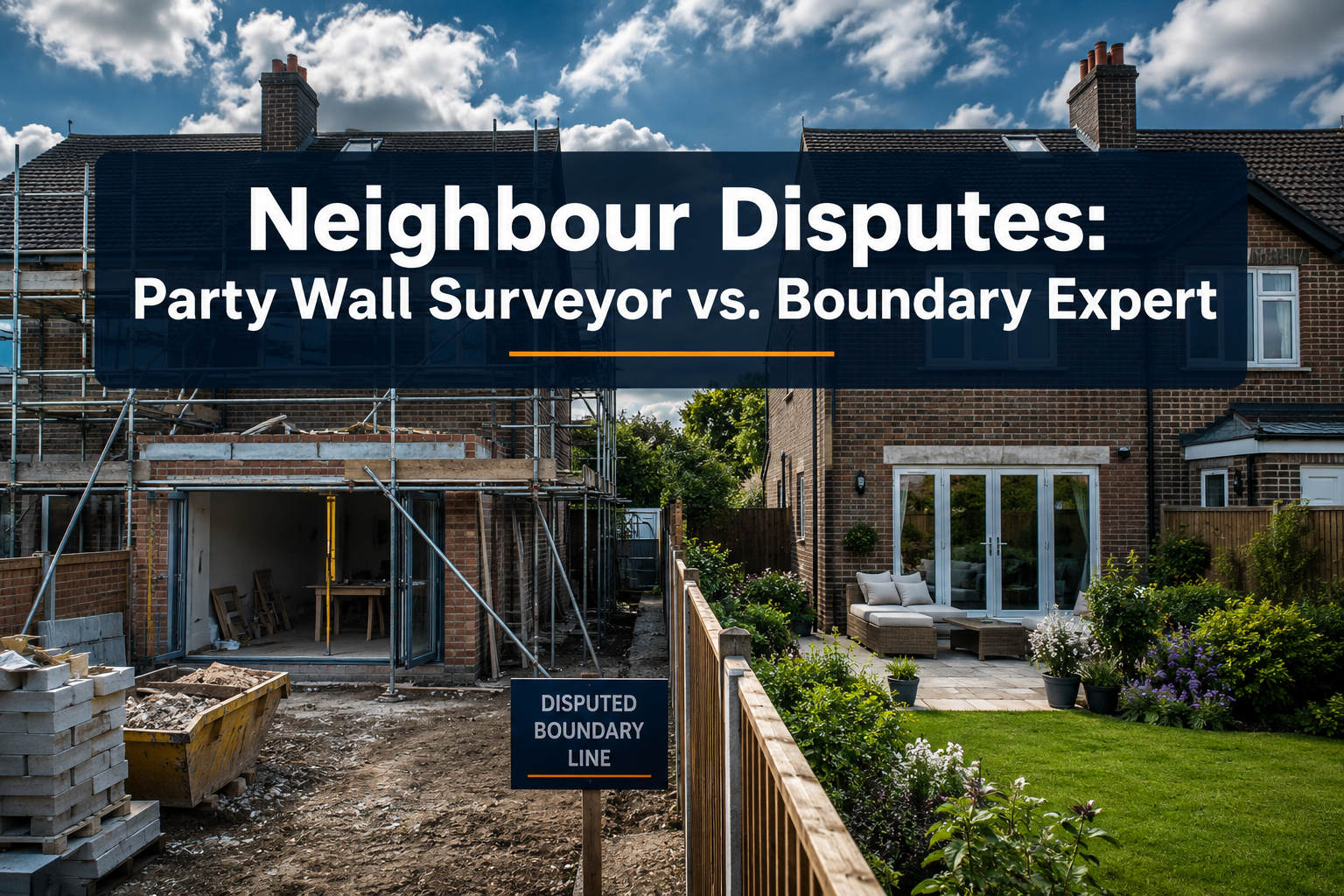

The property market landscape across Southern England has shifted dramatically. While national headlines tout modest recovery, surveyors working in London, the South East, and South West regions face a starkly different reality—one characterized by persistent affordability constraints, inventory oversupply, and price stagnation that demands specialized valuation approaches. As we navigate 2026, understanding how to apply valuation adjustments for affordability-constrained Southern markets has become essential for chartered surveyors seeking to deliver accurate, defensible property assessments.
The challenge is clear: traditional comparable sales methodologies that served well during boom years now require significant refinement. Properties sit longer on the market, buyer purchasing power remains squeezed, and regional disparities have widened to historic levels. For surveyors, this environment demands tactical adjustments that account for these unique market dynamics.
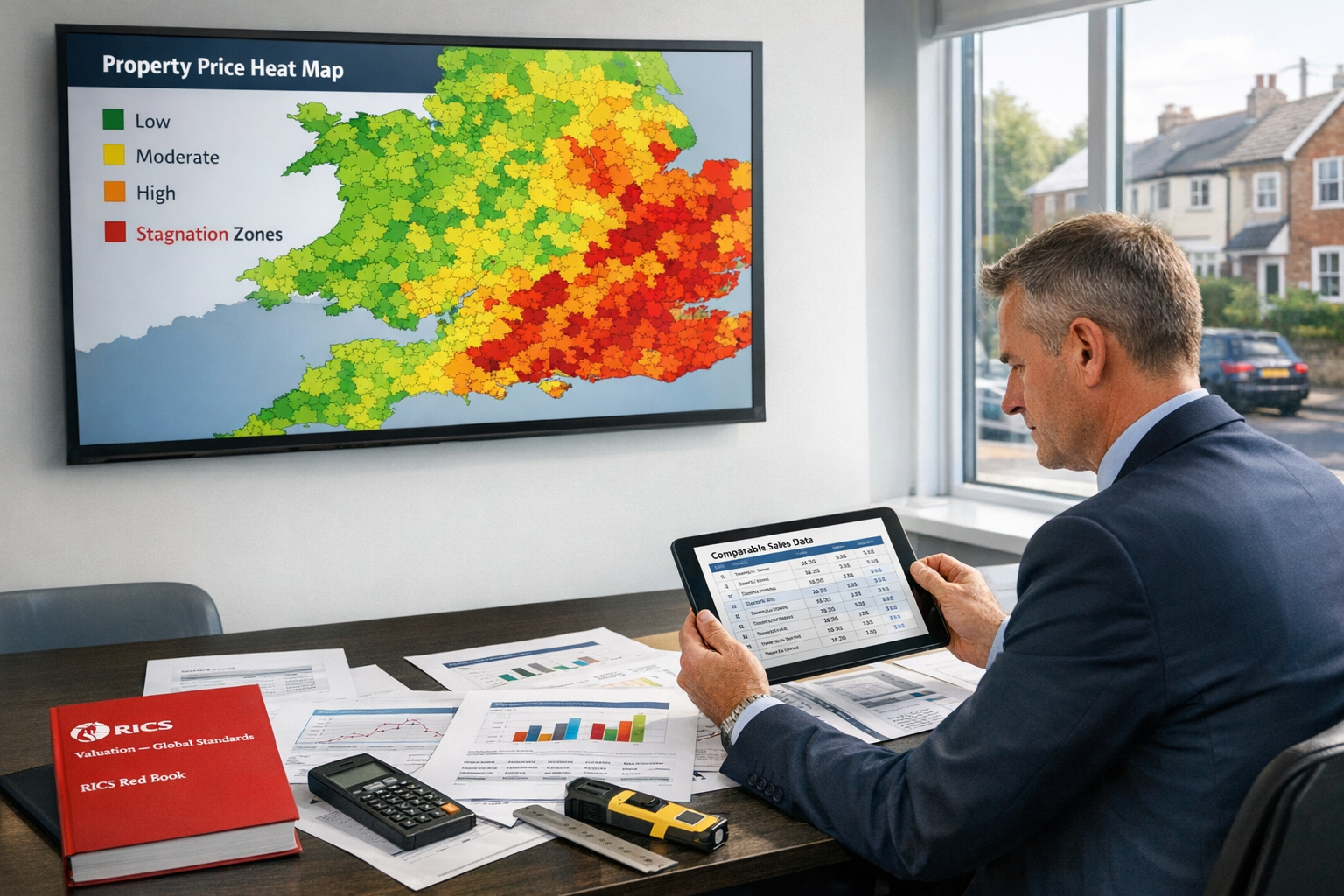
Key Takeaways
- Southern markets lag national trends: London, South East, and South West regions experience persistent price stagnation despite modest national recovery, requiring specialized valuation approaches
- Affordability constraints drive adjustments: Income-to-price ratios, extended marketing periods, and inventory levels must factor into 2026 valuation methodologies
- Comparable selection requires refinement: Traditional six-month comparable timeframes may need extension to 12-18 months in stagnation zones to capture sufficient market data
- Documentation is critical: Detailed adjustment rationale protects surveyors professionally while providing transparency to clients and lenders in challenging markets
- Regional expertise matters: Understanding micro-market dynamics within broader stagnation zones enables more accurate property-specific valuations
Understanding 2026 Price Stagnation in Southern Markets
The National Context vs. Regional Reality
National projections for 2026 paint a picture of modest stability. J.P. Morgan forecasts house prices nationally will stall at 0%, while Realtor.com predicts 2.2% year-over-year appreciation and Redfin estimates 1% growth[3][4][5]. However, these figures mask significant regional disparities that surveyors must understand.
The Southern markets of England—particularly London, the South East, and South West—continue experiencing affordability pressures that exceed national averages. While some international markets like Austin, Texas, have seen dramatic 20% corrections from peak prices (dropping from $550,000 in 2022 to approximately $440,000 in January 2026)[2], UK Southern regions face a different challenge: prolonged stagnation rather than sharp correction.
Key Factors Driving Southern Market Stagnation
Several interconnected factors create the unique conditions requiring specialized valuation approaches:
Affordability Constraints 🏠
Income growth has failed to keep pace with accumulated price increases from previous years. Even with prices flat or declining slightly in real terms, the income-to-price ratio remains historically stretched across Southern markets.
Inventory Accumulation
Unlike constrained supply in some Midwest and Northeast US markets that support valuations[1], Southern UK markets face growing inventory levels as properties take longer to sell. This increased supply without corresponding demand growth exerts downward pressure on pricing power.
Mortgage Rate Environment
While rates have stabilized from 2023-2024 peaks, they remain elevated compared to the ultra-low environment of 2020-2021, directly impacting buyer purchasing power and willingness to transact at previous price levels.
Regional Economic Headwinds
London's financial services sector adjustments, South East commuter pattern changes post-pandemic, and South West seasonal market dependencies all contribute to localized economic pressures affecting property demand.
Valuation Adjustments for Affordability-Constrained Southern Markets: Core Methodology Changes
Expanding Comparable Selection Timeframes
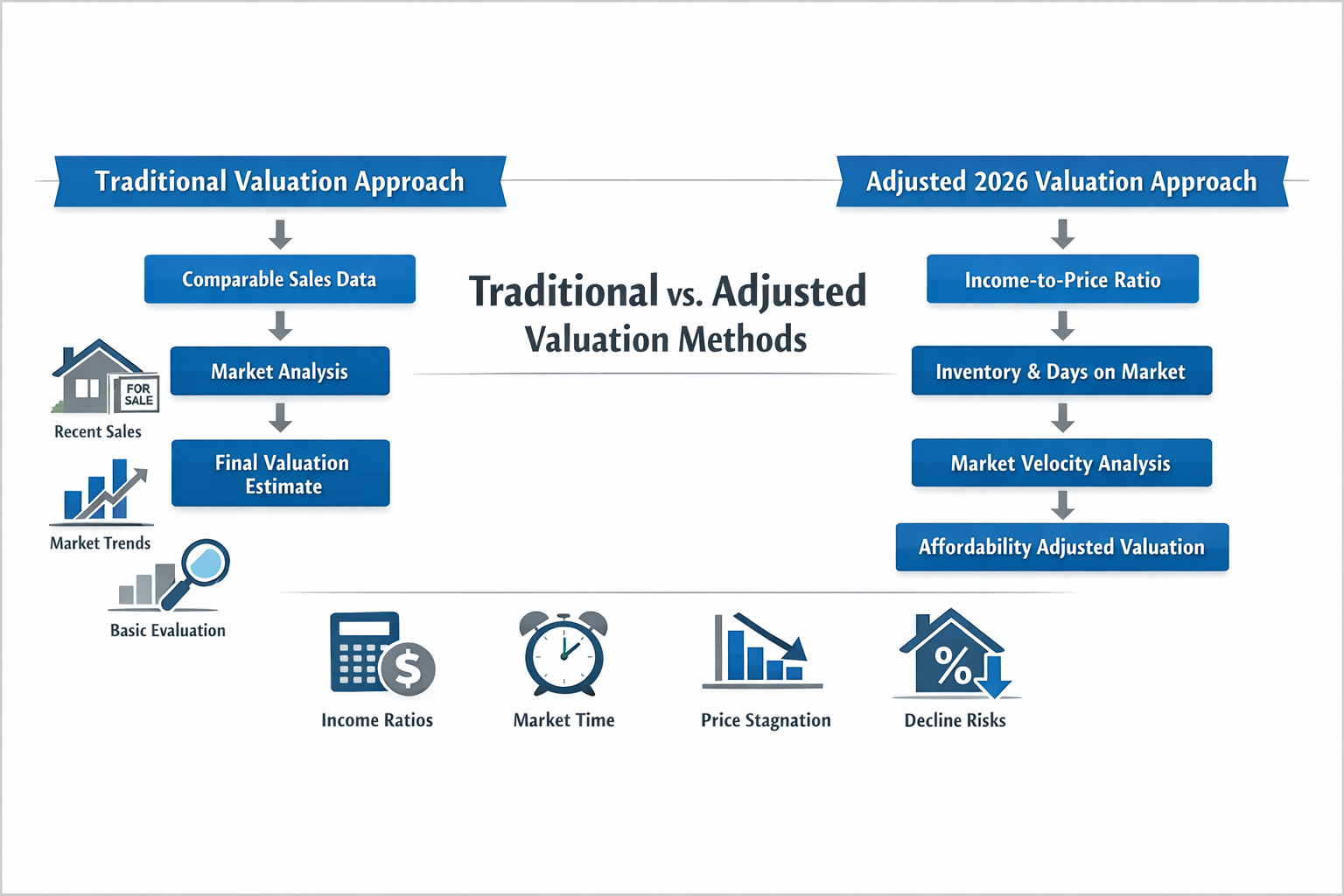
Traditional valuation methodology typically relies on comparable sales within the preceding six months. In 2026 stagnation zones, this approach often yields insufficient data or unrepresentative samples.
Recommended Adjustment: Extend comparable timeframes to 12-18 months while applying appropriate time adjustments. This broader window captures more transactions while acknowledging market evolution.
| Market Condition | Comparable Timeframe | Time Adjustment Factor |
|---|---|---|
| Active/Appreciating | 3-6 months | Minimal (0-2%) |
| Stable | 6-9 months | Moderate (2-5%) |
| Stagnant | 12-18 months | Context-dependent (0-3%) |
| Declining | 12-18 months | Downward (3-8%) |
Incorporating Days on Market (DOM) Analysis
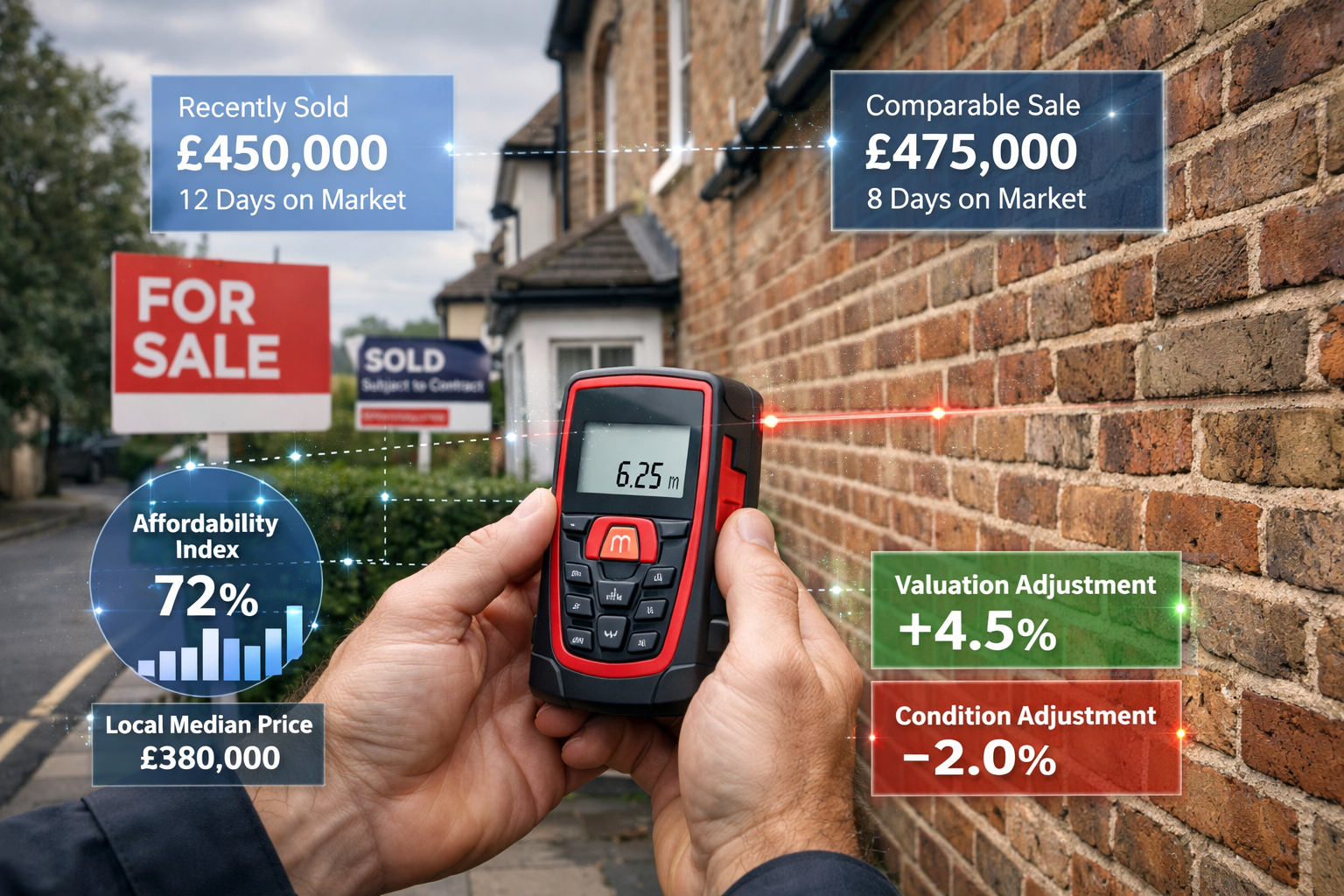
Properties in stagnation zones consistently exceed historical marketing periods. This extended DOM provides critical valuation intelligence that traditional approaches may overlook.
Practical Application:
- Calculate average DOM for comparable properties
- Compare subject property's expected DOM to market average
- Apply downward adjustments for properties likely to exceed 120+ days on market
- Document the relationship between DOM and eventual sale price discounts
"In affordability-constrained markets, time becomes a cost factor that must be reflected in valuation. Properties that require extended marketing periods carry implicit holding costs and market risk that impact value." — RICS Valuation Standards
Affordability Ratio Adjustments
Integrate local income data into your valuation framework. When median income-to-price ratios exceed historical norms by significant margins, downward adjustments become defensible.
Calculation Framework:
- Determine local median household income
- Calculate historical income-to-price ratio (typically 3.5-5x in UK markets)
- Compare current ratio to historical average
- Apply graduated adjustment when current ratio exceeds historical by 15%+
For example, if historical ratio is 4.5x and current is 6.0x, this 33% deterioration in affordability suggests material downward pressure on sustainable pricing.
Inventory Level Considerations
Markets with expanding inventory relative to absorption rates signal weakening demand dynamics. Professional surveyors should track:
- Months of inventory: Current listings divided by monthly absorption rate
- Year-over-year inventory change: Growing inventory suggests downward pressure
- New listing velocity: Acceleration in new listings without corresponding sales increases
When months of inventory exceed 6-8 months (balanced market threshold), downward valuation adjustments of 2-5% may be appropriate depending on property type and location specificity.
Surveyor Tactics for 2026 Price Stagnation Zones: Practical Implementation
Enhanced Comparable Analysis Documentation
In challenging markets, documentation quality becomes paramount for professional protection and client transparency. When conducting a homebuyer survey or formal valuation, implement these enhanced practices:
Comparable Selection Justification ✅
- Document why each comparable was selected
- Explain any departures from standard timeframes
- Detail specific adjustments applied and rationale
- Include rejected comparables with explanation
Market Conditions Commentary
Every valuation report should include a dedicated market conditions section addressing:
- Current inventory levels vs. historical averages
- Typical marketing periods for property type
- Recent price trend analysis (3-6-12 month comparison)
- Affordability metrics relevant to the location
Geographic Micro-Market Analysis
Southern stagnation zones are not monolithic. Significant variation exists between submarkets, requiring granular analysis. A property in Fulham faces different dynamics than one in Romford, despite both falling within the broader South East region.
Tactical Approach:
- Narrow comparable search to specific postcode districts when possible
- Recognize transport connectivity impacts (properties near Elizabeth Line stations may outperform)
- Account for school catchment area premiums or discounts
- Consider neighborhood-specific development pipeline impacts
Surveyors serving chartered surveyor clients in Essex, Surrey, or Sussex must develop deep local market knowledge to apply appropriate micro-adjustments.
Condition and Specification Premiums in Stagnant Markets
When overall market conditions suppress prices, property condition and specification become differentiating factors that command disproportionate premiums. Well-presented, move-in-ready properties may achieve prices 5-10% above comparable properties requiring work.
Valuation Implications:
- Increase adjustment percentages for condition differences
- Apply premium adjustments for energy efficiency upgrades (EPC ratings)
- Recognize that deferred maintenance creates larger value impacts in buyer's markets
- Consider recommending specific defect surveys when condition issues may materially impact value
This dynamic makes thorough property survey selection increasingly important for buyers seeking to understand true value in stagnation zones.
Rental Market Cross-Reference
Rental market dynamics provide valuable validation data for purchase valuations. Several Southern and Western US markets are experiencing continued rent declines, with Austin, Las Vegas, and Atlanta showing the largest drops from peaks[4]. Similar patterns appear in UK Southern markets.
Application Strategy:
- Calculate gross rental yield for subject property
- Compare to historical yields for property type and location
- Investigate yield compression or expansion trends
- Use rental market velocity as demand indicator
When rental markets soften alongside sales markets, this dual weakness suggests more significant affordability constraints requiring conservative valuation approaches.
Advanced Considerations for Professional Surveyors
Red Book Compliance in Challenging Markets
RICS Red Book valuation standards require particular attention in stagnation zones. Key compliance considerations include:
Market Value Definition Clarity
Ensure clients understand that Market Value assumes a willing buyer and seller, adequate marketing period, and no special circumstances. In stagnant markets, achieving Market Value may require extended marketing or price adjustments.
Uncertainty and Material Valuation Uncertainty Clauses
When market evidence is limited or contradictory, appropriate uncertainty language protects both surveyor and client. Consider including Material Valuation Uncertainty clauses when:
- Comparable evidence is sparse or dated
- Market conditions are rapidly evolving
- Significant economic uncertainty affects buyer behavior
Assumptions and Special Assumptions
Document all assumptions clearly, particularly regarding:
- Marketing period expectations
- Market condition stability
- Completion of any remedial works
- Planning permission or building regulation compliance
Leasehold Valuations in Stagnant Markets
Leasehold properties present additional complexity in stagnation zones. When performing freehold valuations or lease extension calculations, consider:
Deferment Rate Adjustments
Traditional deferment rates may require reconsideration when markets show extended stagnation. Lower growth expectations impact reversion value calculations.
Relativity Considerations
Short lease discounts may widen in stagnant markets as buyers become more risk-averse and lenders tighten criteria. Standard relativity graphs may understate discounts in current conditions.
Marriage Value Impacts
When overall market values stagnate, marriage value calculations require careful consideration of realistic development value assumptions.
Commercial Property Considerations
While residential markets face significant challenges, commercial property shows more varied performance. Retail fundamentals remain relatively stable with limited new supply supporting valuations, particularly in grocery-anchored and neighborhood shopping centers showing the strongest valuations in a decade[6].
For surveyors conducting commercial building surveys or commercial valuations, recognize that:
- Industrial assets face sector-specific challenges from excess supply in some markets[1]
- Retail space shows approximately 1.5% average rent growth nationwide[1]
- Location and tenant quality create larger value differentials than in residential markets
- Rent review provisions significantly impact investment value
Technology and Data Integration
Modern surveying practice increasingly leverages technology for enhanced valuation accuracy. In 2026, consider integrating:
Automated Valuation Models (AVMs)
Use AVMs as a sense-check rather than primary methodology. In stagnant markets, AVMs may lag actual market conditions but provide useful validation.
Market Data Platforms
Subscription services providing real-time market data, inventory tracking, and comparative analytics enhance decision-making quality.
Geographic Information Systems (GIS)
Mapping tools help visualize market trends, identify comparable clusters, and understand location-specific factors affecting value.
While desktop valuations offer efficiency, physical inspection remains essential in challenging markets where condition and specification create disproportionate value impacts.
Risk Management and Professional Protection
Client Communication Strategies
Transparent communication protects professional relationships when valuations disappoint client expectations. Effective strategies include:
Pre-Instruction Discussions 💼
Before accepting instruction, discuss:
- Current market conditions in the specific area
- Realistic value range expectations
- Factors that may impact final valuation
- Timeline for report delivery
Interim Updates
For complex or high-value instructions, provide interim updates on findings, particularly when evidence suggests value below client expectations.
Educational Approach
Help clients understand the valuation process, adjustment methodology, and market factors. Educated clients are more accepting of challenging valuations.
Professional Indemnity Considerations
Valuation work in stagnation zones carries heightened professional risk. Protect your practice through:
Robust File Documentation
Maintain comprehensive working papers demonstrating:
- Comparable search process and selection criteria
- All adjustments applied with supporting rationale
- Market research conducted
- Assumptions and limitations clearly stated
Conservative Approach
When evidence supports a range of values, consider positioning toward the lower end in stagnant markets. Optimistic valuations create greater liability risk.
Peer Review Processes
Implement internal peer review for valuations in challenging markets or above certain value thresholds. Fresh eyes catch potential oversights.
Continuing Professional Development
Maintain current knowledge of market conditions, valuation methodology evolution, and regulatory requirements through regular CPD activities.
Regional Variations Across Southern Markets
London-Specific Considerations
The London market presents unique dynamics within the broader Southern stagnation zone:
Prime vs. Secondary Markets
Prime central London shows different patterns than outer boroughs. Properties in areas like Hampstead, Fulham, and Barnes may demonstrate relative resilience compared to secondary locations.
Transport Infrastructure Impact
Proximity to Elizabeth Line stations continues creating localized price support despite broader market weakness. Properties in Hammersmith, Richmond, and Islington benefit from connectivity premiums.
International Buyer Dynamics
Currency fluctuations and geopolitical factors affect international buyer activity, creating additional volatility in higher-value segments.
South East Market Characteristics
The South East encompasses diverse submarkets requiring tailored approaches:
Commuter Belt Properties
Hybrid working patterns continue affecting demand for traditional commuter locations. Properties in Berkshire, Hemel Hempstead, and Harpenden face different dynamics than coastal or rural locations.
Coastal Premium Sustainability
Pandemic-era coastal premiums have moderated but not fully reversed. Assess whether elevated pricing remains supportable by fundamental demand.
New Build vs. Existing Stock
Oversupply of new build developments in some areas creates downward pressure on existing stock valuations.
South West Dynamics
The South West market combines lifestyle appeal with affordability challenges:
Seasonal Market Volatility
Holiday home and second home markets create seasonal transaction patterns affecting comparable availability and reliability.
Local vs. Relocator Demand
Distinguish between local economic fundamentals and relocator demand, which may prove less sustainable during economic uncertainty.
Rural Property Considerations
Unique property characteristics, limited comparables, and specialist buyer pools require adapted valuation approaches.
Looking Ahead: Market Evolution Scenarios
Base Case: Extended Stagnation (Most Likely)
The most probable scenario for Southern markets through 2026-2027 involves continued price stagnation with modest nominal growth below inflation. This environment requires:
- Continued application of conservative valuation adjustments
- Extended comparable timeframes remaining necessary
- Gradual affordability improvement through income growth rather than price correction
- Persistent inventory levels above historical averages
Surveyor Implications: Current tactical approaches remain appropriate with ongoing monitoring of market evolution.
Optimistic Case: Modest Recovery
Should interest rates decline more significantly than currently anticipated and income growth accelerate, modest recovery could emerge by late 2026. Indicators would include:
- Declining inventory levels
- Shortening days on market
- Increased transaction velocity
- Improving buyer sentiment metrics
Surveyor Implications: Gradual reduction in adjustment magnitudes, return to shorter comparable timeframes, increased confidence in forward-looking assumptions.
Pessimistic Case: Price Correction
Economic recession or further affordability deterioration could trigger more significant price corrections similar to international markets like Austin (-20% from peak)[2]. Warning signs include:
- Accelerating inventory accumulation
- Forced sales increasing
- Mortgage availability tightening
- Days on market extending beyond current levels
Surveyor Implications: More aggressive downward adjustments, increased use of uncertainty clauses, heightened professional caution, potential need for revaluation recommendations on existing reports.
Conclusion
Navigating valuation adjustments for affordability-constrained Southern markets in 2026 demands both technical rigor and practical flexibility from chartered surveyors. The price stagnation zones across London, the South East, and South West regions present challenges that traditional methodologies alone cannot adequately address.
Successful surveyors in this environment will distinguish themselves through:
✅ Enhanced comparable analysis incorporating extended timeframes and rigorous adjustment documentation
✅ Affordability metrics integration that acknowledges income-to-price ratio constraints
✅ Micro-market expertise recognizing significant variation within broader stagnation zones
✅ Technology leverage while maintaining the irreplaceable value of professional judgment
✅ Transparent client communication that educates and manages expectations effectively
The market conditions of 2026 are temporary, but the professional habits and methodological refinements developed during this period will serve surveyors well throughout their careers. By adapting valuation approaches to reflect current market realities while maintaining rigorous professional standards, surveyors protect both their clients' interests and their own professional standing.
Actionable Next Steps
For surveyors working in Southern market stagnation zones:
- Review and update your comparable selection criteria to reflect extended timeframes and enhanced documentation requirements
- Develop market condition templates for your reports that systematically address affordability metrics, inventory levels, and marketing period analysis
- Invest in continuing professional development focused on challenging market valuation techniques and Red Book compliance
- Build relationships with local estate agents and mortgage brokers to maintain current market intelligence
- Implement peer review processes for valuations in stagnation zones to ensure quality and consistency
- Monitor leading indicators that might signal market evolution toward recovery or further deterioration
- Communicate proactively with clients about market conditions and realistic value expectations
The surveyors who embrace these challenges with professional rigor and adaptive methodology will not only navigate 2026's stagnation zones successfully but will emerge as trusted advisors capable of delivering value in any market environment.
References
[1] Cre Valuations Hold Steady Capital Markets Head 2026 Debt Equity – https://www.situsamc.com/resources-insights/articles/cre-valuations-hold-steady-capital-markets-head-2026-debt-equity
[2] Austin Housing Market Update For Homebuyers – https://www.mihomes.com/blog/austin/austin-housing-market-update-for-homebuyers
[3] Us Housing Market Outlook – https://www.jpmorgan.com/insights/global-research/real-estate/us-housing-market-outlook
[4] 2026 National Housing Forecast – https://www.realtor.com/research/2026-national-housing-forecast/
[5] Housing Market Predictions 2026 – https://www.redfin.com/news/housing-market-predictions-2026/
[6] 11 Retail Real Estate Predictions For 2026 – https://www.icsc.com/news-and-views/icsc-exchange/11-retail-real-estate-predictions-for-2026