
The UK rental market is experiencing unprecedented transformation in 2026. With tenant demand reaching record highs and rental prices climbing across major cities, landlords and investors face a critical question: how do you accurately value buy-to-let properties when market conditions shift so rapidly? Valuing buy-to-let properties in tenant demand surge: surveyor checklists for 2026 rental growth has become essential knowledge for anyone seeking to capitalize on this rental boom while making informed investment decisions.
The Royal Institution of Chartered Surveyors (RICS) reports that constrained housing supply combined with rising tenant demand creates unique valuation challenges. Traditional property assessment methods must now incorporate yield-focused analysis, rental growth projections, and market-specific factors that directly impact investment returns. This comprehensive guide reveals the professional surveyor checklists and valuation strategies that separate successful buy-to-let investments from costly mistakes.
Key Takeaways
- RICS-qualified surveyors are mandatory for accurate buy-to-let valuations, bringing specialist knowledge of rental yields and local market conditions that standard valuations miss
- Comprehensive inspection checklists must assess 15+ critical factors including structural integrity, damp, heating systems, EPC compliance, and tenant appeal elements
- Yield-focused valuation methods in 2026 prioritize rental income potential over traditional capital appreciation, requiring detailed comparable rental analysis
- Market-specific factors such as local tenant demand, transport links, and area development plans significantly impact buy-to-let property values
- Professional surveys differ fundamentally from basic mortgage valuations, providing detailed defect analysis and rental optimization recommendations
Understanding Buy-to-Let Property Valuation in 2026's Rental Market
The landscape of buy-to-let property valuation has evolved dramatically. Unlike owner-occupied properties where emotional factors and lifestyle preferences influence value, buy-to-let properties function as income-generating assets where rental yield and tenant demand drive valuation metrics.
The Shift to Yield-Focused Valuations
In 2026, professional surveyors conducting buy-to-let valuations must balance two critical components: the property's capital value and its income-generating potential. RICS standards require that all buy-to-let valuations be performed by qualified surveyors with specialist knowledge of rental markets [3]. This expertise proves crucial when tenant demand surges create pricing anomalies between purchase prices and realistic rental returns.
Rental yield calculations form the foundation of modern buy-to-let valuations:
- Gross Yield = (Annual Rental Income ÷ Property Purchase Price) × 100
- Net Yield = [(Annual Rental Income – Annual Costs) ÷ Property Purchase Price] × 100
Properties in high-demand areas may command premium purchase prices, but savvy investors recognize that sustainable rental income determines long-term value. Local chartered surveyors with area-specific knowledge provide critical insights into realistic rental expectations versus inflated market prices.
Why Standard Valuations Fall Short
A common misconception among first-time landlords involves confusing mortgage valuations with comprehensive buy-to-let surveys. Mortgage valuations serve lender interests exclusively and provide minimal detail about property condition, rental potential, or investment viability [5].
Professional buy-to-let surveys examine:
| Assessment Area | Standard Valuation | Buy-to-Let Survey |
|---|---|---|
| Structural Condition | Basic overview | Detailed defect analysis |
| Rental Income Potential | Not assessed | Comprehensive market comparison |
| Tenant Appeal Factors | Not considered | Evaluated against local demand |
| Maintenance Costs | Not estimated | Projected annual expenditure |
| EPC Compliance | Certificate noted | Improvement recommendations |
| Local Market Trends | Not included | Detailed area analysis |
Understanding these distinctions helps investors avoid costly surprises. When valuing properties, professional surveyors consider factors that directly impact rental income and tenant retention—elements invisible in basic valuations.
Comprehensive Surveyor Checklists for Valuing Buy-to-Let Properties in Tenant Demand Surge
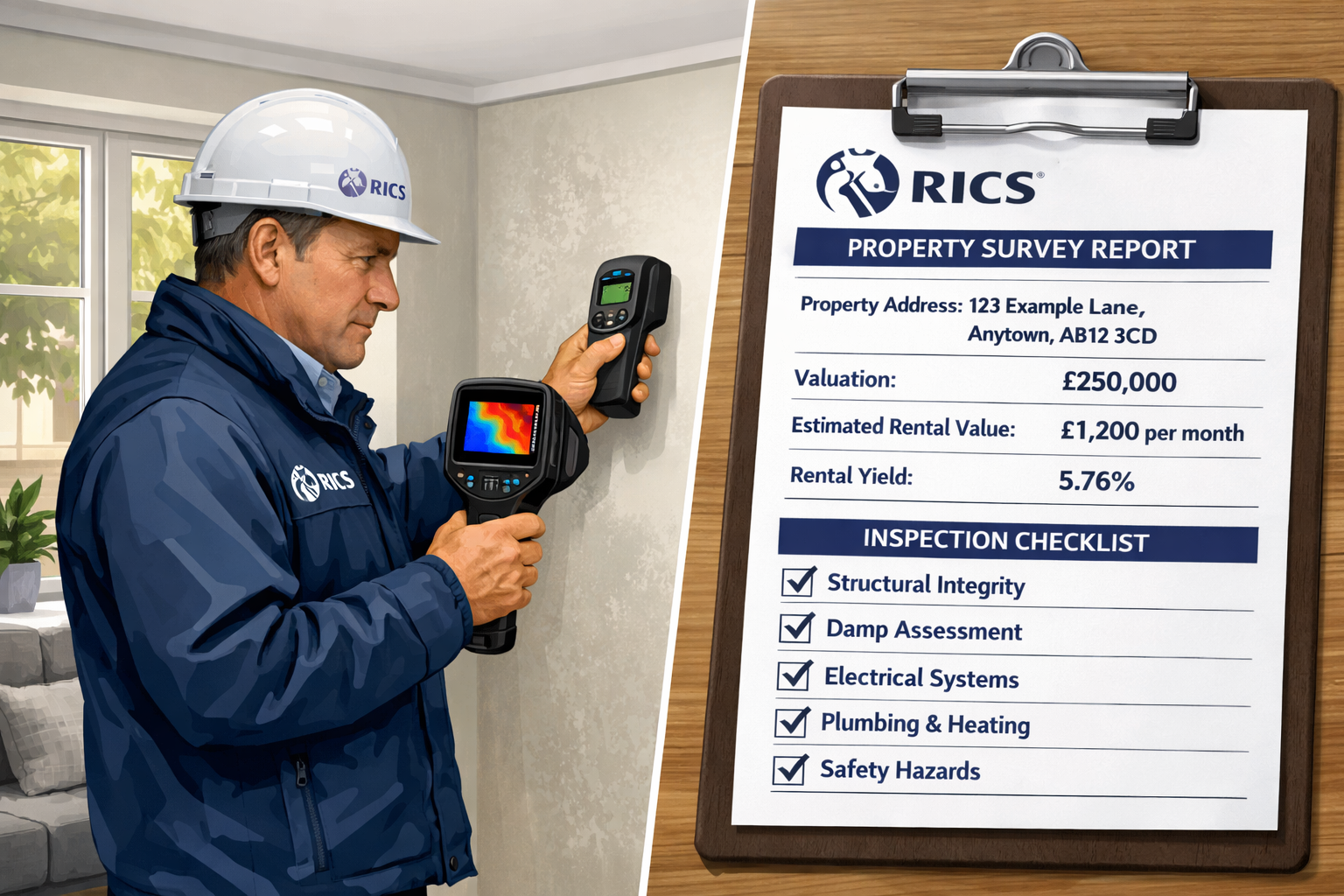
Professional surveyors follow systematic checklists that ensure no critical element escapes scrutiny. These comprehensive assessments protect investors from hidden defects while identifying value-adding opportunities in competitive rental markets.
Structural and Building Condition Assessment 🏗️
The foundation of any buy-to-let valuation begins with thorough structural analysis. Surveyors must evaluate:
Primary Structural Elements:
- Foundation stability and subsidence indicators
- Load-bearing wall integrity and cracking patterns
- Roof condition, including tiles, flashing, and structural timbers
- Chimney stacks and potential shared structures
- External walls, pointing, and render condition
- Window and door frames, seals, and operation
Critical Defect Identification:
- Damp penetration (rising damp, penetrating damp, condensation)
- Timber decay, woodworm, and rot in structural elements
- Drainage systems and waste water management
- Ventilation adequacy throughout the property
- Subsidence, heave, or settlement evidence
Properties with structural issues require immediate attention, as these defects not only reduce value but may render properties unrentable. The difference between Level 2 and Level 3 surveys becomes particularly relevant for older buy-to-let properties where comprehensive investigation proves essential [4].
Building Systems and Services Evaluation ⚡
Modern tenants expect fully functional, efficient building systems. Surveyors must assess:
Heating and Hot Water:
- Boiler age, condition, and efficiency rating
- Central heating system functionality
- Hot water capacity for tenant numbers
- Annual service history and safety certificates
- Energy efficiency and running costs
Electrical Systems:
- Consumer unit condition and safety compliance
- Socket and lighting provision adequacy
- Electrical safety certificate validity
- Potential rewiring requirements
- Smart meter installation
Plumbing and Sanitation:
- Water pressure and supply adequacy
- Bathroom and kitchen plumbing condition
- Waste water drainage efficiency
- Potential leak indicators
- Fixture condition and modernization needs
Outdated or failing systems significantly impact rental appeal and generate ongoing maintenance costs. Properties requiring major system upgrades need valuation adjustments reflecting these capital expenditures.
Energy Performance and Compliance Standards 📊
The 2026 rental market places unprecedented emphasis on energy efficiency. Minimum Energy Efficiency Standards (MEES) require rental properties to achieve at least an EPC rating of E, with future regulations likely to increase this threshold [2].
EPC Assessment Considerations:
- Current EPC rating and validity period
- Cost-effective improvement opportunities
- Potential rating after recommended upgrades
- Impact on rental value and tenant appeal
- Compliance with current and anticipated regulations
Properties with poor EPC ratings face rental restrictions and require investment to meet legal standards. Surveyors must factor improvement costs into valuations while considering the rental premium energy-efficient properties command in competitive markets.
Tenant Appeal and Rental Optimization Factors 🎯
Beyond structural soundness, successful buy-to-let properties possess characteristics that attract and retain quality tenants:
Location and Accessibility:
- Proximity to transport links and employment centers
- Local amenities (shops, schools, healthcare)
- Area safety and crime statistics
- Neighborhood development plans
- Parking availability
Property Configuration:
- Room sizes and layout efficiency
- Storage provision
- Natural light and aspect
- Outdoor space (gardens, balconies)
- Modern fixtures and finishes
Value-Adding Features:
- Double glazing and insulation
- Modern kitchen and bathrooms
- Secure entry systems
- Broadband infrastructure
- White goods provision
Chartered surveyors in high-demand areas understand which features command rental premiums in their specific markets. Properties lacking these elements may require strategic improvements before achieving optimal rental returns.
Legal and Regulatory Compliance Checklist ✅
Buy-to-let properties operate within strict regulatory frameworks. Surveyors must verify:
Planning and Building Control:
- Planning permission for extensions or conversions
- Building regulation compliance certificates
- Conservation area or listed building restrictions
- Loft conversion or basement work approvals
Safety Certifications:
- Gas Safety Certificate (annual requirement)
- Electrical Installation Condition Report (5-year validity)
- Energy Performance Certificate (10-year validity)
- Fire safety compliance (particularly for HMOs)
- Smoke and carbon monoxide detector provision
Lease and Freehold Considerations:
- Lease length for leasehold properties (minimum 80+ years preferred)
- Ground rent and service charge obligations
- Subletting permissions and restrictions
- Freehold valuation for mixed-tenure properties
Properties with compliance issues face rental restrictions or require costly remediation. Comprehensive surveyor checklists identify these concerns before purchase, enabling accurate valuation adjustments.
Market Analysis and Rental Growth Projections for 2026
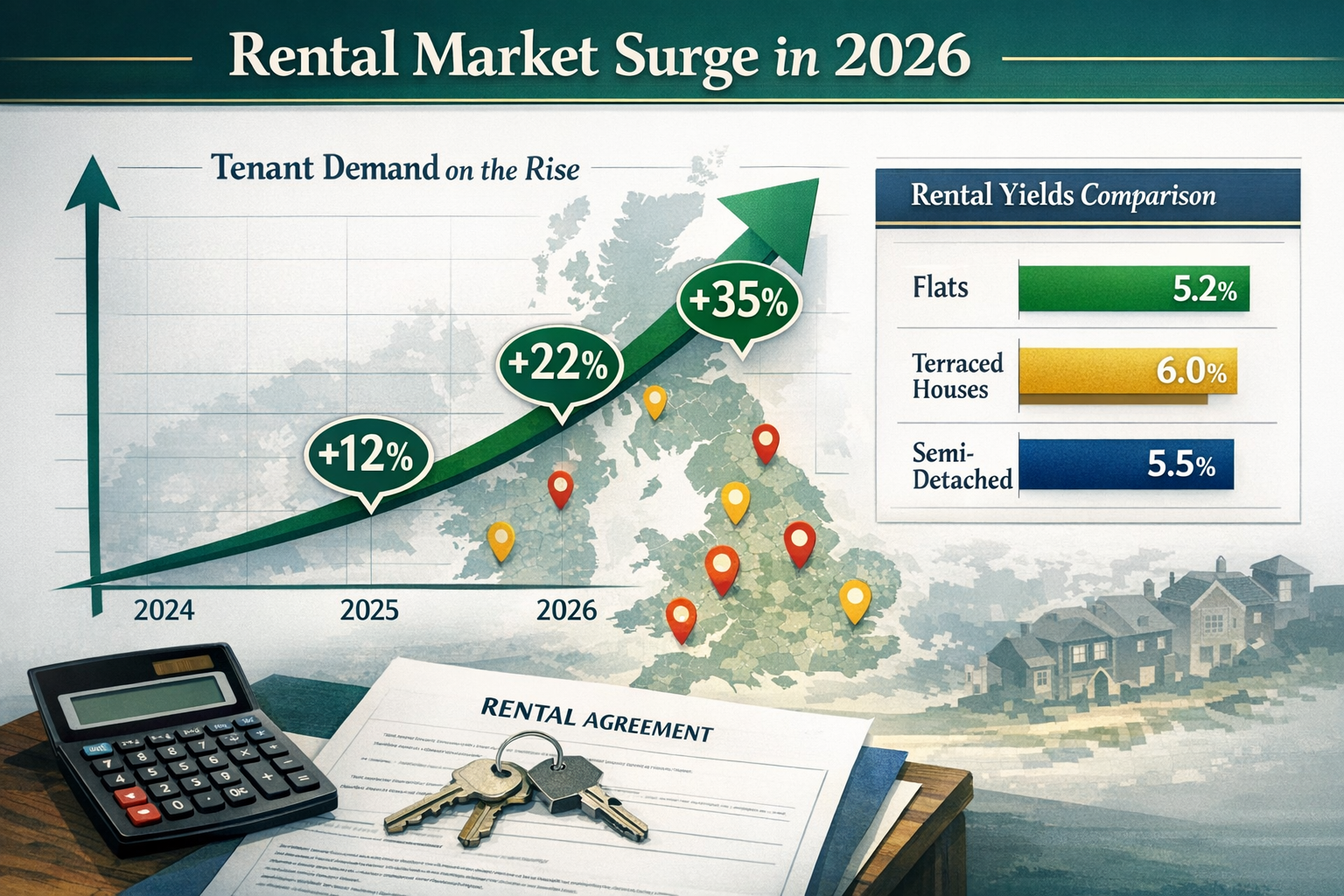
Accurate buy-to-let valuations require deep understanding of local rental markets and growth trajectories. Valuing buy-to-let properties in tenant demand surge: surveyor checklists for 2026 rental growth must incorporate forward-looking market analysis alongside physical property assessment.
Analyzing Local Rental Market Dynamics
Professional surveyors examine multiple market indicators when valuing buy-to-let properties:
Supply and Demand Metrics:
- Current rental property availability in the area
- Average time to let for comparable properties
- Tenant demographic profiles and requirements
- Seasonal demand variations
- Competition from new developments
Rental Price Trends:
- Historical rental growth rates (3-5 year analysis)
- Current asking rents versus achieved rents
- Rental price per square foot comparisons
- Premium features commanding higher rents
- Void period expectations
Areas experiencing tenant demand surges often see rental prices outpace property value increases, improving gross yields. However, surveyors must distinguish sustainable growth from temporary market distortions [7].
Comparable Property Analysis
RICS standards require buy-to-let valuations to incorporate detailed comparable analysis of both capital values and rental income [3]. Effective comparables must match:
Property Characteristics:
- Property type (flat, terraced, semi-detached, detached)
- Number of bedrooms and bathrooms
- Overall condition and specification
- Outdoor space provision
- Parking availability
Location Factors:
- Same neighborhood or comparable area
- Similar transport accessibility
- Equivalent local amenities
- Matching property tenure type
Transaction Timing:
- Recent sales (within 6 months preferred)
- Current rental agreements
- Market condition consistency
Surveyors working in areas like Kingston or Harrow maintain extensive databases of comparable transactions, enabling precise valuation benchmarking.
Investment Return Calculations
Beyond simple yield calculations, professional buy-to-let valuations incorporate sophisticated investment metrics:
Return on Investment (ROI) Analysis:
- Total acquisition costs (purchase price, stamp duty, fees)
- Annual rental income projections
- Operating expenses (management, maintenance, insurance)
- Mortgage costs and tax implications
- Capital appreciation expectations
Cash Flow Projections:
- Monthly rental income
- Mortgage payments and interest costs
- Maintenance reserve requirements
- Void period allowances
- Management fees
Break-Even Analysis:
- Time to positive cash flow
- Occupancy rate requirements for profitability
- Sensitivity to interest rate changes
- Impact of unexpected repair costs
These calculations help investors understand whether properties represent sound investments at current valuations. Properties requiring extensive improvements need careful analysis to ensure post-renovation values justify total investment costs.
Future-Proofing Valuations for 2026 and Beyond
Forward-thinking surveyors consider emerging trends affecting buy-to-let values:
Regulatory Changes:
- Anticipated EPC rating requirement increases
- Potential rent control implementations
- Tax treatment modifications
- Licensing scheme expansions
Market Evolution:
- Remote working impact on location preferences
- Sustainability and eco-friendly feature demand
- Technology integration expectations
- Demographic shifts in tenant populations
Area Development:
- Planned transport infrastructure improvements
- Commercial and residential development projects
- Regeneration initiatives
- School rating changes
Properties positioned to benefit from these trends may justify premium valuations despite current market conditions. Conversely, properties vulnerable to negative regulatory or market shifts require valuation discounts reflecting increased investment risk.
Professional Survey Types and Cost Considerations
Understanding which survey type suits specific buy-to-let investment scenarios helps investors balance thoroughness with cost efficiency.
Survey Level Selection
RICS Home Survey Level 2 (HomeBuyer Report):
- Suitable for conventional properties in reasonable condition
- Visual inspection of accessible areas
- Identifies significant defects requiring attention
- Provides market valuation and insurance reinstatement figure
- Cost-effective for straightforward buy-to-let purchases
RICS Home Survey Level 3 (Building Survey):
- Comprehensive inspection of all accessible areas
- Detailed defect analysis and repair recommendations
- Essential for older properties, unusual construction, or significant alterations
- No valuation included (unless specifically requested)
- Recommended for properties requiring substantial assessment
For buy-to-let investors, structural surveys often prove worthwhile despite higher costs, as they reveal issues that significantly impact rental viability and long-term investment returns [4].
Understanding Survey Pricing
Multiple factors influence structural survey pricing:
Property Characteristics:
- Property size and complexity
- Age and construction type
- Location and accessibility
- Number of outbuildings or annexes
Survey Scope:
- Level 2 versus Level 3 comprehensiveness
- Additional specialist reports (damp, electrical, drainage)
- Valuation inclusion requirements
- Report turnaround urgency
Surveyor Expertise:
- RICS qualification and experience
- Local market specialization
- Buy-to-let specific knowledge
- Professional indemnity insurance coverage
While survey costs represent additional upfront expenses, they pale in comparison to discovering major defects after purchase. Professional surveys frequently identify issues enabling price renegotiation that exceeds survey fees multiple times over.
Specialist Assessments for Buy-to-Let Properties
Certain property types or conditions require additional specialist reports:
Damp and Timber Surveys:
Properties showing moisture indicators need detailed damp and timber reports identifying causes, extent, and remediation costs.
Electrical Condition Reports:
Older properties or those with outdated electrical systems require professional electrical surveys ensuring tenant safety and regulatory compliance.
Drainage Surveys:
Properties with drainage concerns benefit from CCTV drainage surveys revealing underground pipe condition and potential costly repairs.
Energy Efficiency Assessments:
Properties with poor EPC ratings need detailed assessments identifying cost-effective improvement measures and post-improvement rating projections.
Comprehensive surveyor checklists identify when specialist assessments prove necessary, ensuring investors understand total property condition before completing purchases.
Maximizing Buy-to-Let Value Through Strategic Improvements

Professional surveyors don't merely identify defects—they provide strategic guidance on improvements maximizing rental income and property value.
High-Return Improvement Priorities
Not all property improvements deliver equal returns. Surveyors help prioritize investments based on:
Essential Repairs:
- Structural issues affecting habitability
- Safety-critical system failures
- Regulatory compliance requirements
- Weather protection and weatherproofing
Value-Adding Upgrades:
- Kitchen and bathroom modernization
- Energy efficiency improvements
- Additional bathroom provision
- Off-street parking creation
- Garden landscaping and outdoor space optimization
Rental Premium Features:
- High-speed broadband infrastructure
- Smart home technology integration
- Quality flooring and neutral decoration
- Built-in storage solutions
- Security systems and secure entry
Strategic improvements should generate rental income increases exceeding annual cost recovery expectations. Surveyors with buy-to-let expertise understand which improvements tenants value most in specific markets.
EPC Improvement Strategies
With regulatory pressure increasing around energy efficiency, strategic EPC improvements prove increasingly valuable:
Cost-Effective EPC Upgrades:
- Loft and cavity wall insulation (often grant-assisted)
- Boiler replacement with modern condensing models
- LED lighting throughout
- Draught-proofing measures
- Heating controls and thermostatic radiator valves
Higher-Investment Options:
- Double or triple glazing replacement
- Solar panel installation
- External wall insulation
- Heat pump systems
- Renewable energy integration
Properties achieving EPC ratings of C or above command rental premiums while future-proofing against anticipated regulatory changes. Reinstatement cost valuations help investors understand insurance implications of property improvements.
Tenant Retention Features
Reducing void periods and tenant turnover significantly impacts buy-to-let profitability. Surveyors identify features promoting tenant satisfaction:
Practical Amenities:
- Adequate storage throughout
- Modern appliances and white goods
- Quality fixtures and fittings
- Effective heating and hot water
- Sound insulation between rooms
Lifestyle Features:
- Outdoor space for relaxation
- Home office potential
- Pet-friendly considerations
- Bike storage provision
- Communal facilities (for flats)
Properties offering these features experience shorter void periods and attract quality tenants willing to pay premium rents, directly impacting investment returns.
Working with RICS-Qualified Surveyors for Buy-to-Let Success
The surveyor selection process significantly impacts valuation accuracy and investment decision quality.
Essential Surveyor Qualifications
RICS qualification represents the gold standard for property surveyors, but buy-to-let valuations require additional specialization:
Core Requirements:
- RICS membership (MRICS or FRICS designation)
- Professional indemnity insurance
- Continuing professional development compliance
- Clean regulatory record
Buy-to-Let Specialization:
- Demonstrated rental market expertise
- Local area knowledge and market intelligence
- Experience with investment property valuations
- Understanding of landlord regulations and compliance
- Yield calculation and investment analysis capability
Surveyors lacking buy-to-let specialization may overlook critical factors affecting rental viability and investment returns. When selecting surveyors, investors should verify relevant experience and local market knowledge.
Questions to Ask Potential Surveyors
Before engaging a surveyor for buy-to-let property valuation, investors should ask:
Experience and Expertise:
- How many buy-to-let valuations do you complete annually?
- What percentage of your work involves investment properties?
- Do you have experience with properties in this specific area?
- Can you provide references from other landlord clients?
Valuation Approach:
- How do you assess rental income potential?
- What comparable properties do you use for analysis?
- Do you provide yield calculations and investment metrics?
- How do you account for improvement potential in valuations?
Report Content:
- What does your survey report include?
- Do you provide rental optimization recommendations?
- Will you identify regulatory compliance issues?
- Can you recommend trusted contractors for identified repairs?
Timing and Communication:
- What is your typical report turnaround time?
- Are you available for follow-up questions?
- Can you attend the property with me during inspection?
- Do you provide verbal preliminary findings?
Comprehensive responses to these questions indicate professional surveyors committed to delivering value beyond basic property inspection.
Interpreting Survey Reports for Investment Decisions
Professional survey reports contain extensive information requiring careful interpretation:
Critical Sections for Buy-to-Let Investors:
- Executive summary of major defects
- Detailed condition ratings for building elements
- Estimated repair and maintenance costs
- Regulatory compliance status
- Market valuation and rental income assessment
- Comparable property analysis
- Investment return projections
Red Flags Requiring Attention:
- Structural issues requiring immediate remediation
- Safety-critical defects affecting tenant welfare
- Regulatory compliance failures preventing letting
- Excessive ongoing maintenance requirements
- Rental income projections below market expectations
Survey reports should inform negotiation strategies, with significant defects justifying purchase price reductions or vendor-funded repairs. Properties requiring extensive work need careful financial modeling ensuring post-improvement values justify total investment.
Conclusion
Valuing buy-to-let properties in tenant demand surge: surveyor checklists for 2026 rental growth represents far more than simple property assessment—it requires sophisticated analysis balancing physical condition, market dynamics, regulatory compliance, and investment return potential. As tenant demand continues surging amid constrained housing supply, accurate valuations become increasingly critical for landlord success.
Professional RICS-qualified surveyors bring essential expertise to buy-to-let valuations, examining properties through investment lenses that standard valuations miss entirely. Comprehensive surveyor checklists assess structural integrity, building systems, energy efficiency, tenant appeal factors, and regulatory compliance—elements directly impacting rental income and long-term property value.
The 2026 rental market rewards investors who prioritize thorough due diligence over rushed purchases. Properties that appear attractively priced may harbor hidden defects or compliance issues that devastate investment returns. Conversely, properties requiring strategic improvements may offer exceptional value when purchased at appropriate prices with clear renovation plans.
Actionable Next Steps
For prospective buy-to-let investors:
- Engage RICS-qualified surveyors with demonstrated buy-to-let expertise and local market knowledge before making purchase offers
- Request comprehensive Level 3 surveys for older properties or those requiring significant assessment
- Demand detailed rental market analysis including comparable property research and yield calculations
- Factor survey findings into negotiations, using identified defects to justify price reductions or vendor-funded repairs
- Develop strategic improvement plans prioritizing high-return upgrades that maximize rental income and property value
- Verify regulatory compliance across all areas, ensuring properties meet current and anticipated letting standards
For existing landlords:
- Commission periodic property valuations to understand current asset values and rental optimization opportunities
- Address identified maintenance issues proactively before they escalate into major defects
- Implement strategic improvements that enhance tenant appeal and justify rental increases
- Monitor local market trends to ensure rental pricing remains competitive yet maximizes returns
- Maintain comprehensive documentation of all improvements, safety certificates, and compliance measures
The tenant demand surge of 2026 creates exceptional opportunities for informed investors armed with professional surveyor insights. Properties accurately valued and strategically improved deliver sustainable rental income and long-term capital appreciation, transforming buy-to-let investments from speculative ventures into reliable wealth-building assets.
Success in today's competitive rental market demands more than property ownership—it requires professional expertise, comprehensive due diligence, and strategic planning. By following professional surveyor checklists and prioritizing thorough property assessment, investors position themselves to capitalize on rental growth while avoiding costly mistakes that undermine investment returns.
References
[1] Help To Buy Valuations – https://hoa.org.uk/advice/guides-for-homeowners/i-am-selling/help-to-buy-valuations/
[2] Buy To Let Property Checks – https://www.landlordvision.co.uk/blog/buy-to-let-property-checks/
[3] Valuation of buy-to-let and HMO properties 2nd edition – https://www.rics.org/content/dam/ricsglobal/documents/standards/Valuation%20of%20buy-to-let%20and%20HMO%20properties_2nd%20edition.pdf
[4] Buy To Let Surveys – https://www.alanrancesurveyors.co.uk/buy-to-let-surveys/
[5] Buy To Let Landlord Guide – https://sdlsurveying.co.uk/advice/buy-to-let-landlord-guide/
[6] Buy To Let Property Checklists – https://www.propertychecklists.co.uk/categories/Buy-to-Let-Property-Checklists
[7] A Landlord Checklist When You Buy To Let – https://www.robertellis.co.uk/news/a-landlord-checklist-when-you-buy-to-let/
[8] Valuation – https://www.isurv.com/downloads/134/valuation