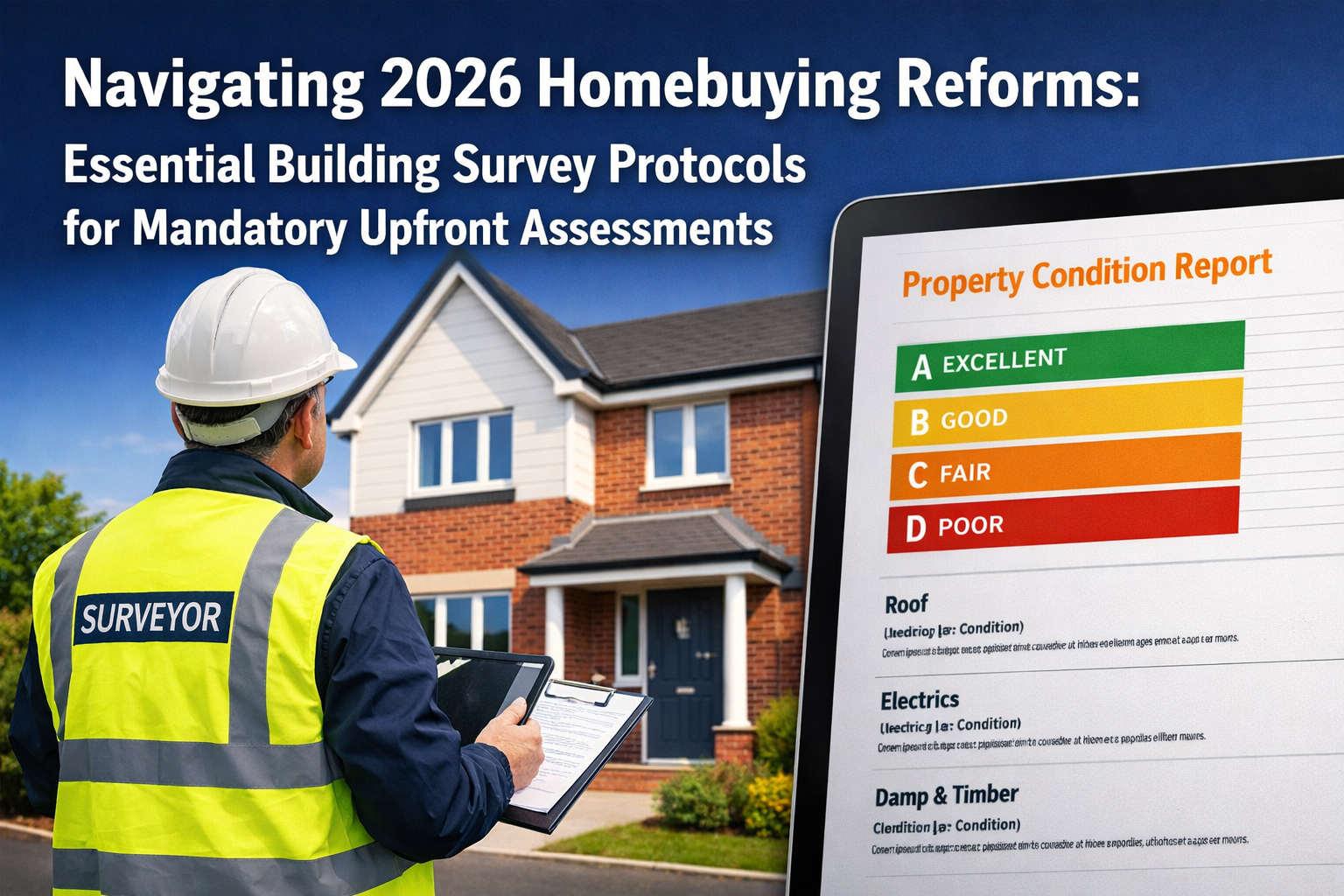

The UK property market has entered a new era. As of 2026, mandatory upfront condition assessments have fundamentally transformed how buyers and sellers approach property transactions. Gone are the days when surveys happened late in the buying process—often after significant emotional and financial commitment. Today's homebuyers must navigate a reformed landscape where property inspections occur earlier, providing greater transparency but requiring new strategies and understanding.
Navigating 2026 homebuying reforms: essential building survey protocols for mandatory upfront assessments represents more than just regulatory compliance. It's about understanding how these changes protect buyers, streamline transactions, and establish new standards for property condition reporting. Whether you're a first-time buyer or an experienced property investor, mastering these protocols is essential for successful property acquisition in the current market.
Key Takeaways
- 🏠 Mandatory upfront assessments now require condition surveys earlier in the transaction timeline, shifting from post-offer to pre-commitment stages
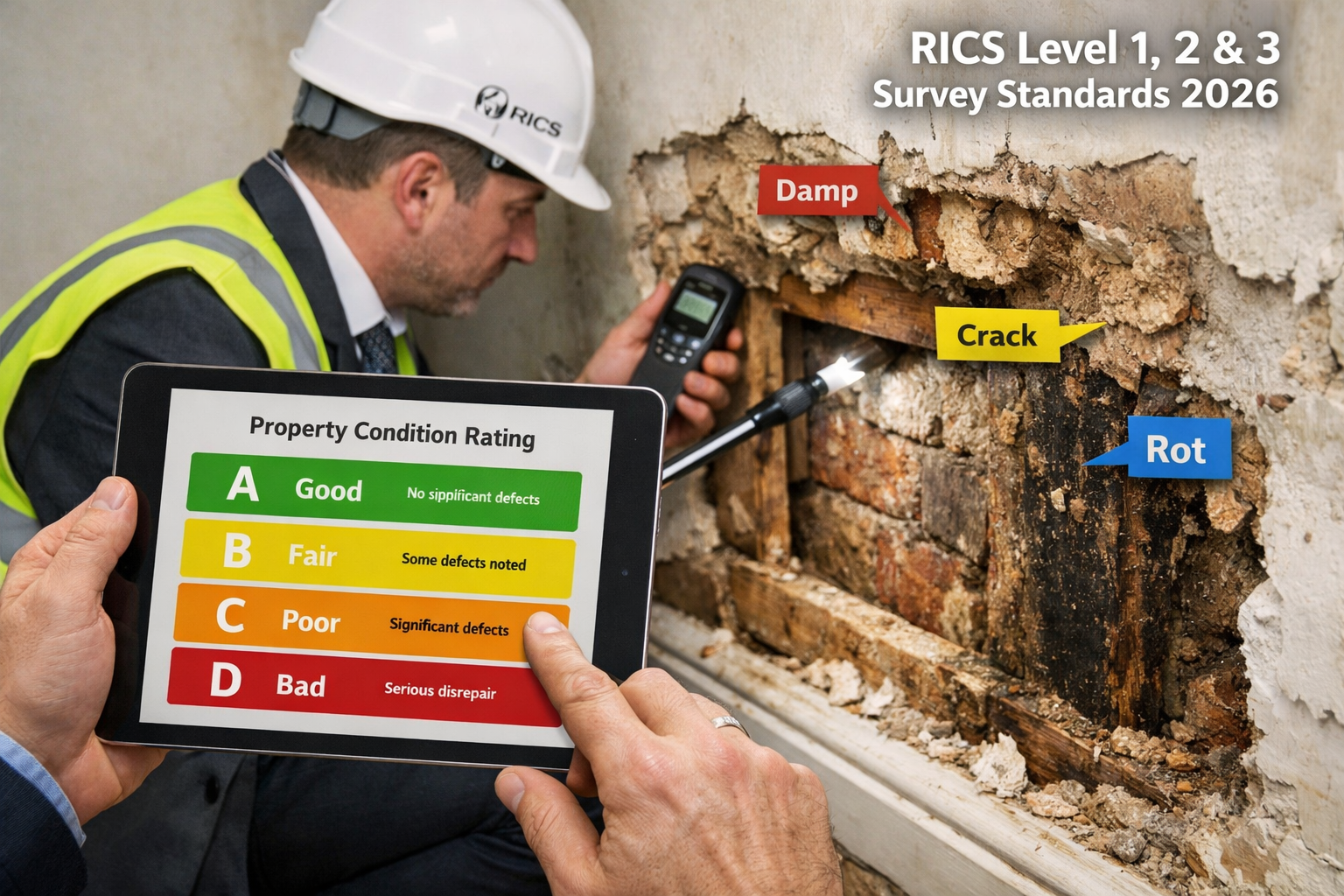
- 📊 Standardized RICS survey levels (Level 1, 2, and 3) provide clear frameworks for different property types and buyer needs
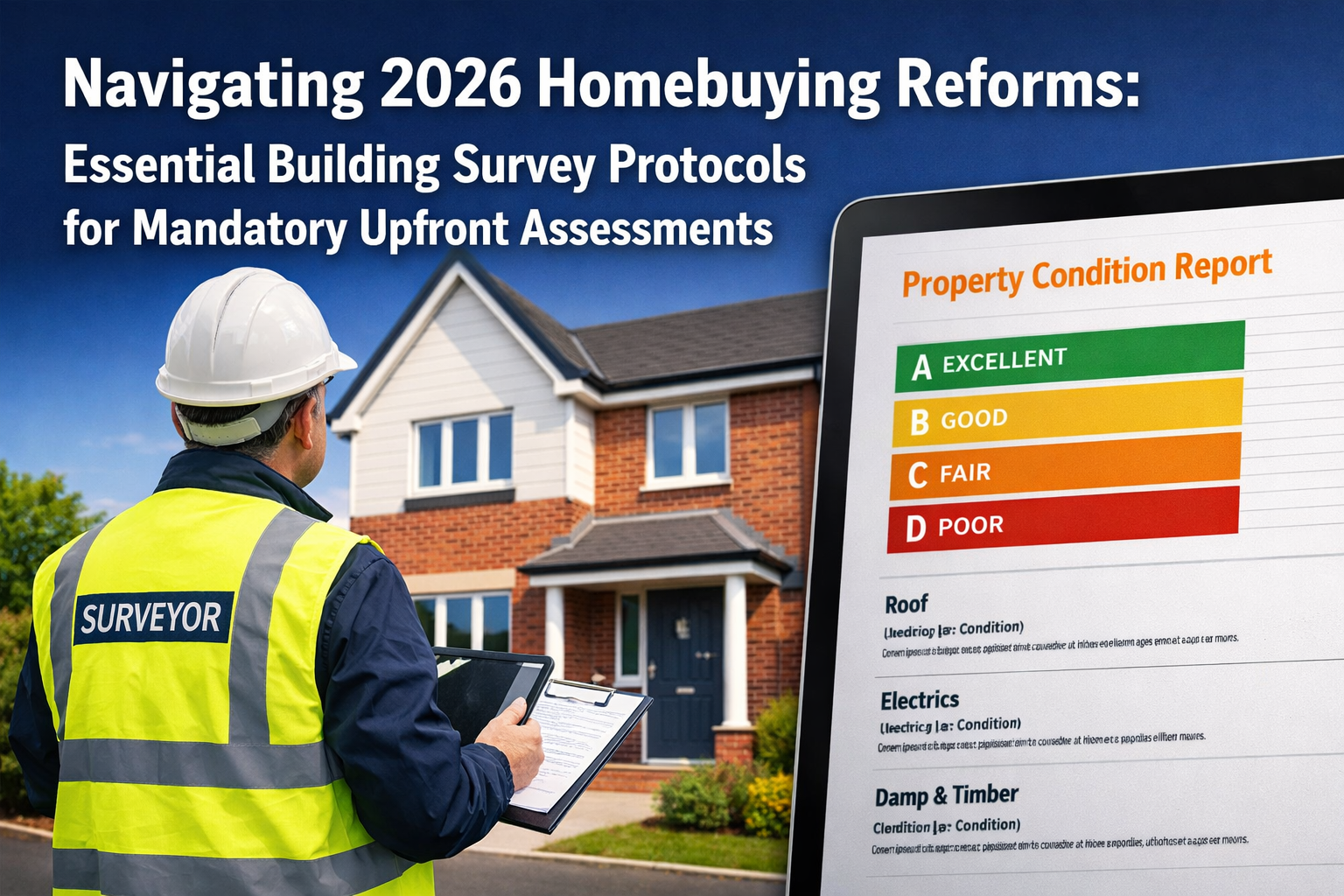
- ✅ Government grading systems (A-D condition ratings with 1-4 priority classifications) ensure consistent reporting across all surveys
- 💰 Enhanced negotiating power for buyers who can identify defects before contract exchange and adjust offers accordingly
- 📋 Comprehensive documentation requirements including photographs, site plans, priority-rated recommendations, and compliance assessments
Understanding the 2026 Homebuying Reform Landscape
What Changed in 2026?
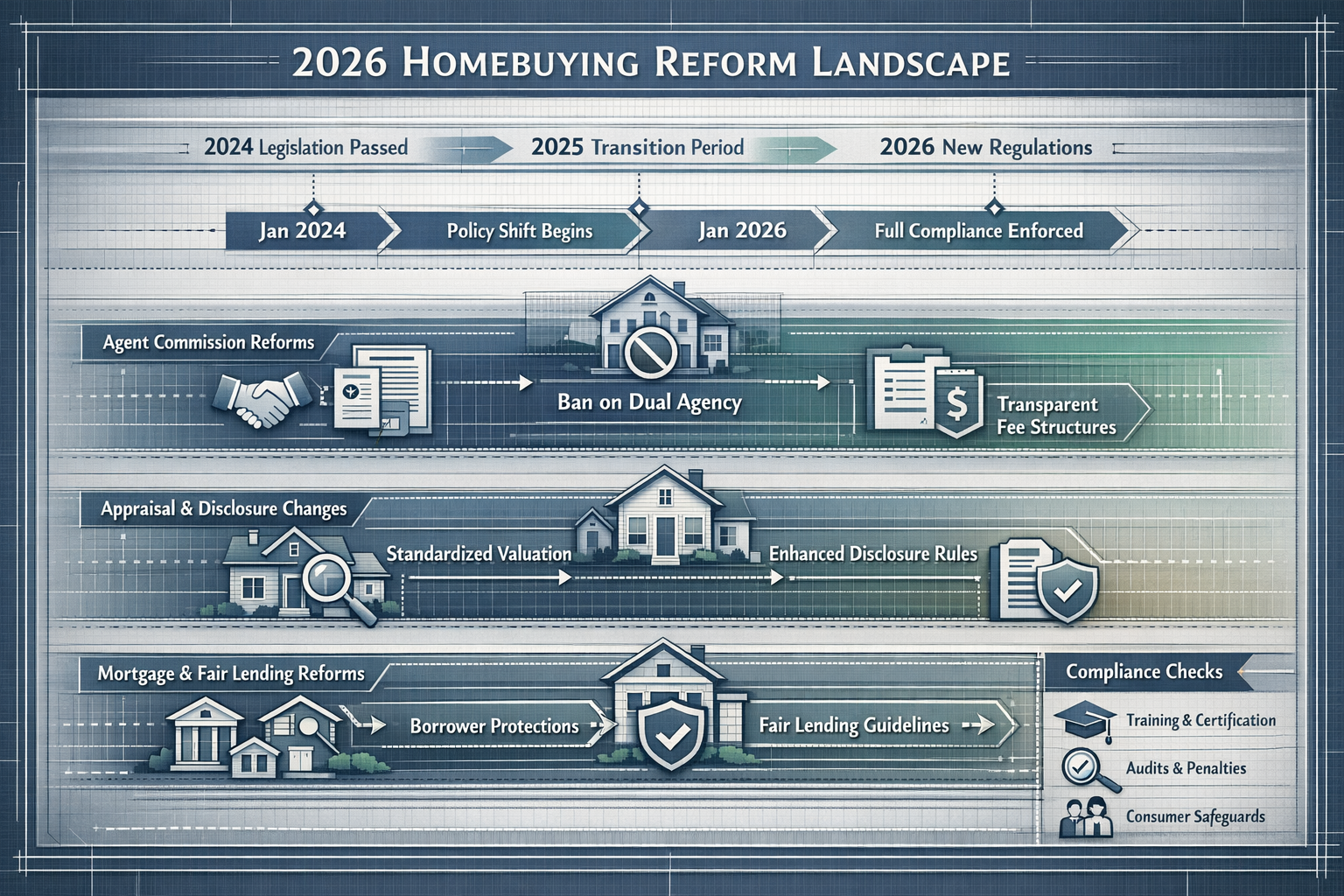
The 2026 homebuying reforms represent the most significant shift in UK property transactions in decades. Mandatory upfront condition assessments are now in effect, fundamentally altering when and how property inspections occur [1]. Previously, buyers typically commissioned surveys after making an offer and investing considerable time and emotion into a property. This often led to difficult decisions when serious defects emerged late in the process.
Under the new framework, condition inspections must happen earlier in the buying process rather than at the traditional point in the transaction [1]. This shift provides several critical advantages:
- Greater transparency before buyers commit financially or emotionally
- Reduced transaction fall-throughs due to unexpected survey findings
- Improved negotiating position for addressing defects before exchange
- Faster overall transaction times when issues are identified early
The reforms also established official government guidance on condition surveys published February 25, 2026 [3], creating interim standards while comprehensive technical standards are finalized. These guidelines set the foundation for broader building assessment protocols across residential, commercial, and institutional properties.
The RICS Standardized Survey Framework
Central to navigating 2026 homebuying reforms: essential building survey protocols for mandatory upfront assessments is understanding the three standardized RICS survey levels implemented following March 2021 format updates [2]:
| Survey Level | Former Name | Best For | Typical Cost |
|---|---|---|---|
| Level 1 | Condition Report | New-build or modern properties in good condition | £300-£500 |
| Level 2 | Homebuyer Report | Standard properties built post-1950s in reasonable condition | £400-£900 |
| Level 3 | Building Survey | Properties over 50 years old, unusual construction, listed buildings, poor condition | £630-£1,500+ |
For most buyers navigating the new mandatory assessment requirements, a RICS Building Survey Level 3 provides the most comprehensive evaluation. This detailed inspection examines all accessible areas of the property, identifying defects, providing repair guidance, and offering maintenance advice.
RICS Home Survey Level 3 costs range from £630 to £1,500 or more depending on property complexity and location [2]. While this represents a significant investment, the upfront assessment can prevent costly surprises and provide substantial negotiating leverage.
Government-Mandated Grading and Priority Systems
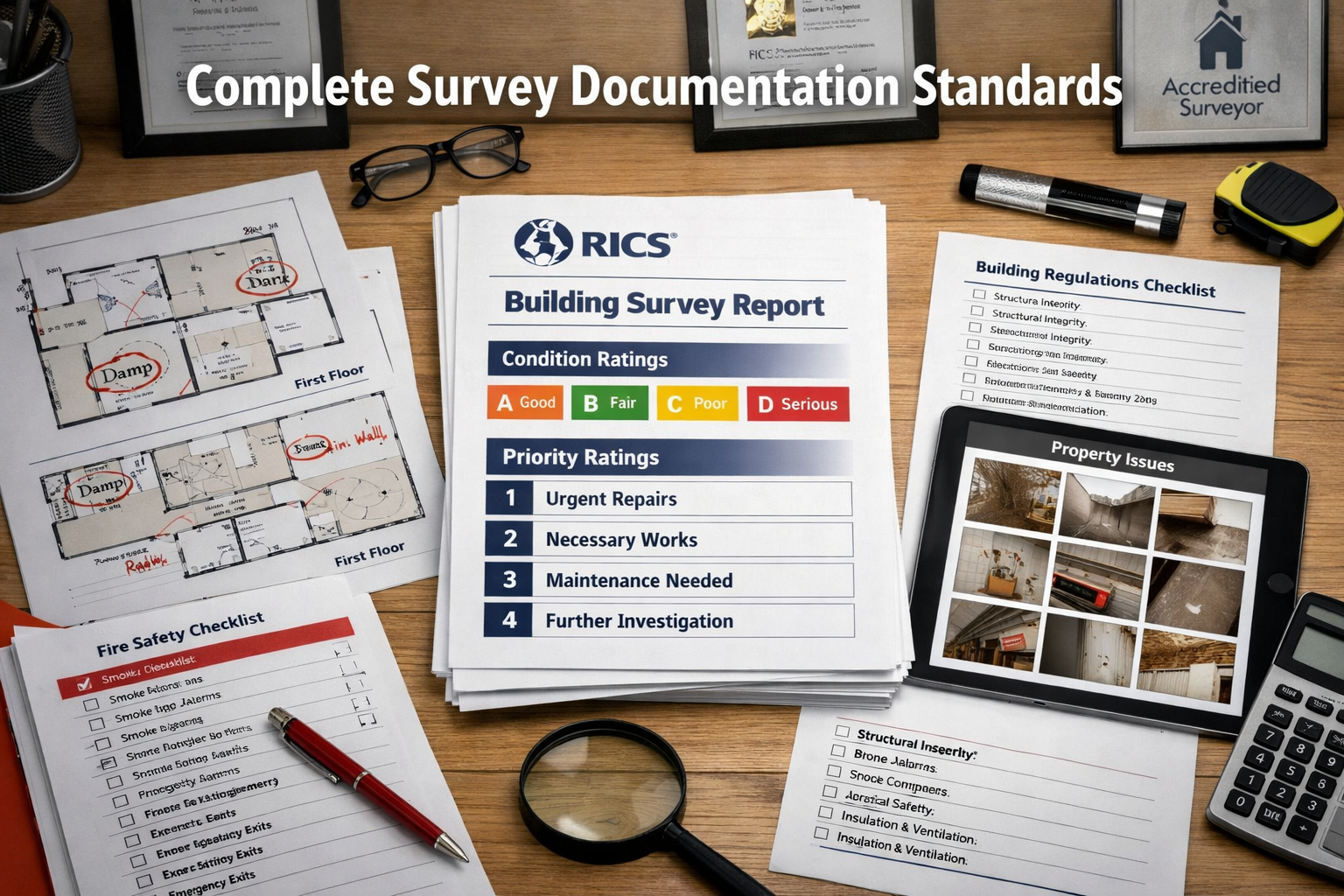
A cornerstone of the 2026 reforms is the standardized A-D grading system with 1-4 priority ratings now established as the government standard for condition assessments [3]:
Condition Grades:
- Grade A: Good condition requiring only normal maintenance
- Grade B: Satisfactory condition with minor deterioration
- Grade C: Poor condition requiring significant repair or replacement
- Grade D: Very poor condition with serious defects requiring urgent attention
Priority Ratings:
- Priority 1: Urgent works required immediately
- Priority 2: Essential works needed within 2 years
- Priority 3: Desirable works within 3-5 years
- Priority 4: Long-term maintenance beyond 5-year planning horizon
This standardization enables consistency across the surveying industry, allowing buyers to quickly understand the severity of issues and plan remedial budgets accordingly. When reviewing your mandatory upfront assessment, these grades provide immediate clarity on property condition and required investment.
Essential Building Survey Protocols for Mandatory Upfront Assessments
Timing and Coordination Requirements
The most significant operational change in navigating 2026 homebuying reforms: essential building survey protocols for mandatory upfront assessments involves earlier property inspections now mandated before exchange of contracts [5]. This timeline shift requires careful coordination between multiple parties:
Seller Responsibilities:
- Arrange access for qualified surveyors during marketing period
- Provide building documentation, warranties, and compliance certificates
- Respond promptly to surveyor queries about property history
- Consider pre-listing surveys to identify issues proactively
Buyer Responsibilities:
- Commission surveys early in the viewing process
- Select appropriate survey level based on property characteristics
- Review reports thoroughly before making formal offers
- Use findings to negotiate price adjustments or remedial works
Surveyor Coordination:
- Schedule inspections within compressed timeframes
- Deliver reports promptly to maintain transaction momentum
- Provide clear, actionable recommendations for identified defects
- Remain available for follow-up questions during negotiation
This earlier assessment timeline allows buyers greater negotiating power to address defects before commitment [5], though it requires coordination with sellers and their representatives. For those purchasing properties in areas like West London or North London, working with local chartered surveyors familiar with regional property characteristics can streamline this process.
Mandatory Documentation and Reporting Standards
Under the 2026 reforms, survey reports must now include mandatory documentation elements [3]:
✅ Detailed condition assessments with standardized A-D grades for all major building elements
✅ Priority-rated recommendations for remedial works using the 1-4 classification system
✅ Marked-up site plans highlighting defect locations for easy reference
✅ Referenced photographs of identified issues with clear labeling and context
✅ Clear statements of assumptions, limitations, and access restrictions encountered
✅ Identified access restrictions that prevented full inspection of certain areas
This standardization ensures transparency and comprehensive reporting across all surveys, regardless of surveyor or property type. When reviewing your mandatory upfront assessment, verify that all these elements are present and clearly presented.
For properties requiring more specialized investigation, surveyors may recommend additional assessments such as a specialist defect survey or specific defect report to examine particular concerns in greater depth.
Selecting the Appropriate Survey Level
Choosing the right survey type is critical when navigating 2026 homebuying reforms: essential building survey protocols for mandatory upfront assessments. The different types of survey comparison helps buyers understand which option suits their needs:
When to Choose Level 1 (Condition Report):
- Property is less than 10 years old
- Modern construction with no visible defects
- Standard design and materials
- Buyer seeks basic condition overview only
When to Choose Level 2 (Homebuyer Survey):
- Property built after 1950s
- Conventional construction in reasonable condition
- No major alterations or extensions
- Buyer wants defect identification plus optional valuation
When to Choose Level 3 (Building Survey):
- Property over 50 years old
- Listed building or conservation area property
- Unusual construction methods or materials
- Significant alterations or extensions
- Visible signs of defects or poor maintenance
- Buyer planning major renovation works
For most properties subject to mandatory upfront assessments, a Level 2 Homebuyer Survey provides adequate detail, while older or more complex properties benefit from the comprehensive analysis of a building survey.
Enhanced Regulatory Compliance Requirements
Building safety regulations have been significantly redefined in 2026 [4], adding complexity to survey protocols. Surveyors must now help clients navigate enhanced regulatory requirements including:
🔥 Mandatory fire safety strategies for higher-risk buildings
🏢 Increased focus on multi-occupancy residential properties
🏫 Commercial and educational property compliance verification
♿ Accessibility standards assessment and reporting
🌡️ Thermal performance and energy efficiency evaluation
These expanded requirements mean that surveys now extend beyond traditional structural and condition assessments to encompass broader compliance considerations. When commissioning your mandatory upfront assessment, discuss with your surveyor which regulatory aspects apply to your specific property type.
Practical Implementation: Navigating 2026 Homebuying Reforms Successfully
Pre-Survey Preparation Steps
Successful navigation of the mandatory upfront assessment process begins with thorough preparation:
For Buyers:
- Research property history through Land Registry, planning records, and local authority searches
- Review energy performance certificates (EPCs) and existing documentation
- Identify specific concerns to discuss with surveyor before inspection
- Budget appropriately for survey costs and potential follow-up investigations
- Schedule surveys early in the viewing process to maintain transaction momentum
For Sellers:
- Gather building documentation including warranties, guarantees, and compliance certificates
- Consider pre-listing surveys to identify and address issues proactively
- Ensure property access to all areas including lofts, basements, and outbuildings
- Prepare property history including details of alterations, repairs, and maintenance
- Be transparent about known defects to build buyer confidence
Understanding surveyor pricing and rates helps buyers budget appropriately for these mandatory assessments while avoiding unnecessary cost surprises.
Optional Survey Extensions and Specialist Testing
Beyond the standard mandatory upfront assessment, optional survey extensions now include structural engineering assessments, specialist testing, and compliance reviews [3]:
Structural Engineering Assessments:
- Detailed analysis of significant structural defects
- Load-bearing capacity calculations for alterations
- Foundation movement investigation
- Subsidence and settlement evaluation
Specialist Testing Services:
- Asbestos surveys for properties built before 2000
- Damp and timber investigations
- Thermal imaging for insulation defects
- Drainage surveys using CCTV technology
Compliance Reviews:
- Fire safety compliance verification
- Building regulation approval confirmation
- Accessibility standards assessment
- Energy performance optimization
These extensions allow buyers to customize surveys beyond the standard assessment based on specific property concerns. For example, properties in areas like Surrey or Hertfordshire with clay soil conditions may benefit from additional subsidence investigations.
Interpreting Survey Results and Negotiating Strategies
Once you receive your mandatory upfront assessment, effective interpretation and negotiation become critical:
Understanding Priority Ratings:
The 1-4 priority system helps you categorize required works:
- Priority 1 issues require immediate attention and should be addressed before purchase or reflected in significant price reductions
- Priority 2 works need completion within 2 years and should factor into purchase price negotiations
- Priority 3 items represent medium-term maintenance that buyers can plan for post-purchase
- Priority 4 elements are long-term considerations that shouldn't significantly impact immediate negotiations
Negotiation Approaches:
- Price Reduction: Request reduction equivalent to estimated repair costs plus contingency
- Seller Remediation: Require seller to complete specific repairs before completion
- Retention: Hold back funds in escrow until works are completed post-purchase
- Warranty Solutions: Request insurance-backed warranties for specific defects
- Walk Away: For properties with excessive Priority 1 issues, consider terminating the transaction
The earlier timing of mandatory upfront assessments provides buyers greater negotiating power to address defects before commitment [5], making this strategic use of survey findings more effective than under the previous system.
Digital Integration and Long-Term Property Management
The 2026 reforms embrace modern technology, with digital data formats and unique identifier systems now recommended practice for survey information [3]. This modernization offers several advantages:
📱 Digital Survey Delivery: Reports provided in searchable PDF and interactive formats
🔗 Property Passports: Integration with emerging digital property history systems
📊 Data Analytics: Ability to compare condition trends across similar properties
🗄️ Cloud Storage: Secure long-term storage of survey documentation
💻 Estate Management Integration: Compatibility with property management software
This digital approach enhances traceability and enables integration with digital estate management tools, creating a comprehensive property history that follows the building through ownership changes.
Building condition surveys should be conducted at least every 5 years for comprehensive assessment [3], with more frequent inspections recommended if concerns arise between planned cycles. This establishes a baseline for property condition monitoring throughout ownership, allowing homeowners to track deterioration and plan maintenance proactively.
Working with Qualified Professionals Under the New Framework
Surveyor Qualifications and Selection Criteria
Navigating 2026 homebuying reforms: essential building survey protocols for mandatory upfront assessments requires working with properly qualified professionals. Structural surveys now require qualified, independent professionals [3] with appropriate credentials:
Essential Qualifications:
- RICS (Royal Institution of Chartered Surveyors) membership
- Relevant professional indemnity insurance
- Demonstrated experience with similar property types
- Knowledge of local building characteristics and common defects
- Understanding of current building regulations and compliance requirements
Selection Considerations:
- Local expertise in your target area
- Specialization in your property type (period, listed, unusual construction)
- Availability to meet mandatory upfront assessment timelines
- Clear fee structures and service inclusions
- Professional communication and report clarity
For properties in specific locations, working with local chartered surveyors who understand regional characteristics can provide valuable insights beyond standard survey protocols.
Understanding Survey Limitations and Exclusions
Even comprehensive Level 3 surveys have inherent limitations that buyers must understand:
Standard Exclusions:
- Areas not accessible without specialist equipment
- Concealed elements behind fixed finishes
- Underground drainage beyond visible inspection points
- Electrical and gas installations (specialist testing required)
- Asbestos identification (specialist survey needed)
Weather-Dependent Limitations:
- Roof inspections may be restricted in adverse conditions
- Damp detection can be affected by recent weather
- Ground conditions may obscure drainage issues
Intrusive Investigation Requirements:
For detailed structural analysis, expectations include intrusive works that expose concealed building fabric, temporary operational disruption, higher costs, and longer lead times compared to standard surveys [3]. Buyers should understand when such investigations are necessary and budget accordingly.
Surveyors should clearly document these limitations in their reports, ensuring buyers understand what was and wasn't examined during the mandatory upfront assessment.
Cost Considerations and Value Assessment
Understanding the financial aspects of mandatory upfront assessments helps buyers budget appropriately:
Typical Survey Costs (2026):
- Level 1 Survey: £300-£500
- Level 2 Survey: £400-£900
- Level 3 Survey: £630-£1,500+
- Specialist Testing: £200-£800 per test
- Structural Engineering: £500-£2,000+
Cost Variables:
- Property size and complexity
- Geographic location
- Accessibility challenges
- Additional testing requirements
- Urgency and timeline constraints
While these costs may seem significant, they represent a small percentage of total property value and can prevent far more expensive surprises post-purchase. The mandatory upfront timing also means these costs are incurred earlier in the transaction process, requiring buyers to budget accordingly from the outset.
For detailed guidance on surveyor fees and what influences pricing, consult resources on understanding surveyor rates to ensure you're receiving fair value for the services provided.
Future-Proofing Your Property Investment
Ongoing Monitoring and Maintenance Planning
The mandatory upfront assessment is just the beginning of responsible property ownership. Effective long-term management requires:
Regular Inspection Schedule:
- Annual external inspection of roof, gutters, and drainage
- Bi-annual checks of heating and ventilation systems
- Five-yearly comprehensive condition surveys
- Immediate investigation of new defects or changes
Maintenance Budget Planning:
- Set aside 1-2% of property value annually for maintenance
- Prioritize works based on survey recommendations
- Address Priority 1 and 2 items promptly
- Plan for Priority 3 and 4 works over longer timeframes
Documentation Management:
- Maintain comprehensive property file with all surveys and reports
- Keep records of all maintenance and repair works
- Store warranties and guarantees systematically
- Update property passport with significant changes
This proactive approach prevents minor issues from developing into major defects and maintains property value over time.
Adapting to Evolving Regulations
The 2026 reforms represent an ongoing evolution rather than a final destination. Property owners and buyers should anticipate:
Emerging Requirements:
- Enhanced energy efficiency standards
- Stricter fire safety regulations for multi-occupancy buildings
- Expanded accessibility requirements
- Climate adaptation and flood resilience measures
Technology Integration:
- Increased use of drone surveys for roof and chimney inspection
- Thermal imaging becoming standard practice
- AI-assisted defect identification
- Blockchain-based property history verification
Staying informed about regulatory changes and technological advances ensures your property investment remains compliant and competitive in the evolving market.
Conclusion
Navigating 2026 homebuying reforms: essential building survey protocols for mandatory upfront assessments represents a fundamental shift in UK property transactions. The mandatory upfront assessment requirement transforms the traditional buying process, moving critical condition evaluations earlier in the timeline and providing buyers with greater transparency and negotiating power.
Success in this reformed landscape requires understanding the standardized RICS survey levels, the government-mandated A-D grading and 1-4 priority systems, and the enhanced documentation requirements that now govern all property condition assessments. Buyers must select appropriate survey levels based on property characteristics, work with qualified professionals, and interpret results strategically to inform purchase decisions and negotiations.
The reforms also emphasize digital integration, regulatory compliance, and long-term property management, creating a more comprehensive approach to building condition assessment that extends beyond the transaction itself. By embracing these changes and following the essential protocols outlined in this guide, buyers can navigate the 2026 homebuying landscape with confidence.
Actionable Next Steps
✅ Research your target property type and determine the appropriate RICS survey level
✅ Budget for mandatory upfront assessments early in your property search
✅ Identify qualified local surveyors with relevant experience and RICS accreditation
✅ Request comprehensive documentation including all mandatory reporting elements
✅ Review survey results thoroughly using the A-D grading and 1-4 priority systems
✅ Develop negotiation strategies based on identified defects and priority ratings
✅ Plan long-term maintenance using survey recommendations as your roadmap
✅ Stay informed about evolving regulations and compliance requirements
The mandatory upfront assessment framework provides unprecedented transparency in property transactions. By understanding and effectively implementing these essential building survey protocols, you can make informed decisions, negotiate effectively, and protect your property investment for years to come.
For comprehensive survey services that meet all 2026 mandatory assessment requirements, consider engaging experienced professionals who understand both the regulatory framework and local property characteristics. Whether you're purchasing a period property requiring a detailed Level 3 building survey or a modern home suitable for a Level 2 homebuyer survey, working with qualified surveyors ensures you navigate these reforms successfully.
References
[1] Impact Of Homebuying Reforms On Building Surveyors Mandatory Upfront Condition Assessments In 2026 – https://nottinghillsurveyors.com/blog/impact-of-homebuying-reforms-on-building-surveyors-mandatory-upfront-condition-assessments-in-2026
[2] What Sort Of Survey Should I Have – https://hoa.org.uk/advice/guides-for-homeowners/i-am-buying/what-sort-of-survey-should-i-have/
[3] Condition Surveys For School And College Buildings Guidance For Responsible Bodies – https://www.gov.uk/government/publications/commissioning-a-condition-survey-for-school-and-college-buildings/condition-surveys-for-school-and-college-buildings-guidance-for-responsible-bodies
[4] Things About Building Surveying You Need To Know In 2026 – https://mcessex.co.uk/2026/01/23/things-about-building-surveying-you-need-to-know-in-2026/
[5] Building Surveys Under New Homebuying Rules Earlier Inspections And Risk Mitigation In 2026 – https://nottinghillsurveyors.com/blog/building-surveys-under-new-homebuying-rules-earlier-inspections-and-risk-mitigation-in-2026