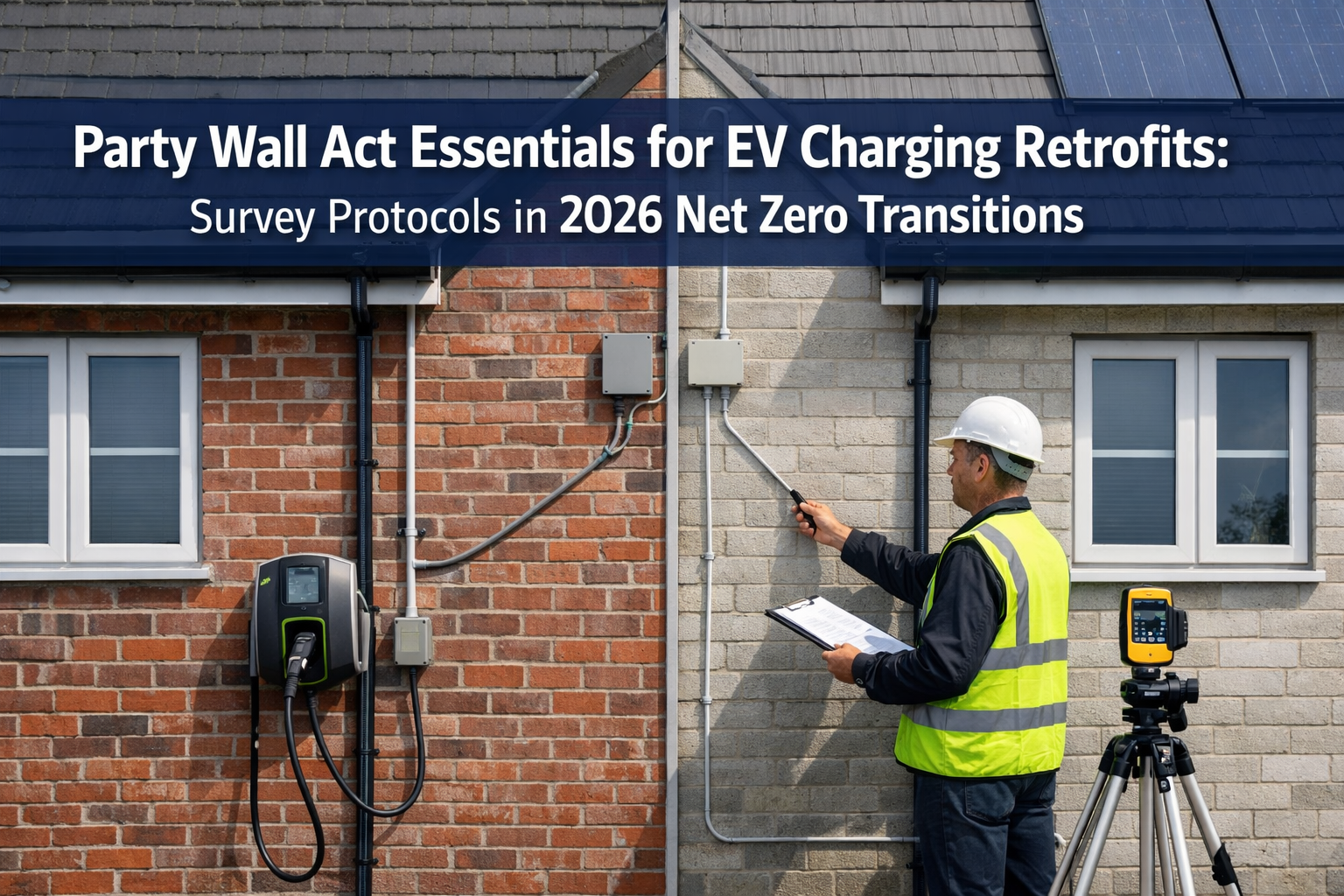

The Northern England property market is experiencing remarkable momentum in 2026, with buyer enquiries surging and prices climbing steadily across Manchester, Leeds, Liverpool, and Newcastle. For first-time buyers eager to secure their foothold on the property ladder, this competitive environment creates both opportunity and risk. Level 3 Building Surveys for First-Time Buyers in Northern England: Spotting Defects Amid 2026 Price Surge has become an essential strategy for identifying hidden structural problems before committing to what may be the largest financial decision of a lifetime.
As demand intensifies and properties receive multiple offers within days of listing, the temptation to skip comprehensive inspections grows stronger. However, the region's housing stock—dominated by Victorian and Edwardian terraces, stone-built cottages, and post-war semi-detached homes—presents unique challenges that superficial assessments simply cannot uncover. Understanding when and why to invest in a Level 3 Building Survey can mean the difference between a sound investment and a financial burden that derails homeownership dreams.
Key Takeaways
✅ Level 3 Building Surveys provide the most comprehensive property inspection available, essential for older Northern England properties with complex construction and potential hidden defects.
✅ Properties over 50-60 years old, those with visible structural issues, or buildings with unusual construction warrant detailed Level 3 assessment to avoid costly surprises after purchase.
✅ Survey costs range from £630 to over £1,500 but can save tens of thousands in unexpected repair expenses and provide powerful negotiation leverage in competitive markets.
✅ Reports use a traffic light system (Green/Amber/Red) to categorize defects by urgency, helping first-time buyers prioritize repairs and budget accurately for property maintenance.
✅ In 2026's surging Northern England market, comprehensive surveys protect buyers from overpaying for properties with serious structural problems masked by cosmetic improvements.
Understanding Level 3 Building Surveys in the Northern England Context
What Makes Level 3 Surveys Different
A Level 3 Building Survey represents the most thorough and comprehensive property inspection available to homebuyers in the UK.[1] Unlike basic valuations or Level 2 Homebuyer Surveys, which provide standardized assessments suitable for conventional properties in reasonable condition, Level 3 surveys deliver detailed analysis of a building's structural integrity, construction quality, and potential defects.[3]
The inspection goes far beyond surface-level observations. Chartered surveyors conducting Level 3 assessments examine:
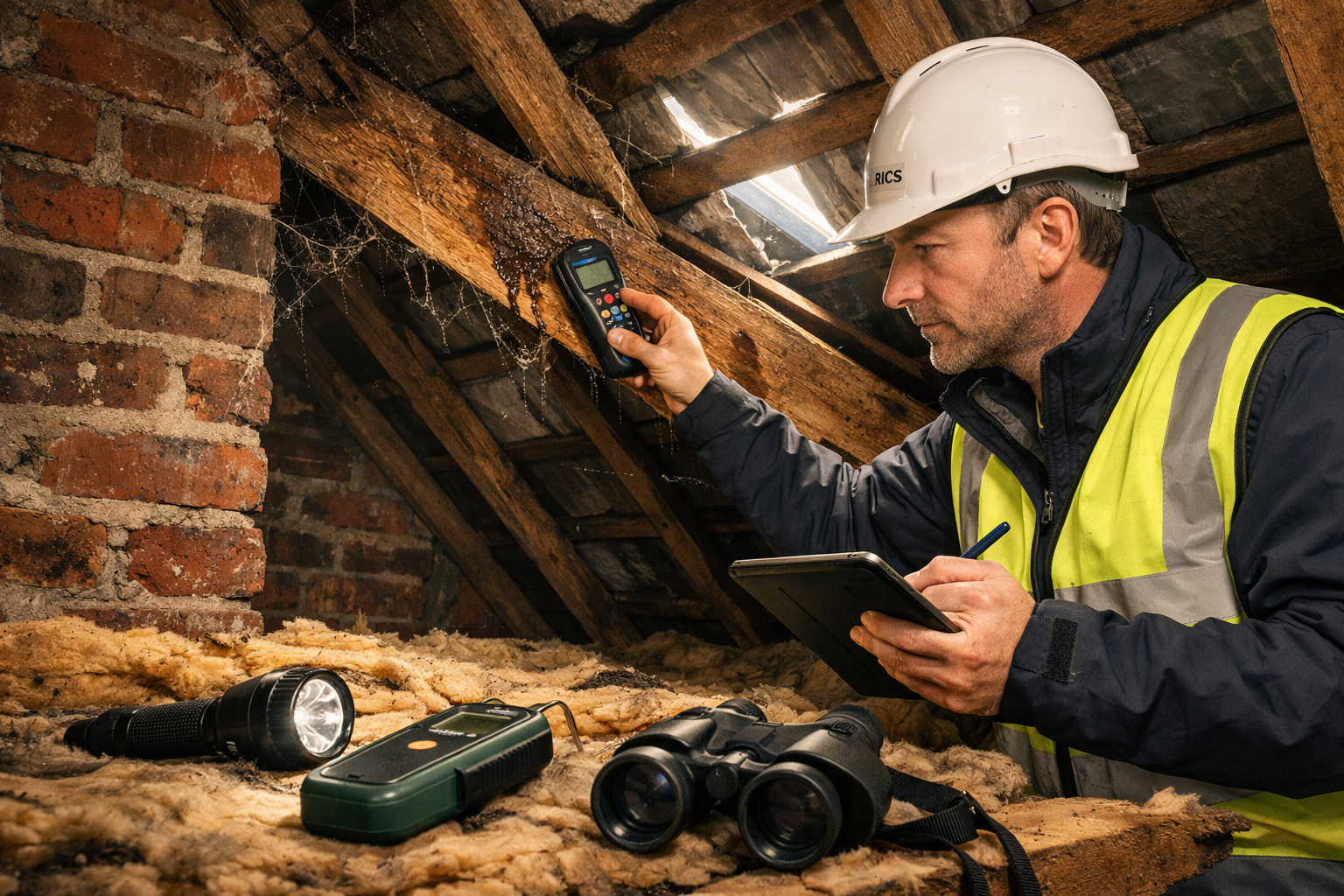
- Roof structures and coverings including access to loft spaces, timber condition, and evidence of water penetration
- External walls and foundations with detailed analysis of construction methods, materials, and structural movement
- Internal walls, floors, and ceilings including load-bearing elements and signs of settlement
- Dampness and condensation using specialized moisture detection equipment
- Electrical and plumbing systems with visual inspection of installations and service condition
- Drainage systems including inspection chambers and visible pipework
- Outbuildings, boundary walls, and external structures
For those comparing options, understanding the difference between Level 2 and Level 3 surveys clarifies why the more comprehensive approach matters for Northern England's older housing stock.
Why Northern England Properties Demand Comprehensive Assessment
Northern England's architectural heritage creates specific challenges that make Level 3 surveys particularly valuable. The region's housing stock includes:
Victorian and Edwardian Terraces 🏘️
These properties, abundant in Manchester, Leeds, and Liverpool, typically feature solid brick walls without cavity insulation, lime mortar that requires different maintenance than modern cement, and original slate roofs that may be reaching the end of their serviceable life. Hidden issues like chimney breast removal without proper support, rising damp from failed damp-proof courses, and structural movement from mining subsidence are common concerns.[5]
Stone-Built Properties 🏔️
Particularly prevalent in Yorkshire and Lancashire, these buildings use local stone with unique weathering characteristics. Stone properties often conceal problems with pointing deterioration, water penetration through porous stone, and structural issues from inappropriate repairs using modern materials incompatible with traditional construction methods.
Post-War Construction 🏗️
Properties from the 1950s-1970s may incorporate non-standard construction methods including concrete frames, steel frames, or prefabricated systems that require specialist assessment. Some of these construction types can affect mortgage availability, making thorough identification crucial before purchase.
Former Industrial Conversions 🏭
Mills, warehouses, and commercial buildings converted to residential use present unique challenges including structural alterations, fire safety compliance, and building regulation adherence that standard surveys may not adequately assess.
When First-Time Buyers Need Level 3 Building Surveys
Property Age and Construction Type
Properties over 50-60 years old represent the primary candidates for Level 3 surveys.[2][3] In Northern England, this encompasses the majority of available housing stock in urban centers. The complexity of construction methods, materials that have reached or exceeded their design life, and the accumulation of decades of maintenance (or neglect) create conditions where comprehensive assessment becomes essential.
Specific age-related concerns include:
- Pre-1919 properties: Solid wall construction, lime mortar, traditional roof coverings, and original timber elements that may show signs of decay or insect infestation
- 1920s-1950s properties: Cavity wall construction that may lack insulation, original electrical wiring requiring replacement, and aging plumbing systems
- 1960s-1970s properties: Potential non-standard construction, original single-glazed windows, and building envelope performance issues
For properties showing visible structural problems such as cracking, bulging walls, or sloping floors, a Level 3 survey becomes non-negotiable. These warning signs often indicate underlying issues that require expert diagnosis and repair cost estimation.[3]
Listed Buildings and Conservation Areas
Northern England boasts numerous listed buildings with historical significance and extensive conservation areas protecting architectural heritage.[6] Properties with listed status or located within conservation areas require Level 3 surveys because:
- Alterations must comply with conservation requirements, making repair costs potentially higher than standard properties
- Original features may conceal structural issues that require specialist repair techniques
- Planning restrictions affect future modification options, impacting long-term value and usability
- Insurance and mortgage providers may require comprehensive surveys before offering coverage or financing
The detailed documentation provided by Level 3 surveys proves invaluable when planning sympathetic repairs that satisfy conservation officers while addressing structural concerns.
Properties with Renovation History or Visible Defects
Properties that have undergone previous renovations not following current building regulations present significant risks.[3] Common issues in Northern England include:
- Loft conversions without building regulation approval that may lack proper structural support, fire safety measures, or adequate insulation
- Kitchen and bathroom extensions with questionable foundations or inadequate damp-proofing
- Chimney breast removal without proper structural calculations and support installation
- Window replacements that have compromised the building's structural integrity or thermal performance
Historical evidence of dampness, pest infestations, or structural movement requires thorough investigation.[3] Surface treatments may temporarily mask problems without addressing root causes, leaving buyers with expensive remediation work shortly after purchase.
Properties with unusual constructions or non-standard materials also warrant Level 3 assessment.[3] This includes concrete construction, steel frames, timber frames, and any building methods that deviate from traditional brick and block construction common in the region.
What Level 3 Building Surveys Reveal: Common Northern England Defects
Structural Issues and Movement
Subsidence and structural movement represent some of the most serious defects identified through Level 3 surveys. Northern England's geology, combined with historical coal mining activity, creates specific risks:
Mining Subsidence ⛏️
Areas across Yorkshire, Lancashire, Durham, and Northumberland sit above former coalfields. While most mining-related movement occurred decades ago, residual settlement can still affect properties. Surveys identify characteristic cracking patterns that indicate mining-related movement versus other causes. For properties with suspected subsidence issues, specialized surveys for subsidence may be recommended.
Clay Shrinkage 🌳
Properties built on clay soils, particularly in areas with mature trees, experience seasonal movement as clay expands and contracts with moisture content. Level 3 surveys identify cracking consistent with clay shrinkage and assess whether movement is progressive or historical.
Foundation Issues 🏗️
Older properties often have shallow foundations that may prove inadequate for modern loads or altered drainage patterns. Surveyors assess foundation depth (where visible), load distribution, and signs of settlement or heave.
Dampness and Water Penetration
Dampness represents the most common defect in Northern England properties, taking several forms:
Rising Damp 💧
Failed or absent damp-proof courses in properties built before 1875 allow ground moisture to rise through walls. Modern chemical damp-proof course injections may have been installed but prove ineffective if ground levels have been raised or drainage is inadequate. Damp surveys can provide additional detailed analysis when significant moisture issues are identified.
Penetrating Damp 🌧️
Northern England's high rainfall and exposure to prevailing westerly winds create conditions where water penetrates through:
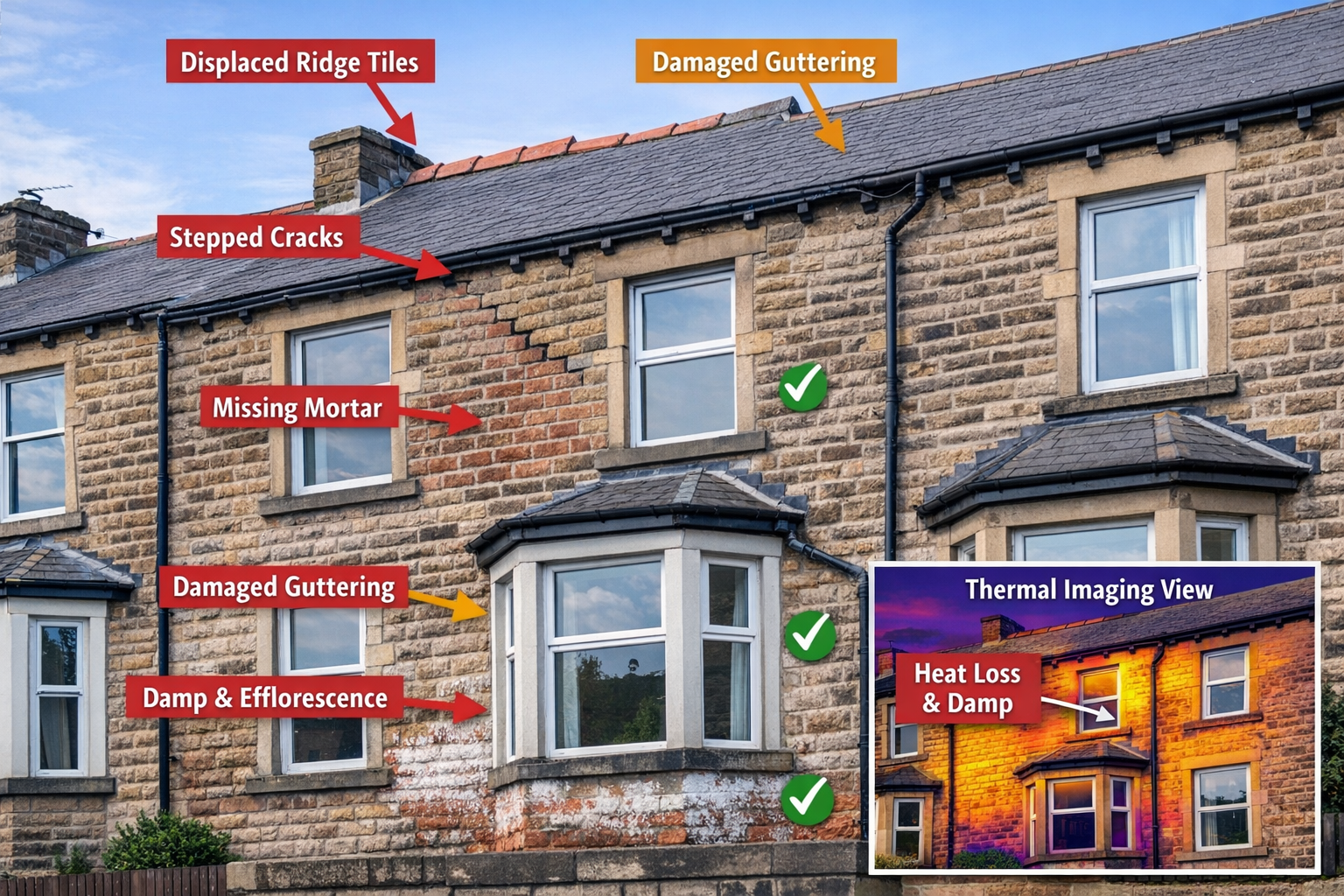
- Deteriorated pointing in brick or stone walls
- Failed render or pebbledash coatings
- Damaged or blocked gutters and downpipes
- Defective roof coverings
- Failed window and door seals
Condensation 🪟
Solid-walled properties without cavity insulation, combined with modern living patterns and inadequate ventilation, create condensation problems that can be mistaken for penetrating damp. Level 3 surveys use moisture meters and thermal imaging to distinguish between moisture sources.
Roofing and Structural Timber Defects
Roof condition critically affects property value and habitability. Common issues include:
- Slate deterioration: Original Welsh or local slate reaching the end of serviceable life (typically 80-120 years)
- Ridge and hip tile displacement: Movement allowing water penetration and heat loss
- Timber decay: Roof timbers affected by water penetration, woodworm, or fungal decay
- Inadequate bracing: Older roof structures lacking modern wind bracing standards
For properties where roof access proves difficult or safety concerns exist, roof surveys using drone technology can supplement traditional inspection methods.
Services and Building Systems
Level 3 surveys provide visual inspection of:
Electrical Systems ⚡
Outdated wiring represents both a safety hazard and a significant expense. Properties with original rubber-insulated wiring, aluminum wiring, or inadequate earthing require complete rewiring. Surveyors identify visible wiring age, consumer unit condition, and obvious safety concerns.
Plumbing and Heating 🔧
Lead pipework (common in pre-1970 properties), corroded steel pipes, aging boilers, and inadequate heating systems all affect property value and running costs. While surveyors don't conduct invasive testing, they assess visible pipework, boiler age and condition, and heating system adequacy.
Drainage 🚰
Blocked, damaged, or inadequate drainage causes multiple problems including dampness, subsidence, and environmental health issues. Visual inspection of manholes, gullies, and visible pipework identifies obvious defects, though comprehensive drainage surveys using CCTV may be recommended for properties with suspected drainage problems.
Interpreting Your Level 3 Survey Report
The Traffic Light Rating System
Level 3 Building Survey reports use a standardized traffic light system to categorize defects by urgency:[2]
🟢 Condition Rating 1 (Green) – No Repair Currently Needed
Elements in satisfactory condition with no immediate action required. Normal maintenance will suffice. Examples include recently replaced windows, sound roof coverings, or well-maintained external decoration.
🟡 Condition Rating 2 (Amber) – Defects Requiring Future Attention
Defects that need repair or replacement but are not considered urgent. These should be monitored and addressed within a reasonable timeframe to prevent deterioration. Examples include:
- Minor cracking requiring monitoring
- Aging but functional boilers approaching replacement age
- Gutters requiring cleaning and minor repairs
- External decoration nearing the end of its protective life
🔴 Condition Rating 3 (Red) – Urgent Defects Requiring Immediate Attention
Serious defects requiring urgent repair or replacement. These issues pose risks to safety, habitability, or will cause rapid deterioration if not addressed. Examples include:
- Active structural movement requiring investigation
- Serious dampness affecting structural timber
- Defective roof coverings causing water penetration
- Unsafe electrical installations
- Failed drainage systems
This system helps first-time buyers prioritize repairs and budget accordingly. Red-rated defects typically require immediate attention and should factor into purchase negotiations or even reconsideration of the purchase decision.
Understanding Repair Cost Estimates
Many Level 3 surveys include breakdown of estimated repair costs to help buyers understand financial implications.[2] These estimates typically provide:
- Range of costs rather than precise quotes (e.g., £5,000-£8,000 for roof repairs)
- Prioritization of essential versus desirable works
- Sequencing recommendations for interdependent repairs
- Specialist referrals when detailed investigation or specialist contractors are required
Cost estimates prove invaluable for:
✅ Mortgage affordability calculations – ensuring sufficient funds remain after purchase for essential repairs
✅ Purchase price negotiations – providing evidence to support reduced offers
✅ Financial planning – creating realistic budgets for property improvement over time
✅ Comparing properties – making informed decisions when choosing between multiple options
When Additional Specialist Surveys Are Recommended
Level 3 surveys identify when specialist investigations are necessary:[1][3]
- Structural engineer assessment for significant cracking, movement, or structural alterations
- Electrical condition report for properties with aging or unsafe wiring
- Damp and timber specialist report when serious moisture or insect infestation is suspected
- Drainage CCTV survey for properties with drainage concerns
- Asbestos survey for properties built between 1950-1999 where asbestos-containing materials may be present
- Environmental surveys for properties near former industrial sites or landfills
These additional investigations provide detailed analysis beyond the scope of visual inspection, offering definitive diagnosis and specific remediation recommendations.
Leveraging Survey Findings in 2026's Competitive Market
Negotiating Purchase Price Reductions
In Northern England's surging 2026 property market, comprehensive Level 3 survey findings provide powerful negotiation leverage. When significant defects are identified:
Quantify the Financial Impact 💷
Use repair cost estimates from the survey report to calculate total remediation expenses. Present these figures to sellers or their agents with supporting documentation from the survey.
Request Price Reduction or Remediation
Buyers can request:
- Direct price reduction equivalent to repair costs
- Seller completion of essential repairs before exchange
- Retention of funds in escrow until repairs are completed
- Contribution toward repair costs
Consider Walking Away
When red-rated defects involve structural issues requiring tens of thousands in repairs, or when defects affect mortgage availability, walking away may prove the wisest decision. The survey fee represents excellent value if it prevents purchase of a property with catastrophic problems.
Protecting Your Investment Long-Term
Level 3 surveys provide a comprehensive baseline for property condition that serves multiple purposes:
📋 Maintenance Planning
The survey creates a roadmap for ongoing maintenance, helping new owners prioritize work and budget for future expenses over 5-10 year timescales.
🏠 Insurance Documentation
Survey reports document pre-existing conditions, which can prove essential when making insurance claims. Some insurers offer preferential rates when comprehensive surveys have been conducted.
📈 Future Sale Evidence
When selling the property in future years, the original survey plus records of completed remediation work demonstrate responsible ownership and can support asking prices.
🔍 Warranty Claims
For properties with structural warranties or guarantees, survey documentation of pre-existing conditions protects against warranty disputes.

Costs, Timing, and Choosing the Right Surveyor
Investment in Comprehensive Assessment
Level 3 Building Survey costs range from £630 to over £1,500, depending on several factors:[3]
| Property Value | Typical Survey Cost | Percentage of Purchase Price |
|---|---|---|
| £150,000 | £630-£850 | 0.42-0.57% |
| £250,000 | £850-£1,100 | 0.34-0.44% |
| £400,000 | £1,100-£1,500 | 0.28-0.38% |
Cost variables include:
- Property size – larger properties require more inspection time
- Property age and complexity – older or unusual construction demands more detailed assessment
- Location – surveyor travel time and regional rate variations
- Additional services – drone surveys, thermal imaging, or specialist testing increase costs
For context on broader surveying costs, see our guide to structural survey pricing.
Survey Duration and Scheduling
Inspection typically takes 3-6 hours depending on property size and complexity.[1] Report preparation and delivery usually occurs within 5-10 working days, though urgent reports can sometimes be expedited for additional fees.
Understanding how long a homebuyer's survey takes helps buyers plan their purchase timeline effectively.
In 2026's fast-moving Northern England market, early survey booking proves essential. Properties receiving multiple offers within days of listing require buyers to act quickly while maintaining due diligence. Consider:
- Booking surveys immediately after offer acceptance
- Requesting expedited reports when competing timelines are tight
- Maintaining communication with surveyors about deadline pressures
Selecting Qualified RICS Surveyors
Chartered surveyors regulated by RICS (Royal Institution of Chartered Surveyors) provide the highest professional standards and accountability.[1] When selecting a surveyor:
✅ Verify RICS membership and check for relevant specializations
✅ Seek local expertise – surveyors familiar with Northern England construction types and regional issues
✅ Review sample reports to assess thoroughness and clarity
✅ Check professional indemnity insurance coverage
✅ Read client reviews and testimonials
✅ Compare quotations from multiple surveyors
For comprehensive building surveys across various property types, experienced RICS surveyors provide the expertise necessary for confident property purchase decisions.
Regional Considerations for Northern England Properties
Manchester and Greater Manchester
The region's mix of Victorian terraces, red brick semi-detached properties, and modern developments creates diverse survey requirements. Key concerns include:
- Victorian terraces with solid wall construction and potential dampness issues
- Former industrial conversions in areas like Ancoats and Castlefield requiring assessment of structural alterations
- Subsidence risks in areas with clay soils and mature tree growth
- Modern developments built during the construction boom requiring assessment of build quality
Leeds and West Yorkshire
Yorkshire stone construction dominates older properties, creating specific assessment requirements:
- Stone-built terraces with pointing deterioration and water penetration concerns
- Back-to-back housing (though most have been demolished, some converted examples remain)
- Mill conversions particularly in areas like Holbeck requiring specialist assessment
- Hillside properties with potential drainage and foundation concerns
Liverpool and Merseyside
The port city's architectural heritage includes:
- Georgian and Victorian terraces with basement areas prone to dampness
- Dock area conversions with unique structural considerations
- Properties affected by historical subsidence from underground infrastructure
- Coastal exposure creating accelerated weathering of external materials
Newcastle and the North East
The region's industrial heritage and distinctive architecture require:
- Tyneside flats (unique regional property type) with shared access and structural interdependence
- Stone and brick combination construction common in Victorian properties
- Former mining areas with potential subsidence concerns
- Exposed coastal locations with severe weather exposure affecting building fabric
Making Informed Decisions in 2026's Property Market
Balancing Speed with Due Diligence
The tension between market competition and thorough assessment creates difficult decisions for first-time buyers. Level 3 Building Surveys for First-Time Buyers in Northern England: Spotting Defects Amid 2026 Price Surge represents an investment in informed decision-making that protects against costly mistakes.
Consider this approach:
1️⃣ Pre-approval preparation – Arrange mortgage agreement in principle and identify surveyors before house hunting
2️⃣ Initial viewing assessment – Learn to spot obvious red flags that warrant comprehensive surveys
3️⃣ Rapid survey booking – Instruct surveys immediately after offer acceptance
4️⃣ Contingency planning – Build survey findings review into offer timelines
5️⃣ Decisive action – Use survey findings to negotiate, proceed with confidence, or walk away without regret
The True Cost of Skipping Comprehensive Surveys
While £630-£1,500 represents a significant expense for first-time buyers stretching finances, consider the potential costs of undiscovered defects:
- Structural repairs: £10,000-£50,000+ for foundation work or major structural issues
- Roof replacement: £8,000-£15,000 for a typical terraced property
- Rewiring: £3,000-£6,000 for complete electrical installation
- Damp remediation: £2,000-£10,000 depending on extent and cause
- Drainage repairs: £1,500-£8,000 for significant drainage work
A comprehensive survey costing £850 that identifies £25,000 in essential repairs provides either:
- Negotiation leverage to reduce purchase price
- Critical information to avoid a disastrous purchase
- Maintenance roadmap to plan and budget repairs over time
The return on investment proves substantial when measured against these potential costs.
Conclusion
Level 3 Building Surveys for First-Time Buyers in Northern England: Spotting Defects Amid 2026 Price Surge represents more than a precautionary expense—it provides essential protection in a competitive market where properties sell quickly and buyer pressure to proceed without proper due diligence intensifies. The region's distinctive housing stock, dominated by Victorian and Edwardian properties with solid wall construction, traditional materials, and decades of varying maintenance standards, creates conditions where comprehensive assessment becomes indispensable.
The most thorough property inspection available, Level 3 surveys deliver detailed analysis of structural integrity, hidden defects, and potential risks that superficial assessments cannot uncover.[1][3] For properties over 50-60 years old, those with visible structural problems, listed buildings, or properties with unusual construction, this comprehensive approach proves essential for informed decision-making.[2][3]
Take Action to Protect Your Property Investment
For first-time buyers navigating Northern England's 2026 property surge:
🎯 Prioritize comprehensive assessment over speed when purchasing older properties or those with visible concerns
🎯 Budget for survey costs as essential due diligence, not optional extras
🎯 Select qualified RICS surveyors with local expertise in Northern England construction types
🎯 Use survey findings strategically to negotiate price reductions or identify properties to avoid
🎯 Plan long-term maintenance using survey reports as roadmaps for property improvement
The combination of rising prices, competitive bidding, and the region's aging housing stock makes 2026 a year when cutting corners on property assessment carries exceptional risk. A comprehensive RICS Building Survey provides the detailed information necessary to proceed with confidence, negotiate effectively, or walk away from properties with serious defects that could derail homeownership dreams.
For first-time buyers determined to secure their place on the property ladder while protecting their financial future, Level 3 Building Surveys represent an investment in informed decision-making that pays dividends for years to come. The peace of mind that comes from understanding exactly what you're purchasing—including all its flaws and future maintenance requirements—proves invaluable in a market where properties sell quickly and buyer pressure to proceed without proper assessment intensifies daily.
Don't let market competition pressure you into purchasing a property with hidden defects that could cost tens of thousands to remediate. Invest in comprehensive assessment, make informed decisions, and begin your homeownership journey with confidence in your property's true condition and future potential.
References
[1] Building Survey – https://www.nancyritasurveyors.co.uk/building-survey
[2] Level 3 Home Survey – https://andrewjamessurveyors.co.uk/level-3-home-survey/
[3] Level 3 Building Survey Is It Worth Investment – https://www.mvsurveying.co.uk/level-3-building-survey-is-it-worth-investment
[4] Level 3 Building Surveys For First Time Buyers In 2026 Spotting Risks Amid Affordability Improvements – https://nottinghillsurveyors.com/blog/level-3-building-surveys-for-first-time-buyers-in-2026-spotting-risks-amid-affordability-improvements
[5] Level 3 Building Survey – https://edwardsgenesis.co.uk/services-overview/residential-surveys/level-3-building-survey/
[6] Listed Building Survey Guide – https://strutsurveyors.com/listed-building-survey-guide/