

The buy-to-let market is witnessing a dramatic transformation in 2026. Institutional landlords are returning with renewed confidence, driving unprecedented demand for professional valuation services. As capital values stabilize after years of uncertainty and institutional investors pour billions into residential portfolios, the role of expert witness valuations has never been more critical. Expert Witness Valuations for Buy-to-Let Portfolios in 2026: Navigating Institutional Investor Shifts represents the intersection of market recovery, regulatory complexity, and sophisticated investment strategies that define today's property landscape.
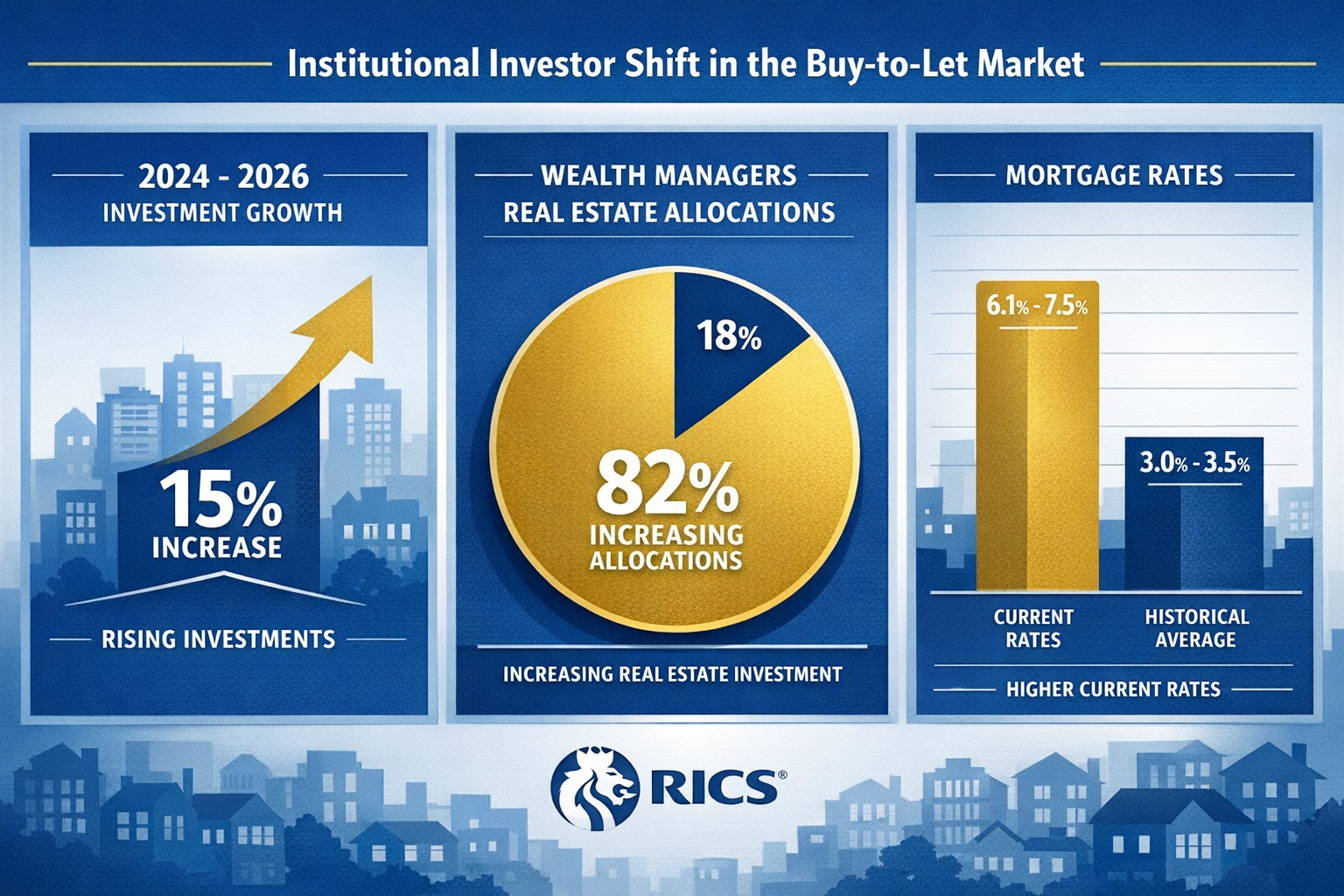
This remarkable resurgence follows a period of significant market repricing, with institutional buy-to-let experiencing what industry experts describe as "a remarkable resurgence in 2026" [1]. As global real estate investment activity is projected to rise 15% year-over-year, with 82% of wealth managers planning to increase allocations to private real estate over the next three years [2], the demand for credible, RICS-compliant expert witness testimony in portfolio disputes has surged accordingly.
Key Takeaways
- 🏢 Institutional investors are driving a 15% year-over-year increase in global real estate investment, with buy-to-let portfolios experiencing renewed demand after years of market uncertainty [2]
- ⚖️ Expert witness valuations must now incorporate people-centric metrics alongside traditional financial analysis, fundamentally changing how buy-to-let portfolios are assessed in legal disputes
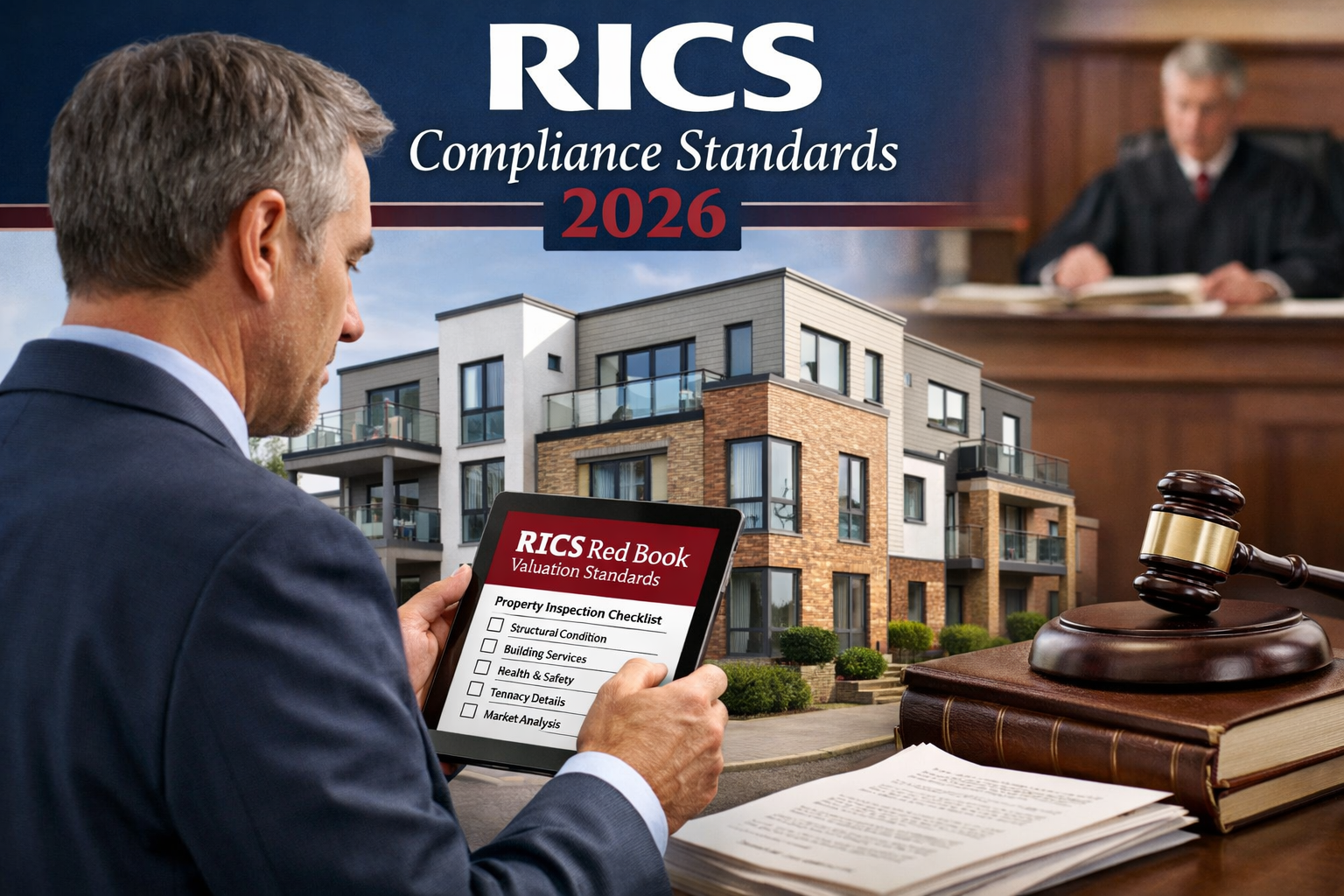
- 📊 RICS Red Book compliance remains essential for expert witness credibility, particularly as institutional investors require defensible valuations for tax planning, portfolio restructuring, and litigation
- 💰 Favorable capital conditions including mortgage rates of 6.1-7.5% and stabilized capital values are creating valuation complexities requiring specialized expert witness testimony [2]
- 🌍 Cross-border institutional investments are increasing, with EMEA projected to lead with 22% turnover growth, necessitating expert witnesses familiar with international valuation standards [2]
Understanding the Institutional Buy-to-Let Landscape in 2026
The Market Recovery and Investor Appetite
The institutional buy-to-let sector has undergone a remarkable transformation. After nearly two years of capital repricing that created significant uncertainty, buyers and sellers can now align expectations and transact with greater certainty [2]. This stabilization has unlocked institutional capital that had been sitting on the sidelines.
High-net-worth individual interest in real estate has reached 19%—a level not seen since 2006 [2]. This renewed confidence extends beyond individual investors to large-scale institutional players including:
- Real Estate Investment Trusts (REITs)
- Pension funds
- Insurance companies
- Private equity firms
- Sovereign wealth funds
The EMEA region is projected to lead global investment growth with a 22% increase in turnover in 2026 [2], creating opportunities and complexities for institutional investors navigating cross-border buy-to-let acquisitions. This international dimension adds layers of valuation complexity that expert witnesses must address.
Why Institutional Investors Need Expert Witness Valuations
Institutional landlords face unique challenges that frequently require expert witness testimony:
- Portfolio Restructuring Disputes – When institutional investors acquire or divest large property portfolios, disagreements over valuations can lead to litigation
- Tax Planning and HMRC Challenges – Capital gains tax, inheritance tax, and stamp duty land tax assessments often require expert witness support to defend valuations
- Partnership Dissolution – When institutional co-investors part ways, independent expert valuations become essential
- Lease Disputes – Commercial and residential lease renewals, rent reviews, and dilapidations require expert testimony
- Compulsory Purchase – Government acquisition of institutional portfolios necessitates expert valuation evidence
"Properties with strong utilization data and positive occupant experience metrics command premiums and face lower perceived risk, while those without such evidence confront compressed valuations" [3]
This quotation highlights a fundamental shift in how expert witnesses must approach buy-to-let portfolio valuations in 2026.
Expert Witness Valuations for Buy-to-Let Portfolios in 2026: Methodology and Standards
RICS Red Book Compliance Requirements
Registered RICS valuers providing expert witness services must adhere to the RICS Valuation – Global Standards (Red Book). This compliance framework ensures:
- Independence and objectivity – Expert witnesses must maintain professional distance from parties involved
- Transparent assumptions – All valuation assumptions must be clearly stated and defensible
- Appropriate methodology – Valuation approaches must align with property type and purpose
- Professional indemnity insurance – Adequate coverage protects all parties in litigation
For buy-to-let portfolios, Red Book valuations typically employ three primary methodologies:
| Valuation Method | Application | Key Considerations |
|---|---|---|
| Investment Method | Income-producing portfolios | Capitalization rates, rental yields, void periods |
| Comparable Method | Individual property assessment | Market evidence, location premiums, condition |
| Residual Method | Development potential | Planning permissions, construction costs, profit margins |
The Evolution Toward People-Centric Metrics
Commercial real estate valuations in 2026 increasingly incorporate people-centric metrics—performance indicators measuring how effectively properties support human experience, productivity, and engagement [3]. While traditionally applied to commercial properties, these principles are now influencing residential buy-to-let valuations.
Expert witnesses must now consider:
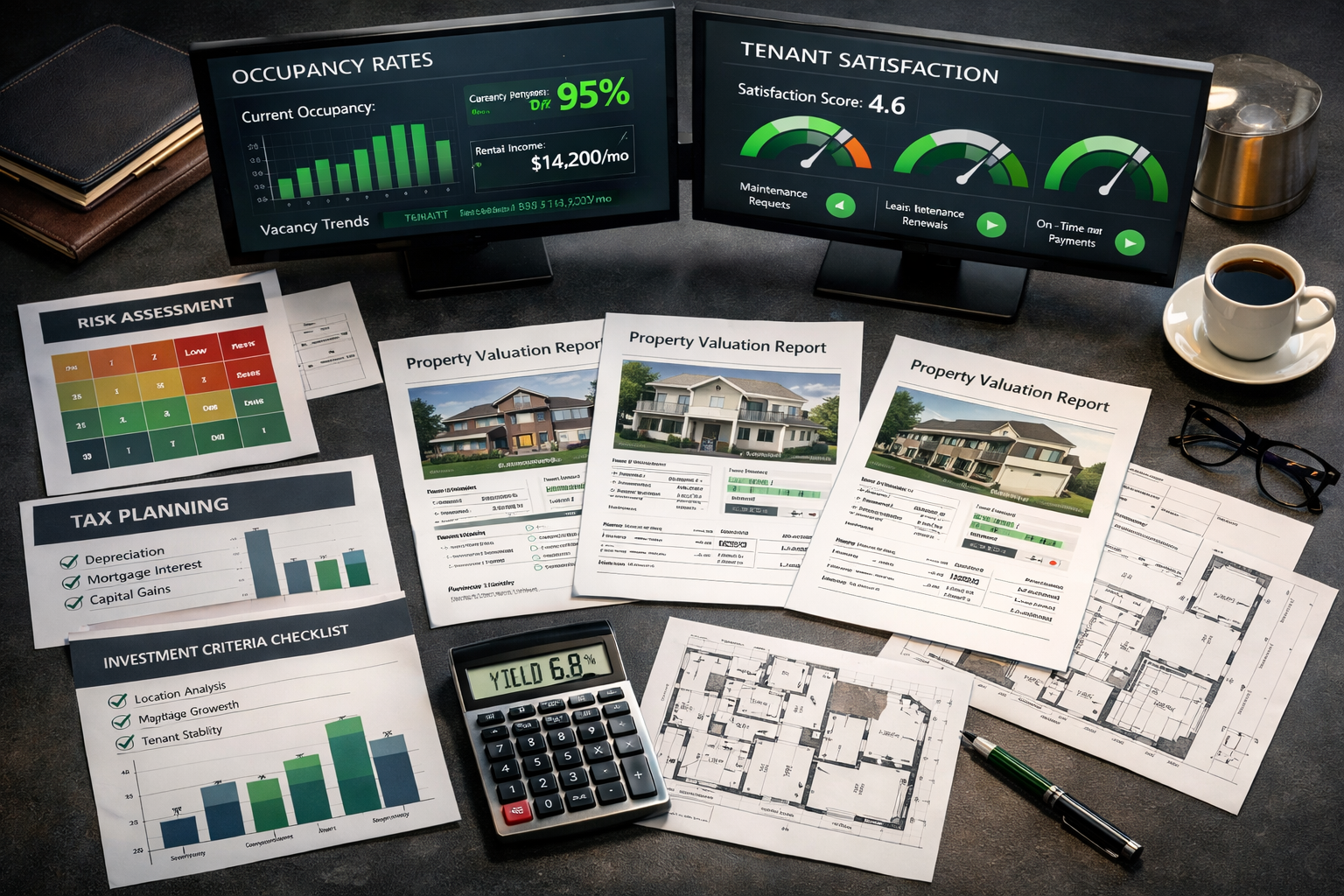
- Tenant satisfaction scores – Properties with documented high tenant retention command premium valuations
- Utilization data – Occupancy rates, turnover frequency, and void period analysis
- Amenity quality – Modern conveniences, energy efficiency, connectivity
- Community integration – Access to transport, schools, healthcare, employment centers
Properties demonstrating strong occupant satisfaction are being underwritten with shorter downtime assumptions between tenants, higher renewal probability, and lower frictional vacancy projections [3]. These factors directly impact expert witness valuations in portfolio disputes.
Incorporating Market Recovery Indicators
Expert witnesses providing testimony on buy-to-let portfolios in 2026 must account for the current recovery dynamics:
Favorable Capital Conditions:
- Mortgage rates averaging 6.1-6.5% for primary residences
- Investment property rates of 6.6-7.5% [2]
- Returning institutional capital creating competitive bidding
- Stabilized capital values after repricing period
Sector-Specific Performance:
Healthcare REITs, which share characteristics with institutional buy-to-let models, grew 18% in 2025 supported by aging demographics [2]. This demonstrates institutional confidence in yield-generating property strategies that expert witnesses can reference as market evidence.
Navigating Institutional Investor Shifts: Key Challenges for Expert Witnesses
Tax Pressures and Regulatory Complexity
Institutional buy-to-let investors face mounting tax pressures that frequently trigger disputes requiring expert witness valuations:
Section 24 Mortgage Interest Relief Restrictions – The phased removal of mortgage interest tax relief has fundamentally altered buy-to-let economics, creating valuation disagreements between institutional investors and HMRC.
Capital Gains Tax Valuations – When institutional portfolios are sold or restructured, capital gains tax valuations become contentious, particularly for properties held in complex ownership structures.
Stamp Duty Land Tax Surcharges – The 3% additional dwelling surcharge on buy-to-let purchases creates valuation disputes when investors challenge assessments.
Expert witnesses must provide defensible valuations that withstand scrutiny from:
- HMRC tax inspectors
- Opposing counsel
- Judicial review
- Professional regulatory bodies
Portfolio Valuation vs. Individual Property Assessment
A critical challenge in Expert Witness Valuations for Buy-to-Let Portfolios in 2026: Navigating Institutional Investor Shifts involves the portfolio premium or discount debate.
Portfolio Premium Arguments:
- Economies of scale in management
- Diversified geographic risk
- Established tenant relationships
- Operational efficiency
- Bulk purchasing power
Portfolio Discount Arguments:
- Limited buyer pool for large portfolios
- Concentration risk
- Management complexity
- Liquidity constraints
- Due diligence costs
Expert witnesses must provide evidence-based analysis supported by comparable portfolio transactions. This often requires desktop valuations supplemented by selective physical inspections of representative properties within the portfolio.
Cross-Border Investment Complexities
With EMEA leading global investment growth at 22% [2], institutional investors are increasingly acquiring buy-to-let portfolios across multiple jurisdictions. Expert witnesses must navigate:
- Varying valuation standards – RICS, IVSC, USPAP, and local frameworks
- Currency fluctuations – Impact on investment returns and valuations
- Legal system differences – Common law vs. civil law jurisdictions
- Tax treaty implications – Double taxation, withholding taxes
- Regulatory divergence – Tenant protection laws, rent controls
Strategies for RICS-Compliant Expert Witness Reports in Disputes
Essential Components of Expert Witness Reports
A comprehensive expert witness report for buy-to-let portfolio disputes must include:
1. Executive Summary
- Clear statement of instructions
- Summary of conclusions
- Key valuation figures
2. Property Description
- Detailed portfolio composition
- Individual property characteristics
- Location analysis
- Tenure details
3. Market Analysis
- Current market conditions
- Transaction evidence
- Rental market assessment
- Economic indicators
4. Valuation Methodology
- Approach justification
- Assumptions stated
- Comparable evidence
- Calculations shown
5. Risk Assessment
- Market risks
- Property-specific risks
- Tenant profile analysis
- Regulatory considerations
6. Conclusions
- Valuation opinion
- Range of values if appropriate
- Qualifications and limitations
Maintaining Independence and Objectivity
Expert witnesses must demonstrate independence from the instructing party. Key practices include:
✅ Declare all conflicts of interest – Previous relationships with parties, properties, or related entities
✅ Avoid advocacy – Present balanced analysis, not partisan arguments
✅ Support all opinions with evidence – Every conclusion must be defensible with market data
✅ Acknowledge limitations – Be transparent about data gaps or uncertainties
✅ Follow CPR Part 35 requirements – In England and Wales, comply with Civil Procedure Rules governing expert evidence
Preparing for Cross-Examination
Expert witnesses providing testimony on buy-to-let portfolios should prepare for rigorous cross-examination by:
- Anticipating challenges – Identify weaknesses in methodology or data
- Reviewing all comparable evidence – Be familiar with every transaction cited
- Understanding opposing expert's position – Analyze alternative valuations thoroughly
- Maintaining professional composure – Remain objective under pressure
- Clarifying technical concepts – Explain complex valuation principles clearly for non-experts
Emerging Trends Affecting Expert Witness Valuations
Technology Integration in Valuation Practice
Advanced technologies are transforming how expert witnesses conduct buy-to-let portfolio valuations:
Artificial Intelligence and Machine Learning 📊
- Automated comparable property identification
- Predictive analytics for rental yields
- Risk assessment modeling
- Market trend forecasting
Big Data Analytics
- Tenant behavior patterns
- Occupancy optimization
- Maintenance cost prediction
- Energy efficiency scoring
Digital Inspection Tools
- Drone photography for large portfolios
- 3D virtual tours
- Remote condition assessment
- Photographic evidence documentation
While technology enhances efficiency, expert witnesses must ensure human judgment remains central to valuation conclusions, particularly in litigation contexts where courts value professional experience and reasoning.
Environmental, Social, and Governance (ESG) Considerations
Institutional investors are increasingly focused on ESG metrics, which expert witnesses must incorporate into buy-to-let portfolio valuations:
Environmental Factors:
- Energy Performance Certificate (EPC) ratings
- Carbon footprint assessments
- Climate risk exposure
- Sustainability certifications
Social Factors:
- Tenant welfare standards
- Community impact
- Affordable housing provision
- Accessibility features
Governance Factors:
- Management quality
- Regulatory compliance
- Tenant rights protection
- Transparent reporting
Properties with strong ESG credentials are commanding premium valuations, while those with poor performance face discounts—a trend expert witnesses must quantify in their testimony.
The Build-to-Rent Influence
The growth of institutional build-to-rent (BTR) developments is influencing traditional buy-to-let valuations. Expert witnesses must understand how BTR characteristics affect portfolio values:
- Professional management structures
- Purpose-built amenities
- Longer average tenancies
- Higher capital values per unit
- Different yield expectations
Practical Case Studies: Expert Witness Valuations in Action
Case Study 1: Portfolio Restructuring Dispute
Scenario: A private equity firm acquiring a 250-unit buy-to-let portfolio disputed the seller's valuation by £12 million, claiming properties were overvalued based on unrealistic rental assumptions.
Expert Witness Role:
- Conducted Red Book compliant valuations of representative sample properties
- Analyzed rental market evidence across three geographic regions
- Assessed void period assumptions against historical data
- Provided expert testimony on appropriate capitalization rates
Outcome: The expert's analysis supported a middle-ground valuation, leading to negotiated settlement saving both parties significant litigation costs.
Case Study 2: HMRC Capital Gains Tax Challenge
Scenario: An institutional investor faced HMRC challenge on capital gains tax valuation following sale of 80-property portfolio, with disputed valuation difference of £4.8 million.
Expert Witness Role:
- Prepared retrospective valuation at acquisition date
- Demonstrated market conditions at relevant valuation date
- Provided comparable transaction evidence
- Defended methodology under cross-examination at tribunal
Outcome: Tribunal accepted expert's valuation methodology, reducing tax liability by £1.2 million.
Case Study 3: Partnership Dissolution
Scenario: Two institutional co-investors in a 150-unit buy-to-let portfolio disagreed on exit valuations, with £8 million difference in opinions.
Expert Witness Role:
- Acted as single joint expert appointed by both parties
- Conducted comprehensive portfolio analysis
- Applied portfolio premium/discount analysis
- Facilitated settlement discussions with valuation range
Outcome: Parties reached agreement within expert's valuation range, avoiding costly litigation.
Working with Expert Witnesses: Best Practices for Institutional Investors
Selecting the Right Expert Witness
Institutional investors should consider these factors when appointing expert witnesses for buy-to-let portfolio disputes:
Professional Qualifications ✓
- RICS chartered surveyor status
- Specialist valuation qualifications (e.g., RICS Registered Valuer)
- Expert witness training and accreditation
- Professional indemnity insurance
Relevant Experience ✓
- Track record in buy-to-let portfolio valuations
- Previous expert witness testimony
- Understanding of institutional investment structures
- Knowledge of relevant tax and regulatory frameworks
Geographic Expertise ✓
- Familiarity with portfolio locations
- Local market knowledge
- Regional transaction database
- Network of market contacts
Communication Skills ✓
- Clear report writing
- Ability to explain complex concepts
- Courtroom presence
- Professional demeanor under pressure
Instructing Expert Witnesses Effectively
Clear instructions ensure expert witnesses provide valuable testimony:
- Define the scope precisely – Specify which properties, valuation date, and purpose
- Provide comprehensive information – Share all relevant documents, contracts, and data
- Establish realistic timelines – Allow adequate time for thorough analysis
- Clarify budget parameters – Understand fee structures and potential additional costs
- Maintain appropriate communication – Balance information sharing with independence preservation
Understanding Fee Structures
Expert witness fees for buy-to-let portfolio valuations typically follow these models:
| Fee Structure | Application | Typical Range |
|---|---|---|
| Hourly Rate | Smaller portfolios, limited scope | £200-£500/hour |
| Fixed Fee | Defined scope, predictable work | £5,000-£50,000+ |
| Portfolio-Based | Large portfolios, per-unit pricing | £100-£500/unit |
| Phased Fees | Report preparation + testimony | Staged payments |
For complex institutional portfolio disputes, total expert witness costs can range from £25,000 to £150,000+ depending on portfolio size, complexity, and whether the matter proceeds to trial.
Conclusion
Expert Witness Valuations for Buy-to-Let Portfolios in 2026: Navigating Institutional Investor Shifts represents a critical intersection of market recovery, regulatory complexity, and sophisticated investment strategies. As institutional investors drive a remarkable resurgence in the buy-to-let sector—with global real estate investment projected to rise 15% year-over-year and 82% of wealth managers increasing allocations [2]—the demand for credible, RICS-compliant expert witness testimony has never been greater.
The evolution toward people-centric valuation metrics, combined with traditional financial analysis, requires expert witnesses to adopt more comprehensive assessment frameworks. Properties demonstrating strong occupant satisfaction, utilization data, and ESG credentials command premium valuations, while those lacking such evidence face compressed values [3]. This divergence creates fertile ground for disputes requiring expert testimony.
Institutional investors navigating tax pressures, portfolio restructuring, partnership dissolutions, and cross-border acquisitions must engage qualified expert witnesses who understand both traditional valuation methodology and emerging market dynamics. The favorable capital conditions of 2026—including stabilized mortgage rates and returning institutional capital—create opportunities but also valuation complexities requiring specialized expertise.
Actionable Next Steps
For institutional investors and their advisors:
- Engage RICS-qualified expert witnesses early – Don't wait until disputes escalate; involve experts during transaction planning
- Ensure Red Book compliance – All portfolio valuations should meet RICS standards to withstand legal scrutiny
- Document occupant experience metrics – Build evidence of tenant satisfaction, utilization, and ESG performance to support valuations
- Maintain comprehensive transaction records – Detailed documentation supports expert witness analysis and testimony
- Consider single joint expert appointments – Where appropriate, jointly appointed experts can facilitate settlement and reduce costs
The institutional buy-to-let market's remarkable resurgence in 2026 [1] presents significant opportunities for sophisticated investors. However, the complexity of portfolio valuations, regulatory pressures, and cross-border considerations necessitate expert witness support to navigate disputes effectively. By understanding the evolving valuation landscape and engaging qualified professionals, institutional investors can protect their interests while capitalizing on the current market recovery.
For comprehensive valuation reports and expert witness services tailored to institutional buy-to-let portfolios, working with experienced RICS chartered surveyors ensures defensible valuations that withstand the rigors of litigation and regulatory challenge.
References
[1] Institutional Buy To Let Valuation Surveys Assessing High Yield Opportunities In The 2026 Recovery – https://nottinghillsurveyors.com/blog/institutional-buy-to-let-valuation-surveys-assessing-high-yield-opportunities-in-the-2026-recovery
[2] Building A Real Estate Investment Portfolio Your Complete Guide – https://www.amerisave.com/learn/building-a-real-estate-investment-portfolio-your-complete-guide
[3] Rethinking Commercial Real Estate Valuations In 2026 – https://svn.com/cre-insights/cre-blog/rethinking-commercial-real-estate-valuations-in-2026/