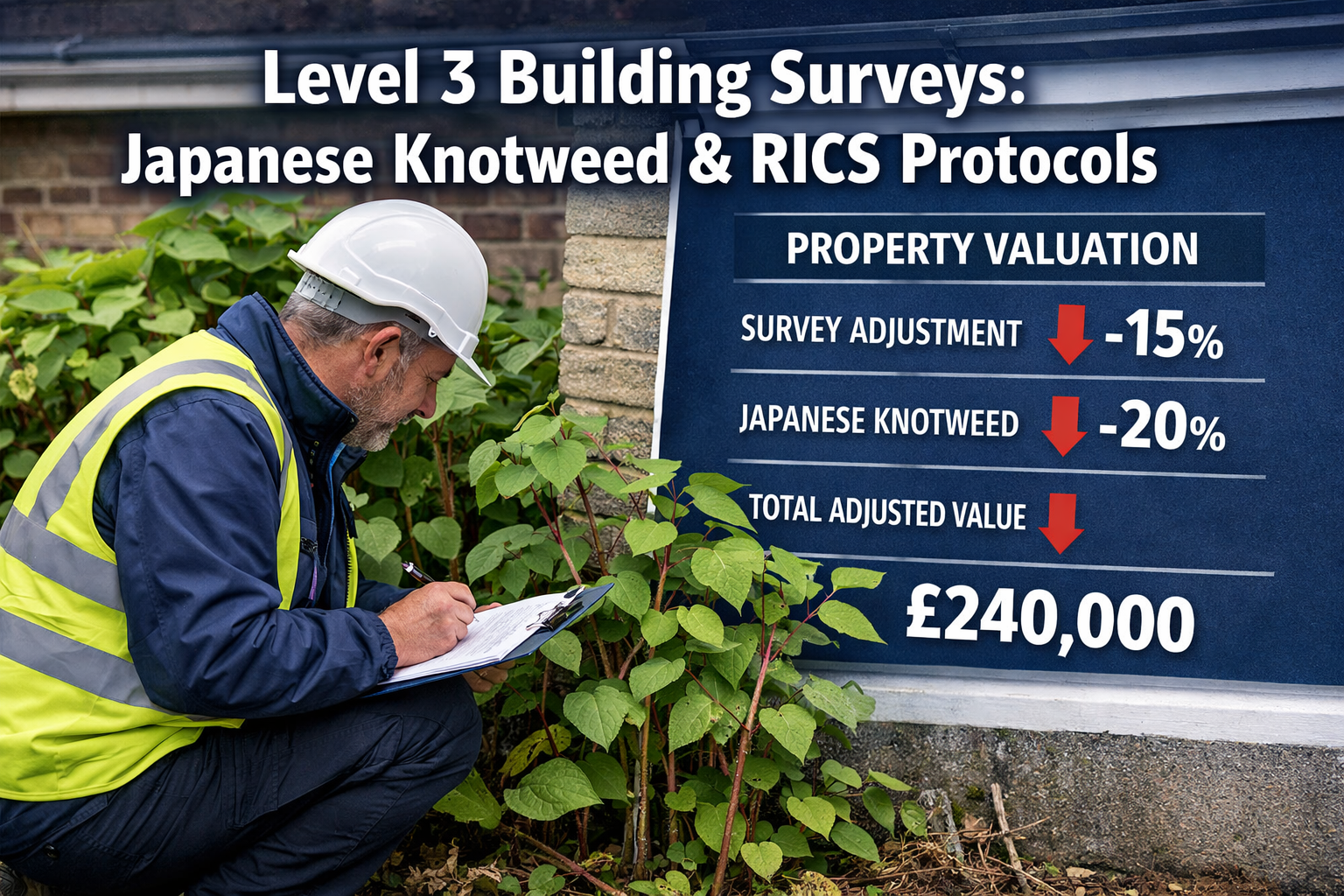

Commercial lease expiries in 2026 are projected to reach unprecedented levels, with over £47 billion worth of UK commercial property leases ending as post-pandemic contracts reach their natural conclusion. This surge has created a corresponding increase in dilapidations disputes—conflicts where landlords and tenants disagree over property condition, repair obligations, and associated costs. Expert witnesses now play a critical role in resolving these disputes, providing court-ready evidence that can mean the difference between a £50,000 settlement and a £500,000 liability.
Understanding Expert Witness Roles in Dilapidations Disputes for Commercial Leases Expiring in 2026 is essential for property professionals, legal teams, and business owners facing lease-end obligations. These specialists apply rigorous RICS (Royal Institution of Chartered Surveyors) protocols to quantify repair costs, assess diminution in value, and provide independent testimony that courts rely upon to reach fair judgments.

Key Takeaways
- Expert witnesses in dilapidations disputes provide independent, RICS-compliant assessments that quantify repair costs and property valuation impacts for commercial leases ending in 2026
- Court-ready reports must demonstrate technical competence, impartiality, and adherence to CPR Part 35 requirements to be admissible as evidence in legal proceedings
- The 2026 lease expiry surge demands qualified chartered surveyors who can navigate complex repair obligations, supersession arguments, and diminution valuations
- Effective expert witness testimony resolves disputes efficiently, often preventing costly litigation through well-documented, defensible assessments
- RICS guidance on dilapidations protocols establishes the framework for professional expert witness work in commercial property disputes
Understanding Dilapidations Disputes in Commercial Property
Dilapidations refer to breaches of lease covenants relating to the condition and repair of commercial property. When a business tenant prepares to vacate premises in 2026, landlords typically serve a schedule of dilapidations—a detailed document listing alleged breaches and associated repair costs.
These disputes arise from disagreements over:
- Scope of repair obligations: What constitutes "good repair" or "full repairing and insuring" lease terms
- Cost quantification: Whether claimed repair costs are reasonable and necessary
- Diminution in value: The actual financial impact on the landlord's reversion interest
- Supersession: Whether planned refurbishment or redevelopment renders repairs unnecessary
The financial stakes are substantial. A typical dilapidations claim for a 10,000 square foot office space can range from £100,000 to over £1 million, depending on property condition and lease terms. With thousands of commercial leases expiring in 2026, the volume of potential disputes has created unprecedented demand for qualified expert witnesses.
The Legal Framework for Dilapidations Claims
UK law provides specific protections and limitations for both landlords and tenants:
Section 18 of the Landlord and Tenant Act 1927 caps damages at the diminution in the landlord's reversion value. This means repair costs exceeding the property's value reduction cannot be recovered—a crucial consideration for expert witnesses assessing claims.
The Dilapidations Protocol (effective since 2012) requires parties to engage constructively before litigation, including:
✅ Landlord serves detailed schedule of dilapidations
✅ Tenant responds with admissions and disputes
✅ Parties attempt negotiation before court proceedings
✅ Expert evidence prepared according to professional standards
Expert witnesses must understand this framework to provide relevant, admissible evidence that addresses the specific legal tests courts apply [2].
Expert Witness Roles in Dilapidations Disputes for Commercial Leases Expiring in 2026: Core Responsibilities
The role of an expert witness in dilapidations disputes extends far beyond simple property inspection. These professionals serve as independent advisors to the court, with duties that supersede their obligations to the instructing party.
Primary Duties and Obligations
1. Independent Assessment and Valuation
Expert witnesses must conduct thorough dilapidation surveys that document:
- Current property condition with photographic evidence
- Comparison against lease commencement condition (using schedules of condition where available)
- Identification of specific lease covenant breaches
- Detailed repair specifications and methodology
- Cost quantification using current market rates
2. Compliance with CPR Part 35
The Civil Procedure Rules Part 35 govern expert evidence in England and Wales. Expert witnesses must:
- Provide opinions within their area of expertise only
- State the facts and assumptions underlying their opinions
- Identify matters falling outside their expertise
- Declare any conflicts of interest or relationships with parties
- Acknowledge their overriding duty to the court [2]
3. RICS Standards and Professional Conduct
Chartered surveyors acting as expert witnesses must adhere to RICS Practice Statement and Guidance Note: Surveyors Acting as Expert Witnesses. This includes:
📋 Maintaining professional indemnity insurance
📋 Keeping detailed contemporaneous records
📋 Producing clear, well-reasoned reports
📋 Remaining impartial regardless of who instructs them
📋 Meeting court-imposed deadlines and directions
Technical Competencies Required
Expert witnesses in 2026 dilapidations disputes need specialized knowledge across multiple disciplines:
| Competency Area | Specific Skills Required |
|---|---|
| Building Surveying | Understanding construction methods, defect diagnosis, repair specifications |
| Quantity Surveying | Accurate cost estimation, market rate knowledge, measurement protocols |
| Valuation | Diminution calculations, reversion value assessment, market analysis |
| Legal Knowledge | Lease interpretation, case law application, statutory framework |
| Report Writing | Clear technical communication, logical structure, defensible conclusions |
The complexity of modern commercial properties—with sophisticated M&E systems, environmental controls, and technology infrastructure—demands expert witnesses with current, practical experience in commercial building surveys and property assessment.
Preparing Court-Ready Dilapidations Reports
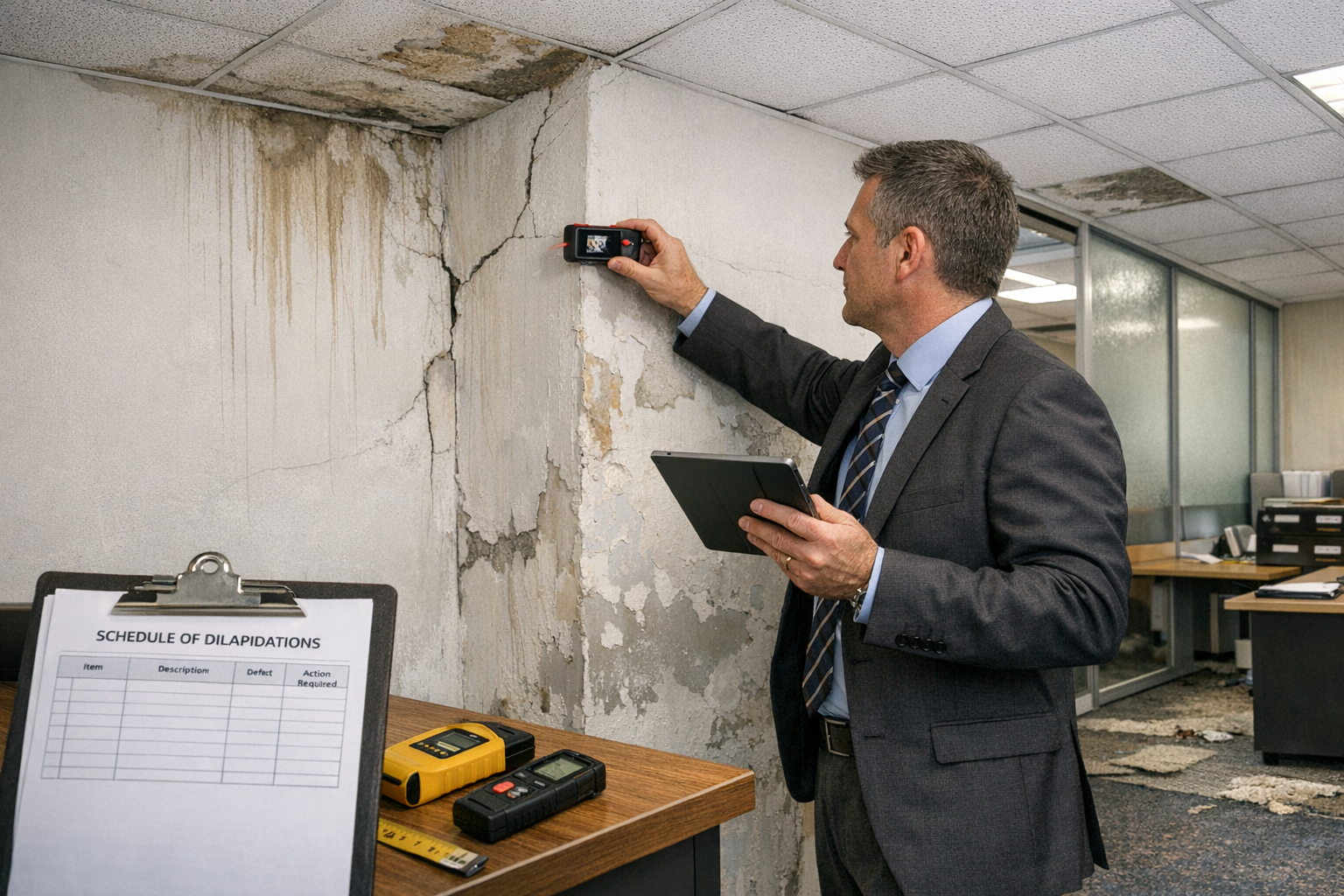
The expert witness report forms the cornerstone of dilapidations dispute resolution. Courts rely heavily on these documents to understand technical issues and reach informed decisions. A properly prepared report can resolve disputes without trial, while a deficient one may be excluded from evidence entirely.
Essential Components of Expert Witness Reports
Executive Summary and Instructions
Every report should begin with:
- Clear statement of the expert's qualifications and experience
- Summary of instructions received and scope of work
- Declaration of compliance with CPR Part 35
- Statement of truth confirming accuracy
Property Description and Inspection Methodology
Detailed documentation of:
- Property address, type, and size
- Lease terms relevant to repair obligations
- Inspection date, attendees, and access limitations
- Weather conditions and environmental factors
- Inspection methodology and equipment used
Schedule of Dilapidations Analysis
The core technical content includes:
- Item-by-item assessment of landlord's claimed breaches
- Agreement or disagreement with each allegation, with detailed reasoning
- Alternative repair specifications where landlord's approach is inappropriate
- Cost quantification for agreed items using transparent calculations
- Photographic evidence cross-referenced to specific items
Diminution Valuation
A critical component unique to dilapidations claims:
- Assessment of property value in current condition
- Assessment of property value if repairs completed
- Calculation of diminution (the difference)
- Consideration of supersession arguments
- Market evidence supporting valuations
Professional Opinions and Conclusions
The report must provide:
✅ Clear opinions on disputed technical matters
✅ Range of reasonable repair costs
✅ Assessment of Section 18 cap implications
✅ Identification of areas requiring further investigation
✅ Summary of key findings and recommendations
Common Pitfalls to Avoid
Expert witnesses must be vigilant against errors that undermine report credibility:
❌ Advocacy: Taking an adversarial stance rather than maintaining independence
❌ Insufficient evidence: Making assertions without supporting documentation
❌ Scope creep: Opining on matters outside expertise area
❌ Cost inflation: Using unrealistic rates or specifications
❌ Ignoring supersession: Failing to consider landlord's future plans
The recent commercial disputes landscape in 2026 shows increasing judicial scrutiny of expert evidence quality [3]. Courts are more willing to disregard or reduce weight given to reports that fail professional standards.
The Expert Witness Process: From Instruction to Testimony
Understanding the typical timeline and process helps parties prepare effectively for dilapidations disputes involving commercial leases expiring in 2026.
Stage 1: Initial Instruction and Conflict Check (Weeks 1-2)
When approached to act as an expert witness, chartered surveyors must:
- Verify they have appropriate expertise for the specific property type
- Conduct conflict checks to ensure independence
- Review lease terms and existing correspondence
- Provide fee estimate and timeline
- Issue formal letter of instruction acceptance
Best Practice: Request comprehensive documentation including lease, schedules of condition, previous inspection reports, and correspondence history before committing to the instruction.
Stage 2: Property Inspection and Evidence Gathering (Weeks 3-4)
The site inspection represents the foundation of expert evidence. Effective inspections include:
📸 Comprehensive photography: Hundreds of images documenting overall condition and specific defects
📏 Detailed measurements: Accurate quantification of areas requiring repair
🔍 Defect investigation: Opening up where necessary to determine cause and extent
📝 Contemporaneous notes: Detailed written observations made during inspection
🤝 Joint inspections: Where possible, attending with opposing expert to identify agreements
Commercial property surveyors emphasize the importance of systematic inspection methodology that can withstand cross-examination months or years later.
Stage 3: Report Preparation and Peer Review (Weeks 5-8)
Report drafting requires:
- Detailed analysis of each dilapidations item
- Cost research using current market rates
- Valuation analysis for diminution assessment
- Legal research on relevant case precedents
- Internal peer review before submission
Quality Control: Leading firms implement multi-stage review processes where senior experts critique draft reports before finalization, ensuring technical accuracy and compliance with professional standards.
Stage 4: Expert Discussion and Joint Statement (Weeks 9-12)
Courts typically order experts to meet "without prejudice" to identify:
- Areas of agreement on technical matters
- Remaining areas of disagreement
- Reasons for disagreement
- Range of reasonable outcomes
The resulting joint statement significantly narrows issues for trial, often leading to settlement. Research shows that effective expert discussions resolve up to 70% of technical disputes before hearing [2].
Stage 5: Court Testimony and Cross-Examination
If disputes proceed to trial, expert witnesses must:
- Attend court as directed
- Present evidence clearly to non-technical judges
- Respond to cross-examination professionally
- Maintain independence under pressure
- Clarify technical matters as requested
Testimony Skills: The most effective expert witnesses communicate complex building defects and repair costs in accessible language, using visual aids and analogies that help judges understand technical issues without oversimplifying [4].
Case Studies: Expert Witness Impact on 2026 Lease Expiry Disputes
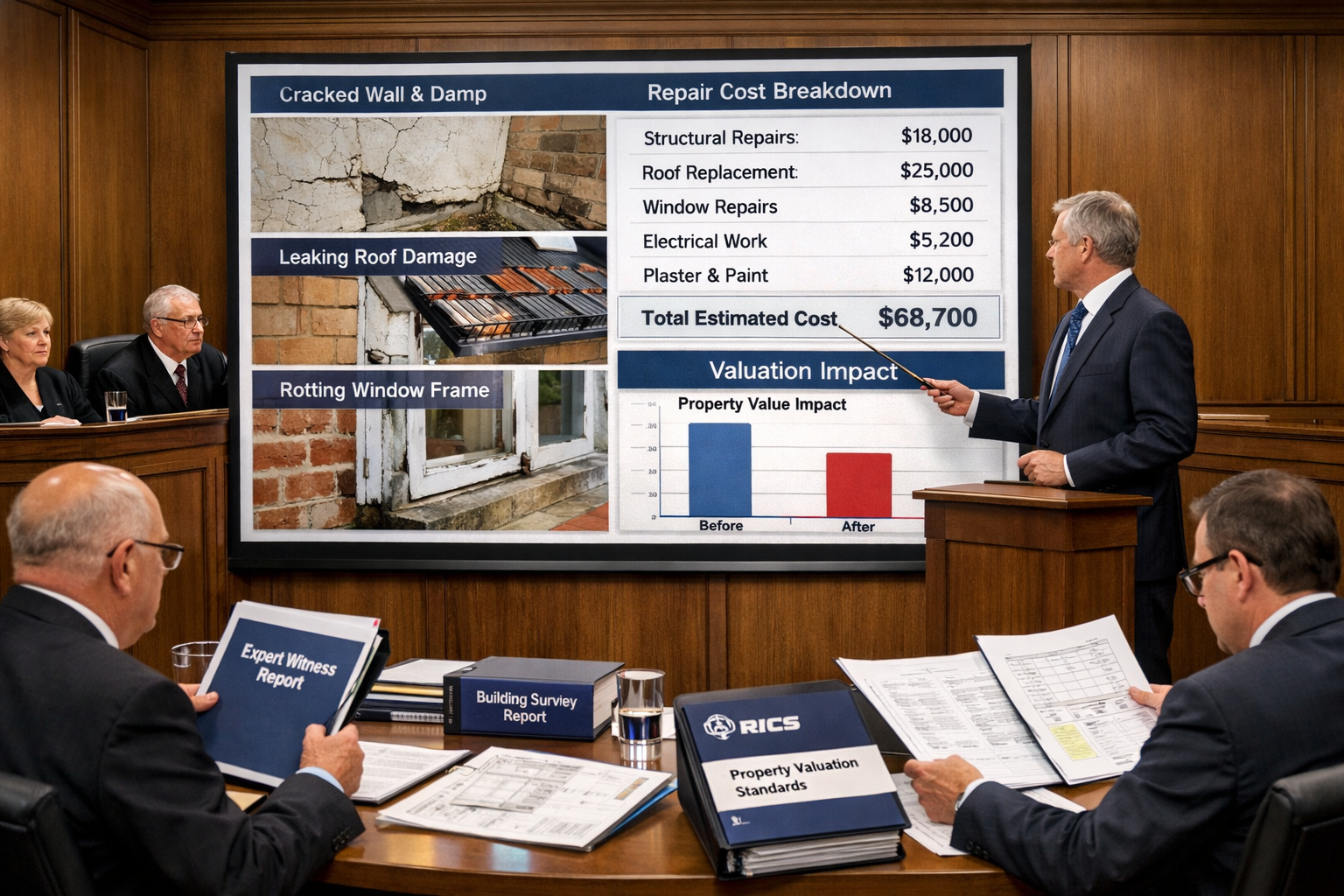
Real-world examples demonstrate how expert witness involvement shapes outcomes in commercial dilapidations disputes.
Case Study 1: London Office Building – Supersession Argument
Background: A 15,000 sq ft office in Central London with lease expiring March 2026. Landlord served £850,000 dilapidations claim for comprehensive repairs and reinstatement.
Expert Witness Role: The tenant's expert witness conducted detailed investigation revealing:
- Landlord had obtained planning permission for full refurbishment
- Proposed works would remove/replace all items in dilapidations schedule
- Market evidence showed no tenant would lease in current configuration
- Diminution value substantially lower than repair costs
Outcome: Expert evidence on supersession reduced claim to £120,000 (reflecting actual diminution), saving tenant £730,000. The case settled without trial based on expert reports.
Key Lesson: Thorough investigation of landlord's intentions and market conditions provides powerful evidence for Section 18 cap application.
Case Study 2: Retail Unit – Specification Dispute
Background: Shopping center unit with lease ending June 2026. Dispute centered on landlord's requirement for complete M&E system replacement at £240,000.
Expert Witness Role: Joint inspection by both parties' experts revealed:
- Existing systems functional but showing age-related wear
- Landlord's specification exceeded lease repair obligations
- Repair rather than replacement appropriate for several systems
- Some items represented improvements, not repairs
Outcome: Joint expert statement agreed revised scope at £95,000. Court adopted expert consensus, demonstrating value of collaborative expert approach.
Key Lesson: Joint inspections and discussions often resolve technical disputes more efficiently than adversarial proceedings [1].
Case Study 3: Industrial Warehouse – Betterment Issues
Background: 50,000 sq ft warehouse, lease expiring September 2026. Landlord claimed £320,000 for roof repairs using modern materials and methods.
Expert Witness Role: Tenant's expert demonstrated:
- Proposed repairs incorporated betterment (improvements beyond original specification)
- Like-for-like repair using equivalent modern materials cost £180,000
- Enhanced specification provided longer life and better performance
- Tenant should only pay for equivalent repair, not enhancement
Outcome: Court accepted expert evidence on betterment principles, reducing claim by £140,000 for improvement elements.
Key Lesson: Expert witnesses must carefully distinguish between repair (tenant's obligation) and improvement (landlord's benefit) when specifications exceed original standards.
Selecting the Right Expert Witness for Your Dilapidations Dispute
Choosing an appropriately qualified expert witness significantly impacts dispute outcomes. Both landlords and tenants should consider multiple factors when selecting representation.
Essential Qualifications and Experience
Professional Accreditation
Look for experts with:
🏆 MRICS or FRICS designation (Member or Fellow of Royal Institution of Chartered Surveyors)
🏆 Specialist building surveying qualifications
🏆 Expert witness training and accreditation
🏆 Professional indemnity insurance (minimum £5 million)
🏆 Clean disciplinary record with RICS
Property Type Expertise
Commercial property encompasses diverse building types requiring specialized knowledge:
- Office buildings: Understanding of modern M&E systems, raised floors, suspended ceilings
- Retail units: Knowledge of shop fitting, frontages, customer-facing areas
- Industrial/warehouse: Experience with structural systems, loading areas, specialized equipment
- Mixed-use developments: Ability to assess complex multi-function properties
The expert should have demonstrable experience with properties similar to the subject lease. A residential surveyor, regardless of qualifications, lacks credibility in complex commercial disputes.
Track Record and Reputation
Investigate potential experts' backgrounds:
- Previous cases and outcomes (where not confidential)
- Peer reputation within surveying community
- Publication record in professional journals
- Speaking engagements at industry conferences
- Judicial comments in previous cases (available in published judgments)
Red Flags: Avoid experts who:
❌ Exclusively work for landlords or tenants (suggests lack of independence)
❌ Cannot provide references from solicitors or barristers
❌ Lack recent commercial property experience
❌ Show reluctance to discuss methodology or approach
❌ Offer guaranteed outcomes or results
Communication and Presentation Skills
Technical competence alone doesn't ensure effective expert witness work. Assess:
- Clarity of written communication in sample reports
- Ability to explain complex concepts in accessible language
- Professional demeanor and presentation
- Responsiveness to inquiries and deadlines
- Willingness to engage constructively with opposing experts
The best expert witnesses combine technical excellence with communication skills that help judges, arbitrators, and parties understand complex building issues.
Cost Considerations and Fee Structures
Expert witness fees represent a significant component of dilapidations dispute costs. Understanding typical fee structures helps parties budget appropriately.
Typical Fee Ranges for 2026
Expert witness costs vary based on property complexity, dispute value, and expert seniority:
| Service Component | Typical Fee Range |
|---|---|
| Initial consultation and conflict check | £500 – £1,500 |
| Document review and preliminary advice | £2,000 – £5,000 |
| Site inspection (half-day) | £1,500 – £3,500 |
| Site inspection (full-day) | £2,500 – £6,000 |
| Expert report preparation | £8,000 – £25,000 |
| Joint expert discussion attendance | £2,000 – £5,000 |
| Court attendance (per day) | £3,000 – £8,000 |
| Supplementary reports | £3,000 – £10,000 |
Total typical cost: £20,000 – £60,000 for a moderately complex dilapidations dispute proceeding to trial.
Fee Recovery and Cost Orders
In dilapidations litigation:
- Expert witness fees are generally recoverable costs if the instructing party succeeds
- Courts assess reasonableness of expert costs when making cost orders
- Excessive or unnecessary expert work may not be recoverable
- Early settlement reduces overall expert costs significantly
Cost-Benefit Analysis: Parties should weigh expert witness costs against potential dispute value. For claims under £50,000, expert costs may represent 40-80% of the disputed amount, making early negotiation particularly attractive.
The Future of Expert Witness Roles in Dilapidations Disputes
The landscape for commercial lease dilapidations is evolving rapidly as 2026 progresses, with several trends shaping expert witness practice.
Technology Integration
Modern expert witnesses increasingly leverage:
- 3D laser scanning for precise property condition documentation
- Drone surveys for roof and facade inspection
- Thermal imaging for hidden defects and moisture detection
- Digital collaboration platforms for joint expert discussions
- AI-assisted cost databases for accurate repair pricing
These technologies enhance evidence quality while improving efficiency and reducing costs.
Sustainability and ESG Considerations
Commercial property disputes in 2026 increasingly involve:
- Energy Performance Certificate (EPC) compliance obligations
- Net zero commitments affecting repair specifications
- Sustainable materials and methods in repair proposals
- Circular economy principles in waste reduction
Expert witnesses must understand environmental regulations and their impact on repair obligations and costs.
Alternative Dispute Resolution
The commercial disputes landscape shows growing preference for ADR methods [3]:
- Expert determination: Single expert appointed by agreement to decide technical matters
- Mediation: Facilitated negotiation with expert input
- Arbitration: Private dispute resolution with expert evidence
These approaches often prove faster and more cost-effective than traditional litigation, requiring expert witnesses to adapt their approach for different forums.
Professional Development Requirements
RICS continues enhancing standards for expert witnesses, with 2026 seeing:
- Mandatory expert witness training for surveyors undertaking this work
- Enhanced CPD requirements for maintaining expert witness competence
- Stricter enforcement of professional conduct standards
- Greater emphasis on diversity and inclusion in expert panels
Parties should verify their chosen expert maintains current training and professional development in this specialized area.
Practical Tips for Landlords and Tenants
Whether instructing an expert witness or responding to dilapidations claims, practical strategies improve outcomes.
For Landlords Pursuing Dilapidations Claims
1. Prepare Early
Begin dilapidations planning 12-18 months before lease expiry:
- Commission interim schedule of dilapidations inspection
- Identify major breaches requiring tenant attention
- Serve informal notice allowing tenant opportunity to remedy
- Document property condition throughout lease term
2. Realistic Specifications
Ensure dilapidations schedules reflect:
- Actual lease repair obligations (not improvements)
- Appropriate repair methods and materials
- Current market rates for work
- Consideration of supersession where applicable
Overstated claims damage credibility and increase dispute costs.
3. Strategic Expert Selection
Choose experts who:
- Understand your property type and market
- Have strong track record in similar disputes
- Can work efficiently to control costs
- Communicate clearly with legal team
For Tenants Responding to Dilapidations Claims
1. Early Professional Advice
Engage expert advisors upon receiving dilapidations schedule:
- Review claimed breaches against actual lease obligations
- Identify items that are landlord's responsibility
- Challenge inappropriate specifications or costs
- Prepare comprehensive response within protocol timescales
2. Photographic Evidence
Maintain detailed photographic records:
- Property condition at lease commencement (schedule of condition)
- Condition throughout lease term
- Condition at lease expiry
- Completed repairs and maintenance
This evidence proves invaluable when disputing landlord allegations.
3. Negotiation Strategy
Approach disputes constructively:
- Admit genuine breaches early
- Focus expert resources on significant disputed items
- Engage in meaningful without prejudice discussions
- Consider commercial settlement before legal costs escalate
Research shows that cases where parties engage constructively from the outset resolve 60% faster and at 40% lower cost than adversarial approaches [2].
Regulatory Compliance and Professional Standards
Expert witnesses operating in 2026 must navigate complex regulatory requirements ensuring their evidence meets legal and professional standards.
RICS Practice Statement Requirements
The RICS Practice Statement: Surveyors Acting as Expert Witnesses (4th edition) establishes mandatory requirements:
Core Obligations:
- Competence: Only accept instructions within demonstrated expertise area
- Independence: Maintain impartiality regardless of instructing party
- Transparency: Disclose any factors affecting independence
- Accuracy: Ensure all statements are accurate and not misleading
- Contemporaneous records: Maintain detailed documentation of all work
Prohibited Conduct:
❌ Accepting instructions where conflict of interest exists
❌ Allowing instructing party to influence opinions
❌ Including material outside expertise without qualification
❌ Omitting relevant facts that undermine opinions
❌ Failing to correct errors once identified
CPR Part 35 Compliance
Expert witnesses must understand and comply with Civil Procedure Rules Part 35, which governs expert evidence in civil proceedings:
Key Requirements:
- Expert's overriding duty is to the court, not instructing party
- Evidence must be restricted to expert's area of expertise
- Expert must state facts/assumptions underlying opinions
- Range of opinion on matters must be summarized
- Reasons for opinions must be stated
- Summary of conclusions must be included
Expert's Declaration: Every report must include the statement:
"I confirm that I have made clear which facts and matters referred to in this report are within my own knowledge and which are not. Those that are within my own knowledge I confirm to be true. The opinions I have expressed represent my true and complete professional opinions on the matters to which they refer."
Professional Indemnity Insurance
Expert witnesses require appropriate professional indemnity insurance covering:
- Minimum £5 million per claim (higher for complex disputes)
- Coverage for expert witness work specifically
- Run-off cover for work after retirement
- Defense costs in addition to indemnity limits
Failure to maintain adequate insurance may result in:
- Personal liability for errors or omissions
- Inability to give evidence in proceedings
- RICS disciplinary action
- Reputational damage
Conclusion
Expert Witness Roles in Dilapidations Disputes for Commercial Leases Expiring in 2026 represent a critical function in resolving the surge of property disputes arising from post-pandemic lease expiries. As commercial property markets adjust to new working patterns and thousands of leases reach their natural conclusion, the demand for qualified, independent expert witnesses has never been greater.
The most effective expert witnesses combine technical excellence in building surveying and valuation with professional integrity that courts can rely upon. They understand that their primary duty is to assist the court in reaching fair decisions, not to advocate for the party instructing them. This independence, coupled with rigorous application of RICS protocols and CPR Part 35 requirements, ensures their evidence withstands judicial scrutiny and provides a solid foundation for dispute resolution.
Key Success Factors
For parties involved in dilapidations disputes:
✅ Engage qualified experts early in the dispute process
✅ Provide comprehensive instructions and documentation
✅ Facilitate thorough property inspection with appropriate access
✅ Encourage constructive expert discussions to narrow issues
✅ Consider commercial settlement before costs escalate
For expert witnesses:
✅ Maintain current technical knowledge of building systems and repair methods
✅ Understand legal framework governing dilapidations claims
✅ Produce clear, well-reasoned reports that assist the court
✅ Engage professionally with opposing experts
✅ Uphold independence regardless of pressure
Actionable Next Steps
If you're a landlord with leases expiring in 2026:
- Commission early dilapidations assessments 12-18 months before expiry
- Engage qualified commercial property surveyors with expert witness experience
- Prepare realistic, defensible schedules of dilapidations
- Consider tenant's financial position and negotiation potential
If you're a tenant facing dilapidations claims:
- Seek immediate professional advice upon receiving dilapidations schedule
- Commission independent dilapidation surveys to assess actual breaches
- Prepare comprehensive response within protocol timescales
- Engage constructively to resolve disputes efficiently
If you're a property professional developing expert witness capabilities:
- Complete specialist expert witness training and accreditation
- Develop deep expertise in specific commercial property sectors
- Build track record through smaller cases before complex disputes
- Maintain rigorous CPD in technical, legal, and professional standards
The commercial property sector's evolution continues reshaping dilapidations disputes, with sustainability requirements, technology integration, and changing work patterns all influencing repair obligations and expert assessments. Expert witnesses who stay current with these developments while maintaining unwavering professional standards will remain essential to fair, efficient dispute resolution throughout 2026 and beyond.
By understanding expert witness roles, selecting qualified professionals, and engaging constructively in the dispute resolution process, landlords and tenants can navigate dilapidations disputes effectively—protecting their interests while controlling costs and timescales. The investment in quality expert witness services typically proves worthwhile, whether through favorable settlements, successful litigation outcomes, or simply the confidence that comes from well-founded professional advice.
References
[1] Leasing Expert Witness Testimony Shapes Outcome In Emmons V Jesso A Landmark Expert Witness Case – https://www.expertwitnessblog.com/leasing-expert-witness-testimony-shapes-outcome-in-emmons-v-jesso-a-landmark-expert-witness-case/
[2] The Role Of Expert Witnesses In Commercial Dispute Cases – https://kohanlawgroup.com/the-role-of-expert-witnesses-in-commercial-dispute-cases/
[3] The Commercial Disputes Landscape In 2026 What You Need To Know – https://www.tlt.com/insights-and-events/insight/the-commercial-disputes-landscape-in-2026-what-you-need-to-know
[4] Expert Witness Roles In 2026 Building Safety Act Disputes Evidence Standards For Mid Rise Residential Blocks – https://nottinghillsurveyors.com/blog/expert-witness-roles-in-2026-building-safety-act-disputes-evidence-standards-for-mid-rise-residential-blocks