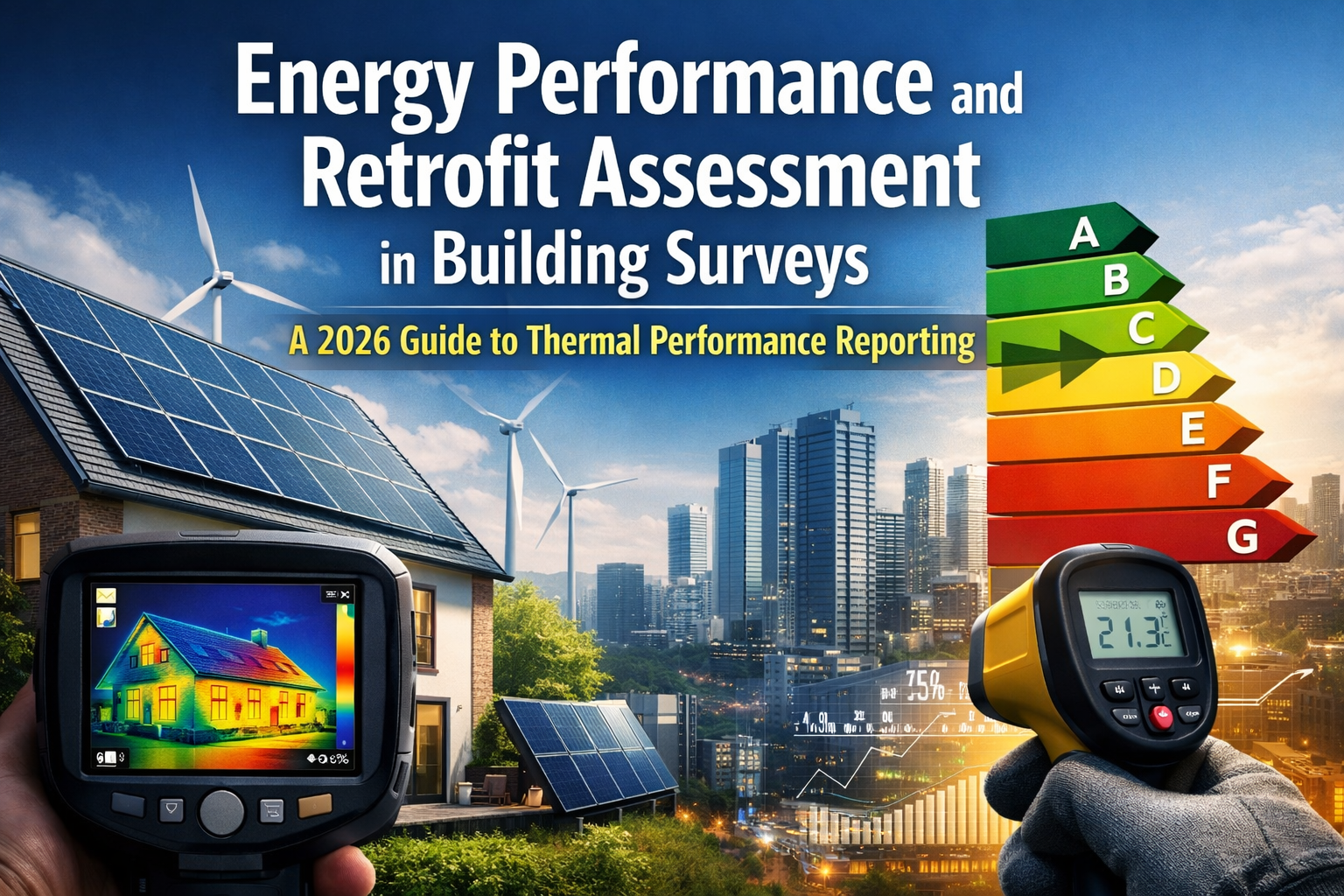

In 2026, the landscape of property surveying has fundamentally shifted. Building surveyors who once focused primarily on structural integrity and visible defects now face growing demands to provide comprehensive energy performance analysis and retrofit cost projections. With over 40 cities expected to implement Building Performance Standards by the end of 2026, and daily fines reaching $100 for non-compliance in jurisdictions like Washington D.C., understanding thermal performance reporting has become essential rather than optional[10][2]. This comprehensive guide explores how building surveyors can integrate Energy Performance and Retrofit Assessment in Building Surveys: A 2026 Guide to Thermal Performance Reporting into their professional practice to meet evolving client expectations and regulatory requirements.
Key Takeaways
- 🏢 Building Performance Standards (BPS) are transitioning from voluntary benchmarking to mandatory compliance frameworks in over 40 cities by end of 2026, requiring surveyors to understand energy performance metrics
- 📊 ASHRAE Level II audits provide the comprehensive assessment framework needed for detailed thermal performance reporting and retrofit opportunity identification
- 💰 Real-time energy monitoring can achieve 10-20% energy cost reductions within the first year through operational changes alone, making it a critical component of retrofit assessments
- ⚖️ Compliance penalties are substantial, with cities like Boston charging $234 per metric ton of excess emissions and Philadelphia imposing $300 daily fines for non-reporting
- 🔍 Thermal imaging technology has become an essential tool for building surveyors to detect hidden energy leaks and quantify retrofit opportunities in 2026
Understanding the 2026 Energy Performance Landscape
The Shift from Disclosure to Compliance
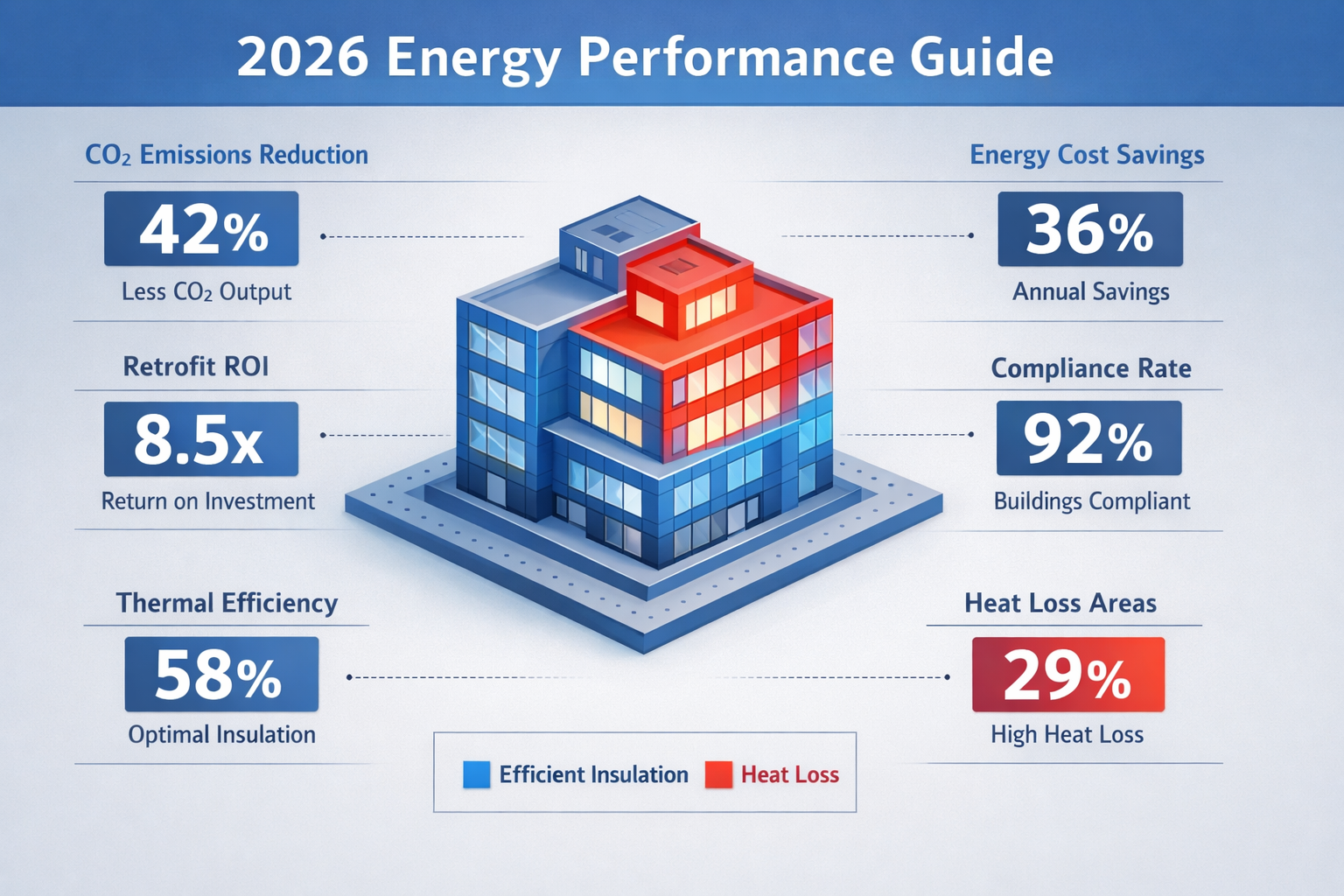
The energy performance reporting landscape has undergone a dramatic transformation. What began as voluntary "report and disclose" benchmarking programs has evolved into stringent "report and improve" compliance frameworks[10]. This shift fundamentally changes the role of building surveyors, who must now provide actionable energy performance data rather than simple observations.
Washington, D.C. exemplifies this regulatory evolution. Starting in calendar year 2025, privately-owned buildings over 10,000 square feet must report energy performance data by May 1, 2026. Non-compliance carries daily fines up to $100, creating significant financial risk for property owners who fail to meet reporting requirements[2].
Building Performance Standards Across Major Markets
By the end of 2026, building performance standards will be active in more than 40 cities across the United States[10]. Each jurisdiction implements unique requirements, timelines, and penalty structures:
| Jurisdiction | Building Size Threshold | Key Compliance Dates | Penalties |
|---|---|---|---|
| Washington, D.C. | 10,000+ sq ft | May 1, 2026 | Up to $100/day |
| Boston (BERDO 2.0) | Varies by type | 2025-2050 (5-year periods) | $234/metric ton excess emissions |
| Philadelphia | Commercial buildings | June 30 annual reports | $300/day non-reporting |
| Colorado | 50,000+ sq ft | Phased by 2030 | EUI/GHGI targets |
| Maryland | State buildings | 2030/2035/2040 | 20%/60%/Net-zero GHG reduction |
| Washington State | Commercial buildings | 2026 compliance cycles | Energy management plans required |
This regulatory complexity requires building surveyors to understand jurisdiction-specific requirements when conducting RICS Building Surveys Level 3 assessments.
The Role of ENERGY STAR Portfolio Manager
ENERGY STAR Portfolio Manager remains the standard benchmarking tool across most jurisdictions[2]. Building surveyors must understand how to collect and verify the data required for accurate benchmarking:
- Gross floor area measured per ANSI/BOMA standards
- EPA property type classifications (75+ categories available)
- Year of construction and major renovation dates
- Number of buildings on the property
- Monthly energy consumption data (electricity, gas, steam, fuel oil)
- Operating characteristics (hours of operation, occupancy levels)
Accurate data collection during the survey process enables property owners to establish baseline performance and identify improvement opportunities.
Integrating Thermal Performance Analysis into Building Surveys
ASHRAE Level II Audits: The Comprehensive Assessment Standard
ASHRAE Level II audits have emerged as the preferred comprehensive assessment method for building performance evaluation[1]. These audits provide detailed assessments that pinpoint improvement opportunities and establish baseline performance data essential for retrofit planning.
A complete ASHRAE Level II audit includes:
- Building envelope assessment – thermal imaging, air leakage testing, insulation evaluation
- Mechanical systems review – HVAC efficiency, distribution losses, control strategies
- Lighting analysis – fixture efficiency, control systems, natural light utilization
- Domestic hot water systems – equipment efficiency, distribution losses, usage patterns
- Plug load assessment – equipment inventory, usage patterns, control opportunities
- Renewable energy potential – solar, geothermal, wind feasibility
When conducting commercial building surveys, surveyors should incorporate ASHRAE Level II methodology to provide comprehensive energy performance reporting.
Thermal Imaging Technology in 2026 Surveys
Thermal imaging has transitioned from specialized equipment to standard surveying tools. Modern thermal cameras detect temperature differentials that reveal:
- Insulation gaps in walls, roofs, and floors
- Air leakage points around windows, doors, and penetrations
- Thermal bridges at structural connections
- HVAC distribution losses in ductwork and piping
- Moisture intrusion that compromises thermal performance
"Thermal imaging provides visual evidence of energy loss that clients can immediately understand, transforming abstract energy concepts into concrete retrofit opportunities."
Surveyors should document thermal anomalies with both thermal and visible light images, noting temperature differentials and estimated heat loss. This documentation supports retrofit cost estimates and prioritization decisions. For properties with suspected defects, a RICS Specialist Defect Survey may be warranted to investigate thermal performance issues in detail.
Energy Performance Metrics Surveyors Must Understand
Building surveyors must be conversant with key energy performance metrics:
Energy Use Intensity (EUI) – Annual energy consumption per square foot (kBtu/sq ft/year or kWh/m²/year). This normalized metric enables comparison across buildings of different sizes and uses.
Greenhouse Gas Intensity (GHGI) – Annual greenhouse gas emissions per square foot (kg CO₂e/sq ft/year). Colorado's Building Performance Standards use GHGI targets as an alternative to EUI requirements[1].
ENERGY STAR Score – A 1-100 rating comparing a building's energy performance to similar buildings nationwide. Scores of 75 or higher qualify for ENERGY STAR certification.
Site vs. Source Energy – Site energy measures consumption at the building, while source energy accounts for generation and transmission losses. Many jurisdictions use source energy for compliance calculations.
Energy Performance and Retrofit Assessment in Building Surveys: Implementation Framework
Conducting the Energy Performance Assessment
A comprehensive energy performance assessment within a building survey follows a systematic approach:
Phase 1: Pre-Survey Data Collection
- Request utility bills (24 months minimum)
- Obtain existing energy audits or commissioning reports
- Review building plans and equipment schedules
- Identify applicable Building Performance Standards
- Determine benchmarking requirements
Phase 2: On-Site Assessment
- Conduct thermal imaging survey of building envelope
- Document HVAC equipment (type, age, capacity, condition)
- Assess lighting systems and controls
- Perform blower door testing for air leakage quantification
- Document insulation types and R-values
- Evaluate window and door performance
- Assess domestic hot water systems
- Inventory major plug loads
Phase 3: Data Analysis and Benchmarking
- Enter data into ENERGY STAR Portfolio Manager
- Calculate EUI and compare to building type median
- Identify performance gaps and outliers
- Quantify thermal losses from envelope deficiencies
- Model energy consumption by end use
Phase 4: Retrofit Opportunity Identification
- Prioritize improvements by cost-effectiveness
- Estimate energy savings for each measure
- Calculate simple payback periods
- Identify utility rebates and incentives
- Assess compliance pathway options
This framework can be integrated into different types of surveys depending on client needs and property complexity.
Prioritizing Energy Efficiency Improvements
Energy audits in 2026 prioritize quantifiable improvements across six key categories[1]:
1. Advanced HVAC Systems
- Variable refrigerant flow (VRF) systems
- High-efficiency condensing boilers
- Energy recovery ventilation (ERV)
- Smart thermostats and zone controls
- Regular maintenance and recommissioning
2. LED Lighting and Controls
- Complete LED retrofits (50-75% energy reduction)
- Occupancy sensors and daylight harvesting
- Networked lighting control systems
- Task lighting to reduce ambient levels
3. Smart Building Controls
- Building automation systems (BAS)
- Demand-controlled ventilation
- Optimum start/stop algorithms
- Real-time energy monitoring dashboards
4. Building Envelope Improvements
- Air sealing and weatherization
- Insulation upgrades (attic, walls, basement)
- High-performance window replacement
- Roof replacement with enhanced insulation
5. Electrification
- Heat pump HVAC systems
- Heat pump water heaters
- Induction cooking equipment
- Electric vehicle charging infrastructure
6. Renewable Energy Procurement
- On-site solar photovoltaic systems
- Community solar subscriptions
- Renewable energy certificates (RECs)
- Power purchase agreements (PPAs)
Real-Time Energy Monitoring Benefits
Real-time energy monitoring systems have proven capable of achieving 10-20% energy cost reductions within the first year through operational changes alone[4]. These systems provide immediate value by:
- Identifying demand spikes that drive peak demand charges
- Detecting schedule drift where equipment runs beyond occupied hours
- Revealing equipment malfunctions through abnormal consumption patterns
- Enabling performance verification after retrofit implementation
- Supporting compliance reporting with automated data collection
Building surveyors should recommend real-time monitoring systems as a foundational retrofit measure that enables ongoing performance optimization.
Thermal Performance Reporting Requirements by Jurisdiction
Washington State Clean Buildings Performance Standard
Washington State's Clean Buildings Performance Standard begins compliance cycles in 2026, requiring affected buildings to implement[1]:
- Energy management plans documenting building systems and performance targets
- Operations and maintenance enhancements including preventive maintenance schedules
- EUI targets based on building type and use
- Retro-commissioning for buildings over 50,000 square feet
- Energy efficiency upgrades to meet performance standards
Building surveyors working in Washington must understand these requirements when conducting RICS commercial building surveys to provide accurate compliance assessments.
Colorado Building Performance Standards
Building Performance Colorado requires buildings over 50,000 square feet to meet phased energy use intensity (EUI) or greenhouse gas intensity (GHGI) targets by 2030[1]. The program offers flexibility:
- Performance pathway – Meet prescribed EUI or GHGI targets
- Prescriptive pathway – Implement specified energy efficiency measures
- Alternative compliance – Demonstrate equivalent emissions reductions
Surveyors must calculate current EUI/GHGI and model the improvements needed to achieve compliance by the 2030 deadline.
Maryland Building Energy Performance Standards
Maryland has established aggressive greenhouse gas reduction targets for covered buildings[1]:
- 20% GHG reduction by 2030 (baseline year 2025)
- 60% GHG reduction by 2035
- Net-zero emissions by 2040
These targets require comprehensive retrofit planning that goes beyond incremental improvements. Building surveyors must identify deep energy retrofit opportunities including:
- Complete building envelope upgrades
- HVAC electrification with heat pumps
- On-site renewable energy generation
- Energy storage systems
- Advanced building automation
Boston BERDO 2.0 Compliance Framework
Boston's Building Emissions Reduction and Disclosure Ordinance (BERDO 2.0) runs five-year compliance periods from 2025 through 2050[4]. Buildings exceeding emissions limits must either:
- Implement retrofits to achieve compliance
- Pay alternative compliance payments of $234 per metric ton into the Equitable Emissions Investment Fund
- Pursue hardship exemptions (limited circumstances)
The substantial penalty structure makes retrofit planning essential. Surveyors should calculate projected emissions for each compliance period and identify the retrofit pathway that minimizes total cost of ownership.
Philadelphia Energy Benchmarking and Disclosure
Philadelphia imposes $300 per day penalties for non-reporting on annual benchmarking and energy audits, with reports due June 30[4]. Covered buildings must:
- Benchmark annually using ENERGY STAR Portfolio Manager
- Conduct energy audits every five years
- Disclose energy performance to prospective buyers and tenants
- Implement audit recommendations or document reasons for deferral
Building surveyors should verify benchmarking compliance and audit status during homebuyer surveys and commercial property assessments.
Retrofit Cost Estimation and Financial Analysis
Developing Accurate Retrofit Cost Estimates
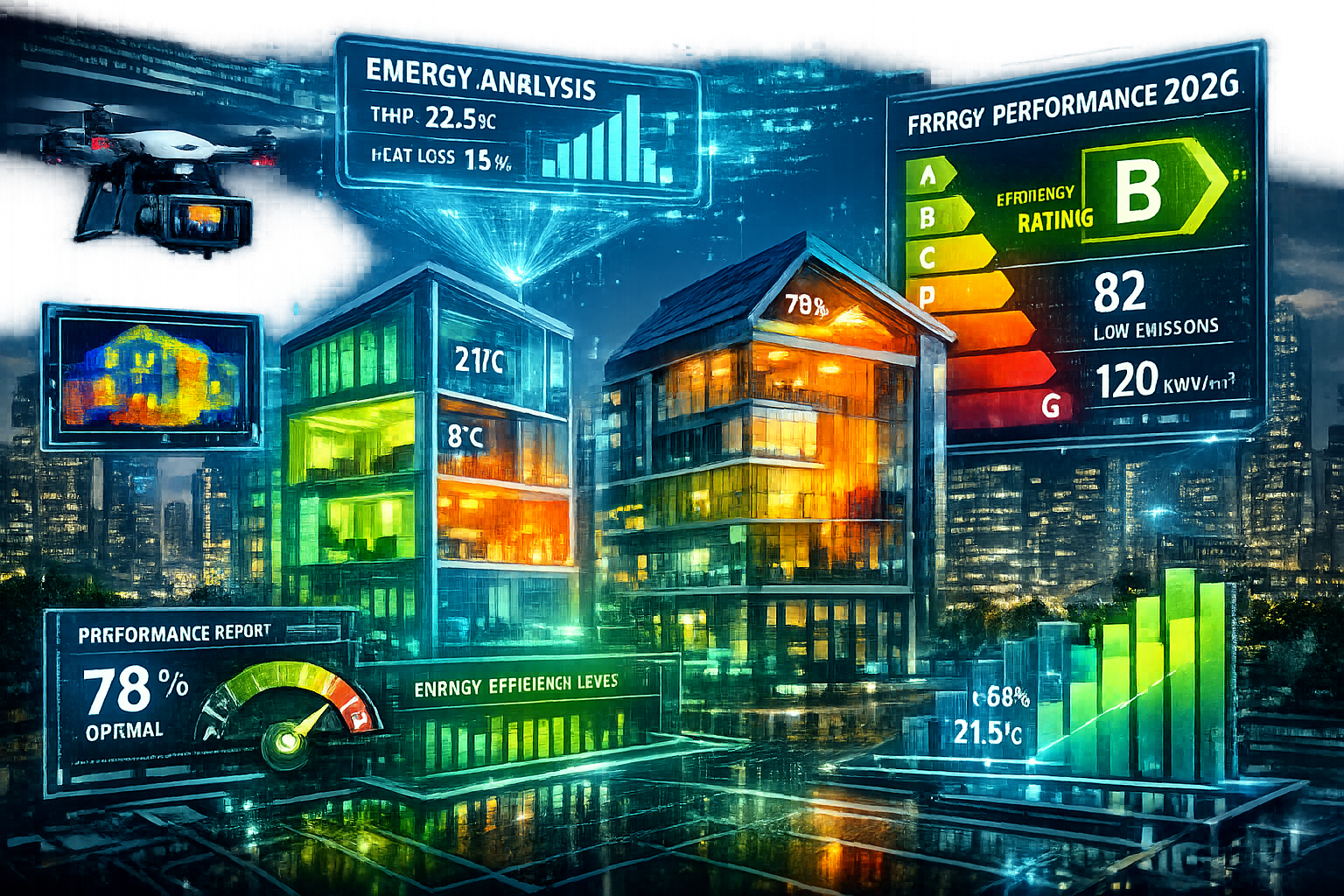
Building surveyors increasingly face client expectations for detailed retrofit cost estimates. Accurate estimates require:
Component-Level Pricing
- Material costs based on current market conditions
- Labor rates for qualified contractors
- Equipment rental and disposal costs
- Permit and inspection fees
- Contingency allowances (typically 10-15%)
Economies of Scale Considerations
- Bundling multiple measures reduces mobilization costs
- Whole-building retrofits achieve better pricing than piecemeal approaches
- Timing retrofits with planned renovations minimizes incremental costs
Incentive and Rebate Integration
- Utility energy efficiency rebates
- Federal tax credits (25C, 179D, 48C)
- State and local grant programs
- Low-interest financing programs
- PACE (Property Assessed Clean Energy) financing
Financial Metrics for Retrofit Evaluation
Clients need clear financial analysis to make informed retrofit decisions. Essential metrics include:
Simple Payback Period (SPP)
SPP = Initial Investment / Annual Energy Savings
Most clients target SPP of 5-10 years for building envelope improvements and 3-7 years for mechanical system upgrades.
Return on Investment (ROI)
ROI = (Annual Savings × Equipment Life - Initial Investment) / Initial Investment × 100%
ROI accounts for measure lifespan, providing a more complete financial picture than simple payback.
Net Present Value (NPV)
NPV = Σ (Annual Savings / (1 + Discount Rate)^Year) - Initial Investment
NPV accounts for time value of money, enabling comparison of measures with different lifespans and cash flow patterns.
Internal Rate of Return (IRR)
The discount rate at which NPV equals zero, representing the effective annual return on the retrofit investment.
Compliance Cost vs. Retrofit Cost Analysis
For properties subject to Building Performance Standards, surveyors should compare:
- Retrofit costs to achieve compliance through performance improvements
- Alternative compliance payments over the building ownership period
- Blended approaches combining partial retrofits with reduced compliance payments
For example, a Boston property facing $50,000 in annual alternative compliance payments might justify a $250,000 retrofit with a 5-year payback, even before accounting for energy savings.
Reporting Thermal Performance in Survey Documents
Structuring the Energy Performance Section
Energy performance reporting should be integrated into survey reports as a distinct section with clear organization:
Executive Summary
- Current energy performance rating and benchmarking results
- Compliance status with applicable Building Performance Standards
- Priority retrofit recommendations with estimated costs
- Projected energy savings and payback periods
Current Performance Assessment
- Energy consumption data and trends
- EUI calculation and comparison to building type median
- ENERGY STAR score (if applicable)
- Greenhouse gas emissions quantification
- Utility cost analysis
Thermal Performance Findings
- Building envelope assessment results
- Thermal imaging findings with annotated images
- Air leakage test results
- Insulation deficiencies and thermal bridges
- Window and door performance evaluation
Mechanical Systems Evaluation
- HVAC equipment inventory and condition assessment
- System efficiency ratings and age
- Distribution system losses
- Control system capabilities
- Maintenance history and recommendations
Retrofit Recommendations
- Prioritized list of energy efficiency measures
- Cost estimates for each measure
- Energy savings projections
- Simple payback and ROI calculations
- Compliance pathway analysis
Implementation Roadmap
- Phased retrofit plan aligned with capital planning
- Immediate, near-term, and long-term measures
- Coordination with planned renovations
- Recommended next steps and professional consultations
Visual Communication of Thermal Performance
Effective thermal performance reporting relies heavily on visual communication:
Thermal Images
- Side-by-side thermal and visible light images
- Temperature scale calibration and annotation
- Problem area highlighting and labeling
- Quantified temperature differentials
Energy Consumption Graphs
- Monthly consumption trends
- Year-over-year comparisons
- Breakdown by fuel type
- Weather normalization
Benchmarking Comparisons
- EUI comparison to building type median
- Peer building performance distribution
- Historical performance trends
- Compliance target visualization
Retrofit Cost-Benefit Charts
- Measure costs vs. annual savings scatter plots
- Payback period comparison bars
- Cumulative savings over time
- NPV comparison for competing measures
Compliance Documentation Requirements
Building surveyors must understand documentation requirements for various compliance frameworks:
ENERGY STAR Portfolio Manager
- Verification of gross floor area measurements
- Utility account documentation
- Operating characteristic verification
- Third-party verification (where required)
Building Performance Standards
- Baseline performance documentation
- Energy management plan components
- Commissioning and retro-commissioning reports
- Verification of implemented measures
Audit Standards
- ASHRAE Level I, II, or III documentation
- Equipment inventory and specifications
- Measurement and verification protocols
- Professional engineer or certified energy auditor certification
Professional Development for Energy Performance Assessment
Required Knowledge and Skills
Building surveyors seeking to provide comprehensive energy performance assessment should develop expertise in:
Technical Knowledge
- Building science fundamentals (heat transfer, air flow, moisture dynamics)
- HVAC system types and efficiency metrics
- Lighting technology and controls
- Building envelope construction and materials
- Energy modeling software proficiency
- Thermal imaging interpretation
Regulatory Knowledge
- Building Performance Standards by jurisdiction
- Energy code requirements
- Utility rebate programs
- Tax incentive eligibility criteria
- Professional certification requirements
Financial Analysis
- Life cycle cost analysis
- Energy savings calculations
- Incentive and financing program evaluation
- Risk assessment and sensitivity analysis
Relevant Certifications and Training
Professional credentials that enhance energy performance assessment capabilities include:
- Certified Energy Manager (CEM) – Association of Energy Engineers
- Building Energy Assessment Professional (BEAP) – RESNET
- Certified Energy Auditor (CEA) – Association of Energy Engineers
- HERS Rater Certification – RESNET
- Thermography Level I & II – Infrared Training Center
- LEED AP BD+C – U.S. Green Building Council
- Passive House Consultant – Passive House Institute
These certifications demonstrate specialized knowledge and enhance credibility when providing energy performance assessments as part of RICS building surveys.
Collaboration with Energy Professionals
Complex energy performance assessments often require collaboration with specialized professionals:
Mechanical Engineers
- HVAC system design and optimization
- Load calculations and equipment sizing
- Control system programming
- Commissioning and performance verification
Energy Modelers
- Whole-building energy simulation
- Parametric analysis of retrofit options
- Compliance pathway modeling
- Utility incentive application support
Envelope Consultants
- Hygrothermal analysis
- Air barrier and insulation design
- Window and door performance specifications
- Moisture management strategies
Renewable Energy Consultants
- Solar PV system design and economics
- Geothermal feasibility assessment
- Energy storage integration
- Interconnection and net metering analysis
Building surveyors should develop referral networks with these specialists to provide comprehensive service when projects exceed their expertise.
Emerging Technologies and Future Trends
Advanced Diagnostic Tools
Energy performance assessment tools continue to evolve:
Drone-Based Thermal Imaging
Unmanned aerial vehicles equipped with thermal cameras enable:
- Rapid roof and facade surveys
- Inaccessible area inspection
- Large building envelope assessment
- Comparative analysis across building portfolios
3D Laser Scanning Integration
Combining laser scanning with thermal imaging creates:
- Accurate as-built models with thermal overlay
- Quantified heat loss by building component
- Virtual building performance walkthroughs
- Integration with energy modeling software
Artificial Intelligence Analysis
Machine learning algorithms can:
- Identify thermal anomaly patterns
- Predict equipment failures before occurrence
- Optimize HVAC scheduling based on occupancy patterns
- Benchmark performance against similar buildings
Building Performance Standards Evolution
The regulatory landscape will continue evolving through 2026 and beyond:
Expanded Coverage
- Lower building size thresholds
- Inclusion of residential properties
- Whole-building vs. tenant space requirements
- Portfolio-level compliance options
Stricter Targets
- Declining EUI and GHGI limits over time
- Alignment with climate action goals
- Embodied carbon considerations
- Grid harmonization requirements
Enhanced Enforcement
- Automated compliance monitoring
- Real-time performance reporting
- Escalating penalty structures
- Public disclosure requirements
Building surveyors must stay current with regulatory developments to provide accurate compliance guidance.
Integration with Property Transactions
Energy performance is becoming increasingly integrated into property transactions:
Disclosure Requirements
- Mandatory energy performance disclosure to buyers
- Inclusion in listing information
- Standardized reporting formats
- Verification requirements
Value Impact
- Energy performance premiums in property values
- Financing advantages for high-performance buildings
- Insurance rate adjustments based on performance
- Tenant attraction and retention benefits
Due Diligence Evolution
- Energy performance as standard due diligence component
- Retrofit cost reserves in transaction negotiations
- Compliance liability allocation in purchase agreements
- Performance warranty provisions
Surveyors conducting specific defect reports should anticipate growing client focus on energy performance issues.
Case Studies: Energy Performance Assessment in Practice
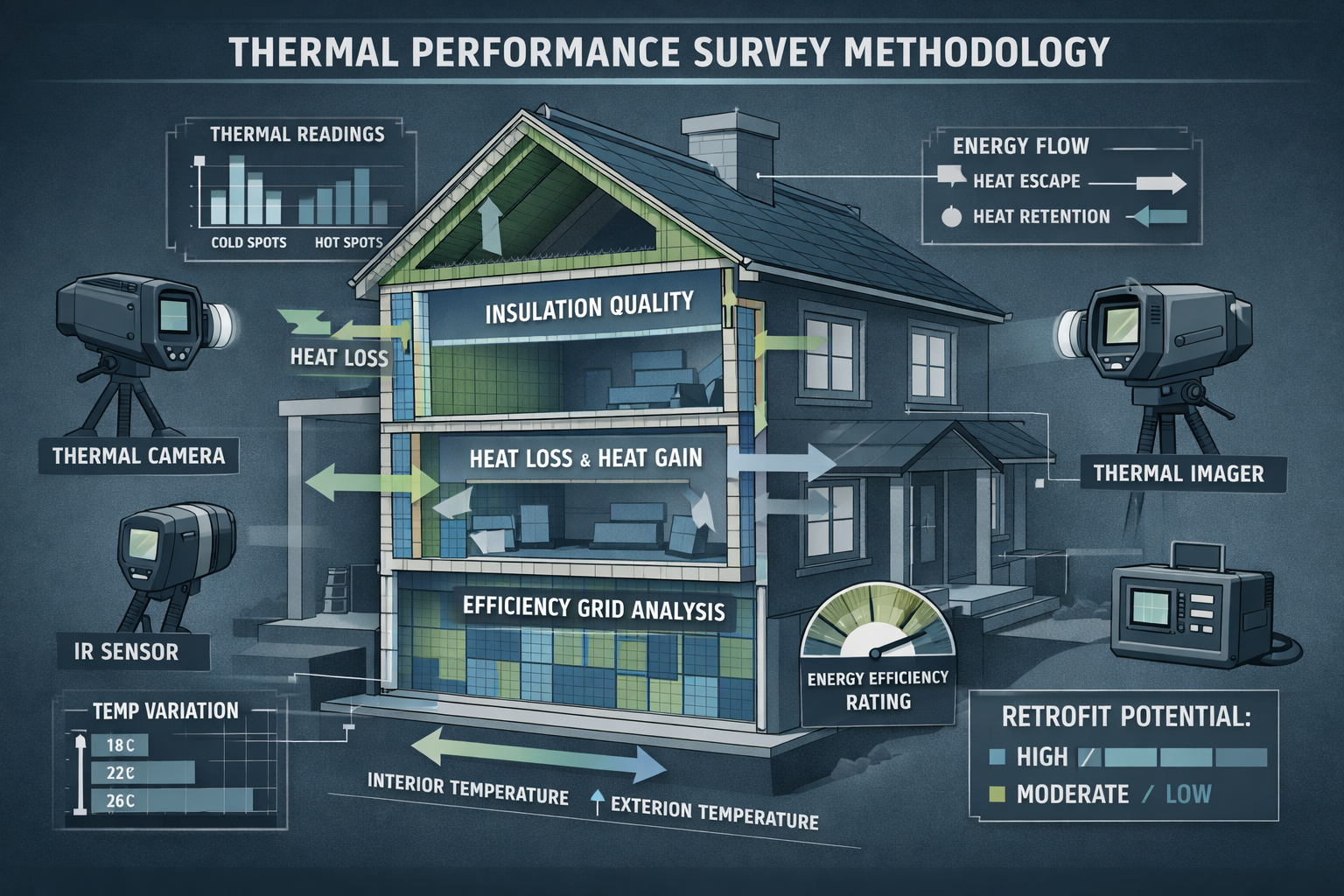
Case Study 1: Office Building Retrofit Assessment
Property: 75,000 sq ft office building, Boston, MA
Built: 1985
Current EUI: 95 kBtu/sq ft/year
BERDO 2.0 Target: 65 kBtu/sq ft/year by 2030
Assessment Findings:
- Thermal imaging revealed significant envelope heat loss
- HVAC system 20+ years old, operating at 65% efficiency
- T12 fluorescent lighting throughout
- No building automation system
- Single-pane windows with aluminum frames
Recommended Retrofit Package:
- HVAC replacement with VRF system – $450,000
- Complete LED lighting retrofit with controls – $120,000
- Window replacement with triple-pane units – $380,000
- Roof replacement with R-40 insulation – $280,000
- Building automation system – $95,000
- Air sealing and insulation upgrades – $75,000
Total Investment: $1,400,000
Projected EUI: 58 kBtu/sq ft/year
Annual Energy Savings: $145,000
Simple Payback: 9.7 years
Alternative Compliance Cost Avoided: $62,000/year
Case Study 2: Multi-Family Building Benchmarking Compliance
Property: 120-unit apartment building, Washington, D.C.
Built: 1975
Size: 95,000 sq ft
Compliance Requirement: Benchmark by May 1, 2026
Assessment Process:
- Collected 24 months of utility data (electric, gas, water)
- Verified gross floor area using building plans
- Documented property characteristics (units, amenities, laundry facilities)
- Entered data into ENERGY STAR Portfolio Manager
- Obtained ENERGY STAR score of 48 (below median)
Findings:
- Domestic hot water system inefficient (standing pilot boilers)
- Common area lighting still incandescent/CFL
- No individual unit metering
- Poor attic insulation (R-11)
- Significant air leakage around windows
Priority Recommendations:
- Install condensing boilers with indirect water heaters – $85,000
- LED retrofit of common areas – $18,000
- Attic insulation upgrade to R-49 – $42,000
- Window weatherstripping and caulking – $15,000
Projected Improvement: ENERGY STAR score increase to 62
Compliance Status: Achieved
Total Investment: $160,000
Annual Savings: $28,000
Simple Payback: 5.7 years
Case Study 3: Warehouse Energy Management Plan
Property: 180,000 sq ft distribution warehouse, Washington State
Built: 2005
Compliance Requirement: Energy Management Plan by 2026
Assessment Components:
- Building systems inventory and documentation
- Energy consumption analysis by end use
- Operations and maintenance protocol review
- EUI benchmarking and target setting
- Retro-commissioning scope development
Key Findings:
- HVAC system serving office area oversized by 40%
- Warehouse heating system operating 24/7
- High-bay metal halide lighting (400W fixtures)
- No daylight harvesting despite extensive skylights
- Compressed air system leakage estimated at 30%
Energy Management Plan Components:
-
Immediate Actions (0-6 months)
- HVAC scheduling optimization
- Compressed air leak repair
- Temperature setpoint adjustments
- Projected savings: $18,000/year
-
Near-Term Measures (6-18 months)
- LED high-bay retrofit with daylight sensors – $125,000
- HVAC controls upgrade – $35,000
- Projected additional savings: $42,000/year
-
Long-Term Planning (2-5 years)
- HVAC right-sizing at end of life
- Solar PV installation (roof replacement trigger)
- Electric forklift fleet conversion
Compliance Status: Energy Management Plan approved
First-Year Savings: $18,000 (operational changes only)
Three-Year Projected Savings: $60,000/year
Conclusion: Positioning for Success in 2026 and Beyond
The integration of Energy Performance and Retrofit Assessment in Building Surveys: A 2026 Guide to Thermal Performance Reporting represents a fundamental evolution in surveying practice. As Building Performance Standards expand to over 40 cities with substantial compliance penalties, building surveyors who develop energy performance assessment capabilities will differentiate themselves in an increasingly competitive market.
Success requires a multi-faceted approach:
Technical Competency – Invest in thermal imaging equipment, energy modeling software, and diagnostic tools. Develop proficiency in ASHRAE Level II audit methodology and benchmarking protocols.
Regulatory Knowledge – Stay current with Building Performance Standards in your service areas. Understand compliance pathways, deadlines, and penalty structures. Monitor emerging requirements and expanded coverage.
Professional Development – Pursue relevant certifications such as Certified Energy Manager or Building Energy Assessment Professional. Attend training on building science fundamentals and energy efficiency technologies.
Collaborative Networks – Build relationships with mechanical engineers, energy modelers, and specialized consultants. Develop referral partnerships that enable comprehensive service delivery.
Communication Skills – Master visual communication of thermal performance findings. Translate technical data into actionable recommendations with clear financial analysis.
Actionable Next Steps
Building surveyors ready to enhance their energy performance assessment capabilities should:
-
Audit Current Capabilities – Assess existing equipment, knowledge, and service offerings. Identify gaps in thermal performance reporting capabilities.
-
Invest in Equipment – Acquire quality thermal imaging camera with appropriate resolution and temperature range. Consider blower door testing equipment for quantitative air leakage assessment.
-
Develop Templates – Create standardized reporting templates for energy performance sections. Build databases of typical retrofit costs and energy savings by measure type.
-
Pursue Training – Enroll in thermography certification courses. Complete ASHRAE Level II audit training. Learn ENERGY STAR Portfolio Manager navigation.
-
Study Regulations – Research Building Performance Standards in your service areas. Download compliance guidance documents. Attend stakeholder meetings and workshops.
-
Market New Services – Update service descriptions to highlight energy performance assessment capabilities. Develop case studies demonstrating value delivered. Target property owners facing compliance deadlines.
-
Build Partnerships – Identify qualified energy professionals for collaboration. Establish referral agreements with mechanical engineers and energy modelers. Join green building professional organizations.
The building surveying profession stands at an inflection point. Those who embrace energy performance assessment as a core competency will thrive in the evolving regulatory landscape, while those who resist adaptation will find themselves increasingly marginalized. The tools, knowledge, and frameworks outlined in this guide provide a roadmap for professional evolution that serves both surveyor business interests and the broader societal imperative of building performance improvement.
Whether conducting RICS Building Surveys Level 3 or commercial property assessments, integrating comprehensive thermal performance reporting positions surveyors as trusted advisors guiding clients through the complex intersection of property condition, energy performance, and regulatory compliance in 2026 and beyond.
References
[1] 3 Steps To Navigate Building Performance Standards In 2026 – https://facilitiesmanagementadvisor.com/green-building/3-steps-to-navigate-building-performance-standards-in-2026/
[2] Energy Benchmarking – https://rimkus.com/article/energy-benchmarking/
[3] Preparing For 2026 Bps – https://www.codegreen.com/insights/preparing-for-2026-bps
[4] Building Performance Standards – https://envigilance.com/energy-monitoring/building-performance-standards/
[5] facilitiesdive – https://www.facilitiesdive.com/news/map-tracking-building-performance-standards-across-the-us/743214/
[6] Benchmarking And Building Performance Standards Policy Toolkit – https://www.epa.gov/statelocalenergy/benchmarking-and-building-performance-standards-policy-toolkit
[7] What 2026 Alta Nsps Updates Mean For Cre Professionals – https://www.partneresi.com/resources/articles/what-2026-alta-nsps-updates-mean-for-cre-professionals/
[8] Thermal Imaging In Building Surveys Detecting Hidden Energy Leaks And Retrofit Opportunities In 2026 – https://nottinghillsurveyors.com/blog/thermal-imaging-in-building-surveys-detecting-hidden-energy-leaks-and-retrofit-opportunities-in-2026
[9] Building Energy Security And Efficiency – https://www.gsa.gov/governmentwide-initiatives/federal-highperformance-buildings/highperformance-building-clearinghouse/energy/building-energy-security-and-efficiency
[10] Building Performance Standards Move To Policy To Practice – https://environenergy.com/2026/02/building-performance-standards-move-to-policy-to-practice/