
Council Property Surveyor: Your Complete Guide to Understanding Their Role and Services in 2026
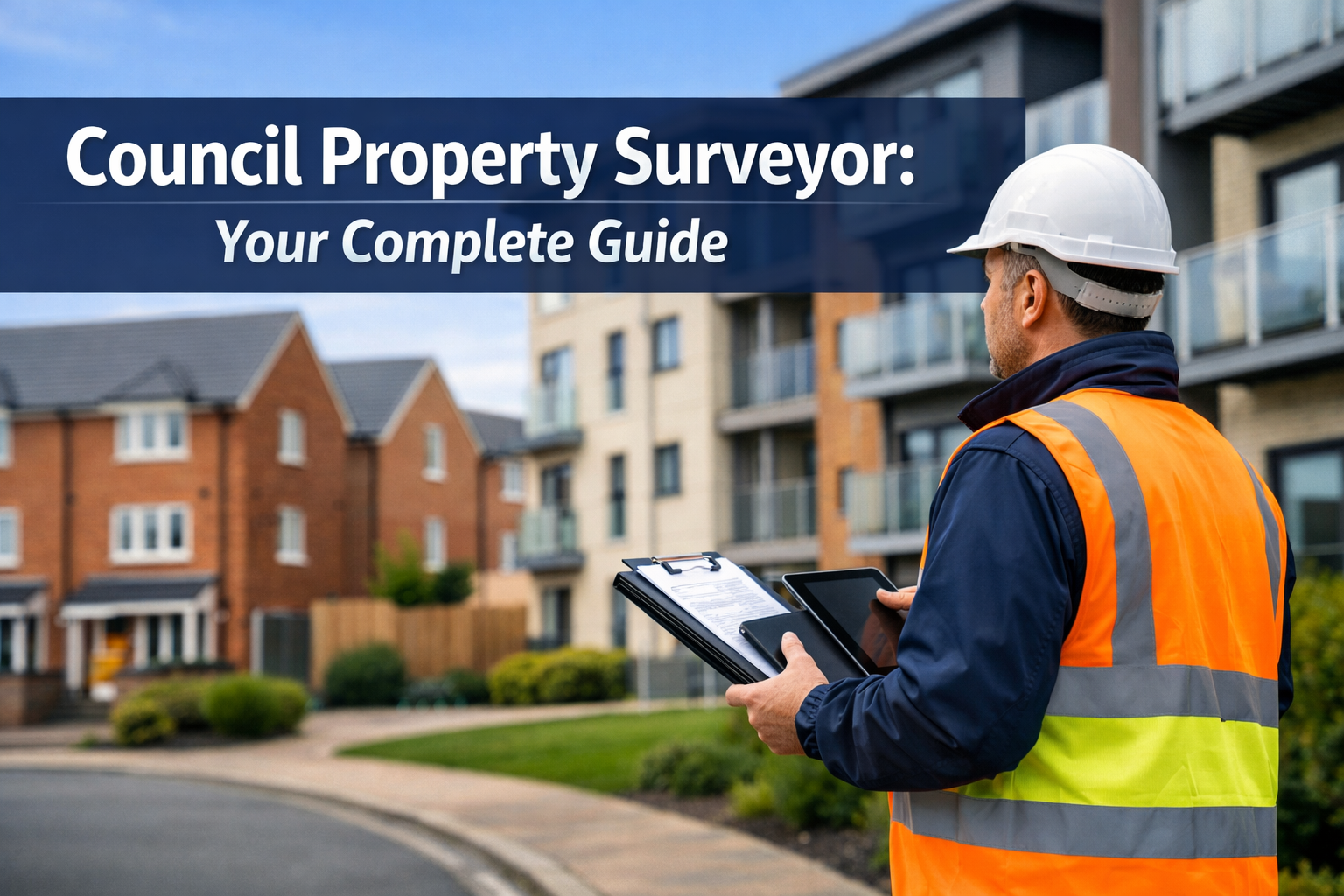
When council properties require assessment, maintenance planning, or valuation, one professional stands at the center of ensuring safety, compliance, and value: the council property surveyor. These specialized professionals manage millions of pounds worth of public housing assets while safeguarding the wellbeing of thousands of residents across the UK. Understanding their role has never been more critical as councils face increasing pressure to maintain aging housing stock while meeting stringent safety standards.
Key Takeaways
- 🏘️ Council property surveyors specialize in assessing, maintaining, and managing local authority housing stock, ensuring safety and compliance with building regulations
- 📋 These professionals conduct various surveys including condition assessments, stock condition surveys, and pre-acquisition inspections for council properties
- 💰 Council surveyors help local authorities make informed decisions about property investments, maintenance budgets, and long-term asset management strategies
- 🔍 Their work differs from private sector surveyors through focus on social housing obligations, public accountability, and regulatory compliance specific to council properties
- ✅ Hiring qualified surveyors ensures properties meet safety standards, protects tenant welfare, and maximizes value for public investment
What Is a Council Property Surveyor?
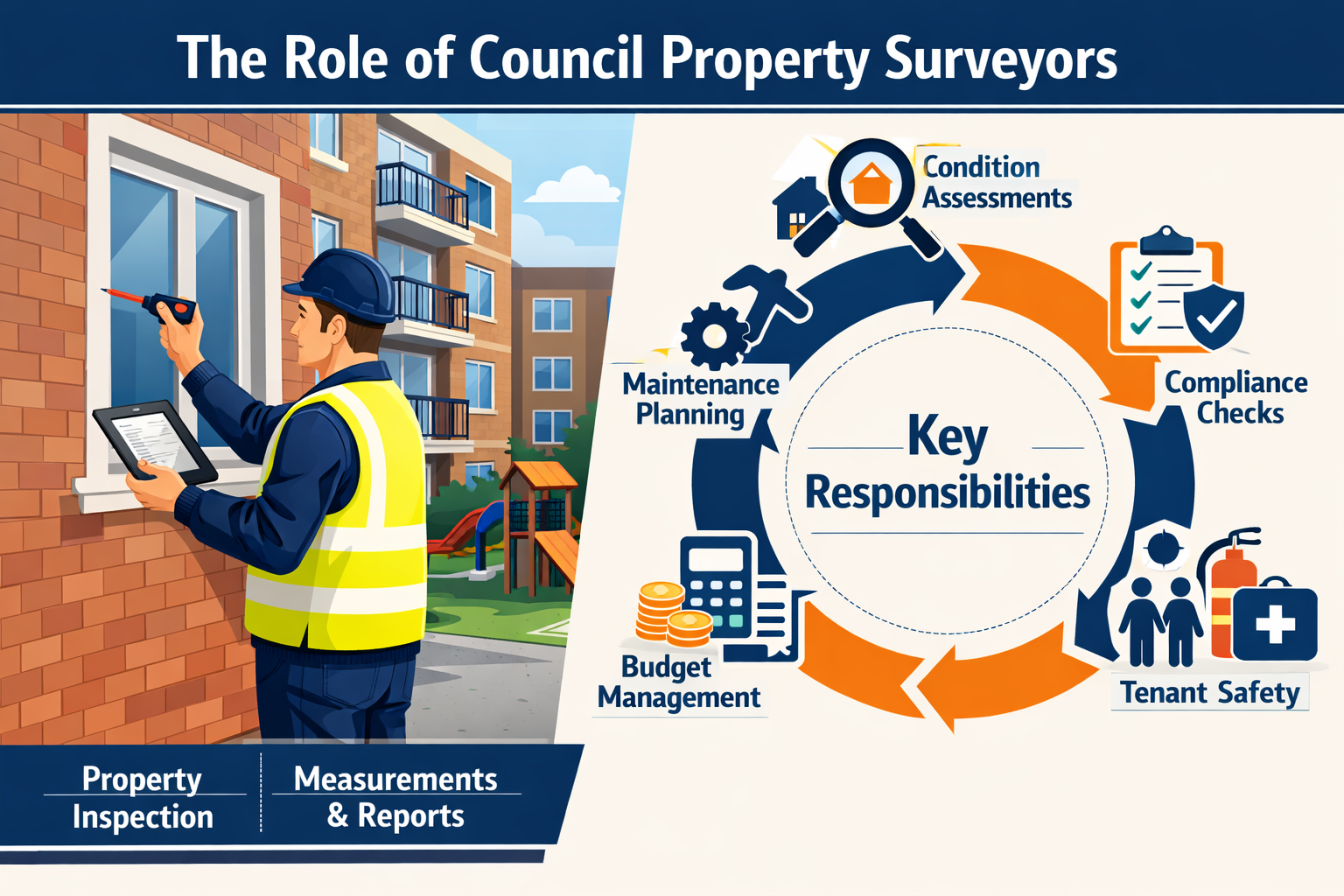
A council property surveyor is a qualified professional who specializes in assessing, evaluating, and managing properties owned by local authorities. These experts work either directly for councils or as independent consultants, providing essential services that keep public housing safe, compliant, and well-maintained.
Unlike general chartered surveyors, council property surveyors focus specifically on the unique challenges of social housing. They understand the regulatory framework governing council properties, including tenant rights, housing quality standards, and local authority obligations.
Core Responsibilities
Council property surveyors handle a diverse range of tasks:
Property Assessment & Inspection 🔍
- Conducting detailed condition surveys of council housing stock
- Identifying structural defects, dampness, and safety hazards
- Assessing compliance with Decent Homes Standards
- Evaluating properties for acquisition or disposal
Maintenance Planning & Budgeting 💷
- Developing long-term maintenance programs
- Prioritizing repair work based on urgency and available funding
- Preparing cost estimates for refurbishment projects
- Managing capital investment programs
Regulatory Compliance ✅
- Ensuring properties meet current building regulations
- Monitoring fire safety standards post-Grenfell
- Verifying energy efficiency requirements (EPC ratings)
- Conducting asbestos and hazardous materials surveys
Tenant Support & Communication 🤝
- Investigating tenant complaints about property conditions
- Providing technical advice on repair requests
- Liaising with residents during major works
- Ensuring minimal disruption during inspections
The Different Types of Council Property Surveys
Council property surveyors conduct various types of surveys, each serving specific purposes within local authority property management. Understanding these distinctions helps councils commission appropriate assessments and allocate resources effectively.
Stock Condition Surveys
These comprehensive assessments evaluate the overall state of a council’s entire housing portfolio. Surveyors systematically inspect properties to create a detailed database of:
- Building component conditions (roofs, windows, heating systems)
- Remaining life expectancy of major elements
- Required maintenance over 30-year planning periods
- Investment needs and priority rankings
Stock condition surveys typically follow a sampling methodology, inspecting representative properties across the council’s estate to extrapolate findings across similar property types.
Pre-Acquisition Surveys
Before purchasing properties to expand social housing stock, councils commission detailed surveys to assess:
| Assessment Area | Key Considerations |
|---|---|
| Structural Integrity | Foundation stability, wall condition, roof structure |
| Building Services | Heating, electrical, plumbing systems condition |
| Compliance Issues | Building regulation breaches, planning violations |
| Repair Costs | Immediate and long-term investment requirements |
| Value Assessment | Fair market value versus asking price |
These surveys protect public funds by identifying hidden defects that could result in unexpected costs. Professional surveyors provide detailed reports that inform purchase decisions and negotiation strategies.
Void Property Inspections
When tenancies end, council property surveyors inspect vacant properties to:
- Assess damage beyond normal wear and tear
- Identify required repairs before re-letting
- Estimate refurbishment costs
- Determine appropriate timescales for works
Quick turnaround on void inspections minimizes rental income loss while ensuring new tenants move into safe, decent homes.
Disrepair and Liability Surveys
When tenants raise formal complaints about property conditions or pursue legal action for disrepair, council property surveyors provide independent assessments that:
- Document current property conditions with photographic evidence
- Determine responsibility for reported defects
- Assess whether issues constitute actionable disrepair
- Provide expert witness testimony if cases proceed to court
Understanding surveyor pricing helps councils budget appropriately for these essential services.
Council Property Surveyor vs. Private Sector Surveyor: Key Differences
While both council and private sector surveyors share fundamental qualifications and skills, their work contexts create important distinctions:
Focus and Priorities
Council Property Surveyors prioritize:
- Social housing obligations and tenant welfare
- Long-term asset management over decades
- Public accountability and transparency
- Compliance with social housing regulations
- Value for public money
Private Sector Surveyors typically focus on:
- Individual client interests
- Property transactions and valuations
- Commercial viability
- Market-driven timescales
- Competitive advantage
Regulatory Environment
Council surveyors navigate a complex regulatory landscape including:
- The Decent Homes Standard
- Housing Health and Safety Rating System (HHSRS)
- Social Housing White Paper requirements
- Tenant satisfaction measures
- Regulator of Social Housing standards
Private surveyors working on residential properties focus more on building survey standards and lender requirements.
Scale and Scope
Council property surveyors often manage:
- Portfolios of thousands of properties
- Multi-year capital programs worth millions
- Diverse property types from tower blocks to bungalows
- Community facilities and commercial premises
This large-scale responsibility requires sophisticated asset management systems and strategic planning capabilities.
Qualifications and Expertise Required
Becoming a council property surveyor requires substantial education, training, and professional development:
Essential Qualifications 🎓
Academic Foundation
- Degree in Building Surveying, Real Estate, or related field
- RICS-accredited program preferred
- Understanding of construction technology and building pathology
Professional Membership
- Royal Institution of Chartered Surveyors (RICS) membership
- AssocRICS or MRICS designation
- Continuing Professional Development (CPD) requirements
Specialist Knowledge
- Social housing legislation and policy
- Local authority governance and procurement
- Health and safety regulations
- Building regulations and planning law
- Energy efficiency and sustainability standards
Technical Skills
Effective council property surveyors possess:
Inspection Expertise 🔧
- Detailed knowledge of building defects and failure mechanisms
- Ability to identify damp and timber issues
- Understanding of structural problems
- Recognition of health and safety hazards
Analytical Capabilities 📊
- Cost estimation and budget preparation
- Life cycle costing and investment appraisal
- Risk assessment and prioritization
- Data analysis and reporting
Communication Skills 💬
- Clear report writing for technical and non-technical audiences
- Effective liaison with tenants, contractors, and council officers
- Presentation skills for committee meetings
- Negotiation abilities for contractor management
When Councils Need Property Surveyors
Local authorities engage council property surveyors in numerous scenarios throughout the property lifecycle:
Planned Maintenance Programs
Councils commission surveys to develop comprehensive maintenance strategies that:
- Prevent emergency repairs through proactive intervention
- Optimize spending across the housing portfolio
- Extend the life of building components
- Improve energy efficiency and reduce carbon emissions
Strategic planning based on survey data helps councils meet their obligations while managing limited budgets effectively.
Property Acquisitions and Disposals
Whether expanding social housing stock or rationalizing assets, councils rely on surveyors for:
Acquisition Support
- Market valuations and purchase recommendations
- Condition assessments and repair cost estimates
- Due diligence on legal and planning issues
- Negotiation support and bid preparation
Disposal Advice
- Identifying properties suitable for sale
- Maximizing capital receipts through informed pricing
- Ensuring compliance with disposal regulations
- Managing Right to Buy applications
Compliance and Safety Inspections
Following high-profile incidents like the Grenfell Tower fire, council property surveyors play crucial roles in:
- Fire safety assessments of high-rise buildings
- Cladding surveys and remediation planning
- Electrical safety inspections (every five years minimum)
- Gas safety checks coordination
- Asbestos management surveys
These inspections protect residents while ensuring councils meet their legal duties of care.
Tenant Complaint Investigations
When residents report property issues, council property surveyors provide independent assessments that:
- Verify the nature and extent of reported problems
- Determine appropriate remedial actions
- Establish timescales for repairs
- Assess compensation claims where applicable
Impartial expertise helps resolve disputes fairly while maintaining positive tenant relationships.
Major Works and Regeneration Projects
Large-scale improvement programs require detailed survey work including:
- Feasibility studies for estate regeneration
- Options appraisals comparing refurbishment versus rebuild
- Technical specifications for contractor procurement
- Project monitoring and quality assurance
- Post-completion snagging inspections
Understanding structural survey costs helps councils budget appropriately for these comprehensive assessments.
The Council Property Survey Process: What to Expect
Whether you’re a council officer commissioning surveys or a tenant whose property will be inspected, understanding the typical process helps set appropriate expectations.
Step 1: Initial Instruction and Scoping
The council or property department defines:
- Survey objectives and specific concerns
- Property details and access arrangements
- Required deliverables and reporting formats
- Timescales and budget parameters
Clear instructions ensure surveyors focus on priority issues and deliver relevant information.
Step 2: Pre-Inspection Preparation
Professional council property surveyors:
- Review property records and previous survey reports
- Examine planning and building control history
- Check for known issues or tenant complaints
- Arrange access with tenants (giving proper notice)
- Prepare equipment and safety measures
Thorough preparation improves inspection efficiency and ensures nothing is overlooked.
Step 3: On-Site Inspection
During the property visit, surveyors systematically examine:
External Elements 🏠
- Roof coverings, chimneys, and rainwater goods
- External walls, render, and brickwork
- Windows, doors, and external joinery
- Foundations and drainage systems
- Outbuildings and boundary structures
Internal Elements 🛋️
- Internal walls, ceilings, and floors
- Staircases and balustrades
- Kitchens and bathrooms
- Heating and hot water systems
- Electrical installations (visual inspection)
- Ventilation and condensation issues
Surveyors document findings through:
- Detailed written notes
- Photographs of defects and general conditions
- Measurements where relevant
- Sketches or diagrams of complex issues
The inspection duration varies based on property size and survey type, but typically ranges from 1-3 hours for individual properties. Learn more about survey duration expectations.
Step 4: Analysis and Report Preparation
After the site visit, council property surveyors:
Analyze Findings 📋
- Assess severity of identified defects
- Determine underlying causes of problems
- Research appropriate repair solutions
- Estimate costs for remedial works
- Prioritize issues by urgency and risk
Prepare Comprehensive Reports 📄
- Executive summary for decision-makers
- Detailed descriptions of property elements
- Photographic evidence of key issues
- Repair recommendations and specifications
- Cost estimates and priority rankings
- Compliance assessments
Quality reports balance technical accuracy with accessibility, ensuring both technical staff and non-specialist council members can understand findings and implications.
Step 5: Presentation and Recommendations
Surveyors typically:
- Present findings to council officers or committees
- Answer questions about technical issues
- Discuss options for addressing identified problems
- Provide guidance on procurement and project management
- Offer ongoing support during remedial works
Clear communication ensures survey findings translate into effective action that improves housing conditions.
Cost Considerations for Council Property Surveys
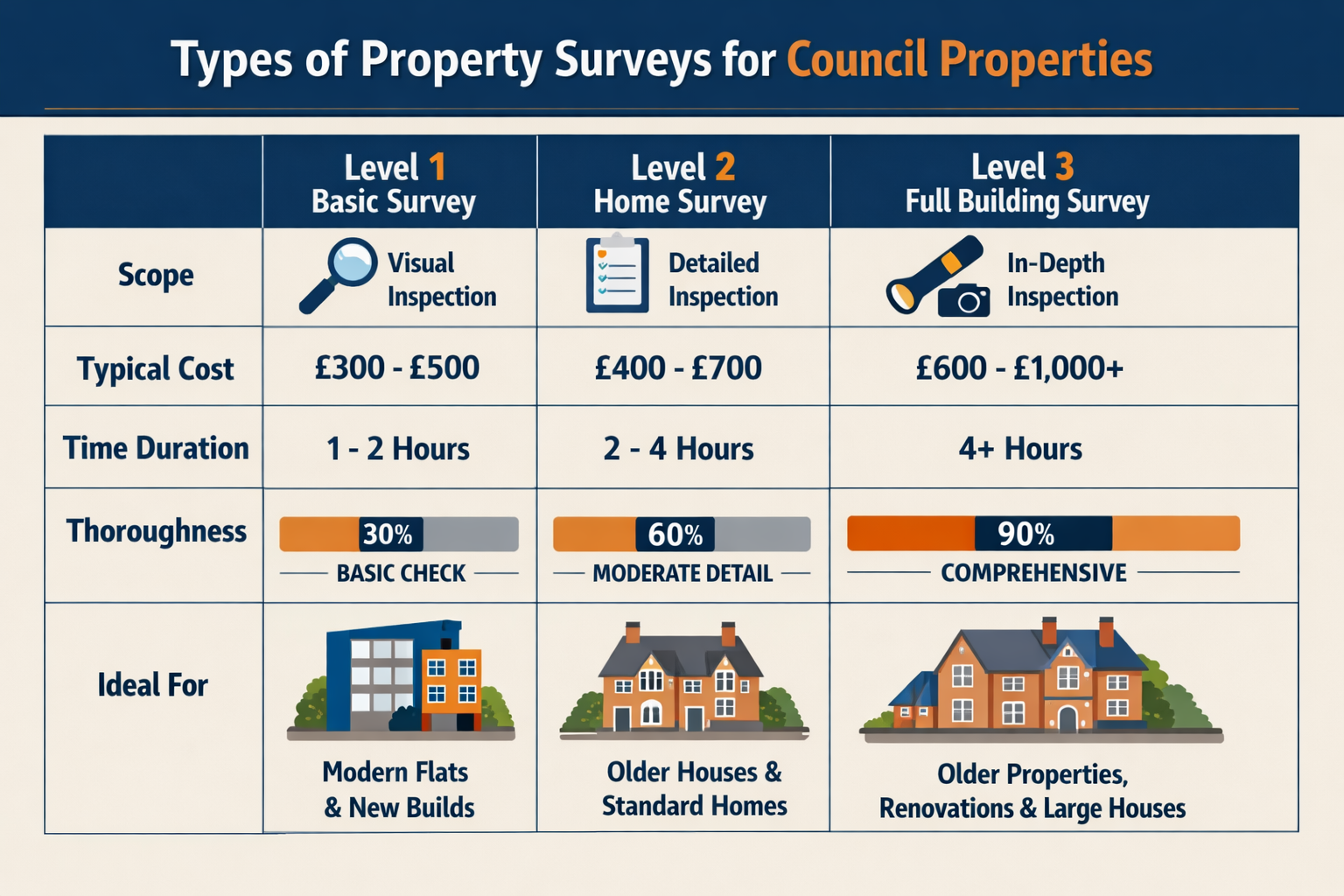
Understanding survey costs helps councils budget appropriately and commission services effectively. Fees vary based on several factors:
Factors Affecting Survey Costs
Property Characteristics 🏘️
- Size and complexity of the building
- Property type (flat, house, tower block)
- Age and construction methods
- Accessibility and location
Survey Scope 📊
- Level of detail required
- Number of properties in portfolio surveys
- Specialist investigations needed (damp, structural, etc.)
- Reporting format and deliverables
Surveyor Expertise 👨💼
- Qualifications and professional memberships
- Specialist knowledge in social housing
- Reputation and track record
- Geographic location
Typical Cost Ranges (2026)
While prices vary considerably, councils can expect approximate costs of:
| Survey Type | Typical Cost Range |
|---|---|
| Individual Property Condition Survey | £400 – £800 |
| Void Property Inspection | £200 – £400 |
| Stock Condition Survey (per property) | £150 – £300 |
| Pre-Acquisition Building Survey | £600 – £1,500+ |
| Specialist Investigation (damp, structural) | £500 – £2,000+ |
Volume discounts often apply when commissioning multiple surveys or ongoing contracts, making regular professional assessments more cost-effective.
Value for Money Considerations
While cost matters, councils should prioritize:
Quality and Accuracy ✅
- Comprehensive inspections that identify all significant issues
- Accurate cost estimates that enable proper budget planning
- Clear recommendations that facilitate decision-making
Risk Mitigation 🛡️
- Early identification of serious defects prevents expensive emergencies
- Compliance verification avoids regulatory penalties
- Proper documentation protects against liability claims
Long-Term Savings 💰
- Proactive maintenance costs less than reactive repairs
- Informed acquisition decisions prevent costly mistakes
- Strategic planning optimizes limited resources
Investing in quality survey work typically saves councils significantly more than the survey fees through better-informed decisions and preventative maintenance.
Finding and Appointing the Right Council Property Surveyor
Selecting appropriate surveyors ensures councils receive reliable advice and value for money. Consider these factors when appointing professionals:
Essential Selection Criteria
Professional Qualifications 🎓
- RICS membership (MRICS or FRICS)
- Relevant insurance coverage (professional indemnancy)
- Specialist accreditations in social housing or building pathology
- Clean disciplinary record with professional bodies
Relevant Experience 📚
- Proven track record with local authority clients
- Understanding of social housing regulations
- Experience with similar property types
- Knowledge of local construction methods and issues
Technical Capabilities 🔧
- Modern survey equipment and technology
- Comprehensive reporting systems
- Specialist testing capabilities where needed
- Quality assurance processes
Practical Considerations ⚙️
- Geographic coverage and response times
- Capacity to handle required workload
- Competitive and transparent pricing
- Strong communication skills
Procurement Approaches
Councils typically engage surveyors through:
Framework Agreements
- Pre-qualified panel of approved surveyors
- Streamlined procurement for individual instructions
- Negotiated rates and service levels
- Regular performance monitoring
Individual Commissions
- Competitive tendering for specific projects
- Detailed specifications and evaluation criteria
- Best value assessments considering quality and price
- Formal contract documentation
In-House Teams
- Direct employment of qualified surveyors
- Deep knowledge of local housing stock
- Immediate availability and control
- Supplemented by external specialists when needed
Many councils combine approaches, maintaining in-house expertise while accessing specialist external support when needed. Professional surveying firms can provide flexible support tailored to council requirements.
The Future of Council Property Surveying
The role of council property surveyors continues to evolve in response to technological advances, regulatory changes, and societal expectations:
Emerging Technologies 🚀
Digital Inspection Tools
- Tablet-based survey software with real-time data capture
- Cloud-based reporting systems for instant access
- Photographic and video documentation
- GPS location tagging and mapping integration
Advanced Diagnostics
- Thermal imaging for insulation and damp detection
- Drone surveys for roof and high-level inspections
- 3D scanning and building information modeling (BIM)
- Non-invasive testing technologies
Data Analytics
- Predictive maintenance using AI and machine learning
- Portfolio-wide trend analysis
- Risk modeling and scenario planning
- Performance benchmarking against sector standards
Regulatory Developments 📜
Council property surveyors must adapt to:
Building Safety Act 2022
- Enhanced responsibilities for higher-risk buildings
- Mandatory occurrence reporting systems
- Resident engagement requirements
- Competence frameworks for professionals
Energy Efficiency Standards
- EPC minimum ratings for social housing
- Net-zero carbon targets by 2050
- Retrofit assessment and planning
- Renewable energy integration
Social Housing Regulation
- Strengthened consumer standards
- Proactive inspection regimes
- Transparency and reporting requirements
- Tenant satisfaction measures
Sustainability Focus 🌱
Modern council property surveyors increasingly address:
- Climate adaptation – assessing properties for flood risk, overheating, and extreme weather resilience
- Circular economy principles – promoting repair, reuse, and recycling in maintenance programs
- Biodiversity enhancement – incorporating green infrastructure and habitat creation
- Whole-life carbon – evaluating embodied and operational carbon in decision-making
These evolving responsibilities require continuous professional development and adaptation to new methodologies.
Common Challenges Facing Council Property Surveyors
Understanding the difficulties council property surveyors encounter helps set realistic expectations and appreciate the complexity of their work:
Budget Constraints 💷
Local authorities face perpetual tension between:
- Identified maintenance needs
- Available capital and revenue funding
- Competing council priorities
- Political pressures and public expectations
Surveyors must prioritize work effectively, balancing immediate safety concerns with long-term asset preservation while working within financial realities.
Aging Housing Stock 🏚️
Much council housing was built in the 1950s-1970s using construction methods that now present challenges:
- System-built properties requiring specialist knowledge
- Concrete degradation in aging structures
- Obsolete building services needing complete replacement
- Poor thermal performance requiring expensive retrofitting
Surveyors need deep understanding of historical construction techniques and common failure modes.
Access and Tenant Cooperation 🚪
Inspecting occupied properties requires:
- Coordinating access with working families
- Respecting tenant privacy and dignity
- Managing vulnerable residents sensitively
- Dealing with hoarding or property neglect
- Addressing tenant anxiety about survey findings
Strong interpersonal skills are as important as technical knowledge for effective council property surveying.
Conflicting Demands ⚖️
Council property surveyors balance multiple stakeholders:
- Tenants wanting immediate repairs and improvements
- Council officers seeking to maximize value and minimize costs
- Elected members responding to political pressures
- Regulators enforcing compliance standards
- Contractors proposing various technical solutions
Navigating these competing interests while maintaining professional integrity requires diplomacy and clear communication.
Benefits of Professional Council Property Surveying
Investing in quality surveying services delivers substantial benefits for local authorities:
Risk Management and Compliance ✅
Professional surveys:
- Identify health and safety hazards before they cause harm
- Verify compliance with regulatory requirements
- Document property conditions for liability protection
- Provide evidence for insurance and legal purposes
Proactive risk management protects both residents and councils from preventable incidents.
Financial Planning and Optimization 💰
Accurate survey data enables:
- Realistic long-term budget forecasting
- Informed prioritization of limited resources
- Evidence-based business cases for funding
- Prevention of costly emergency repairs
Councils can demonstrate value for money and responsible stewardship of public assets.
Improved Housing Quality 🏠
Regular professional assessment supports:
- Systematic property improvements
- Consistent standards across the housing portfolio
- Tenant satisfaction and wellbeing
- Decent Homes compliance
Better housing conditions contribute to community health, educational attainment, and economic participation.
Strategic Asset Management 📈
Survey intelligence informs:
- Stock rationalization and disposal decisions
- Acquisition and development strategies
- Estate regeneration planning
- Service delivery models and investment priorities
Councils can make strategic decisions based on comprehensive understanding of their housing assets rather than incomplete or outdated information.
Conclusion: The Essential Role of Council Property Surveyors
The council property surveyor serves as a critical guardian of social housing quality, safety, and value. These professionals combine technical expertise with understanding of the unique challenges facing local authority housing management. From routine condition assessments to complex regeneration projects, their work underpins effective asset management and protects the wellbeing of thousands of residents.
As regulatory requirements intensify and housing stock ages, the importance of professional surveying will only increase. Councils that invest in quality survey work—whether through in-house teams or experienced external consultants—position themselves to meet challenges proactively rather than reactively.
Next Steps for Local Authorities
If your council needs professional property surveying services:
- Assess your current surveying arrangements – Are you receiving comprehensive, timely, and actionable advice?
- Review your housing stock condition data – Is your information current enough to support effective decision-making?
- Identify priority areas – Which properties or issues require immediate professional assessment?
- Explore professional partnerships – Consider how qualified surveyors can supplement or enhance your existing capabilities
- Invest in preventative assessment – Regular professional surveys cost far less than emergency repairs and regulatory failures
For Tenants and Residents
If you have concerns about your council property’s condition:
- Report issues promptly through your council’s repair service
- Request formal inspections for persistent problems
- Understand your rights under the Decent Homes Standard
- Engage constructively when surveyors need access
- Participate in tenant satisfaction surveys that inform improvement programs
Quality council property surveying ultimately benefits everyone—protecting public investment while ensuring safe, comfortable homes for communities across the UK.