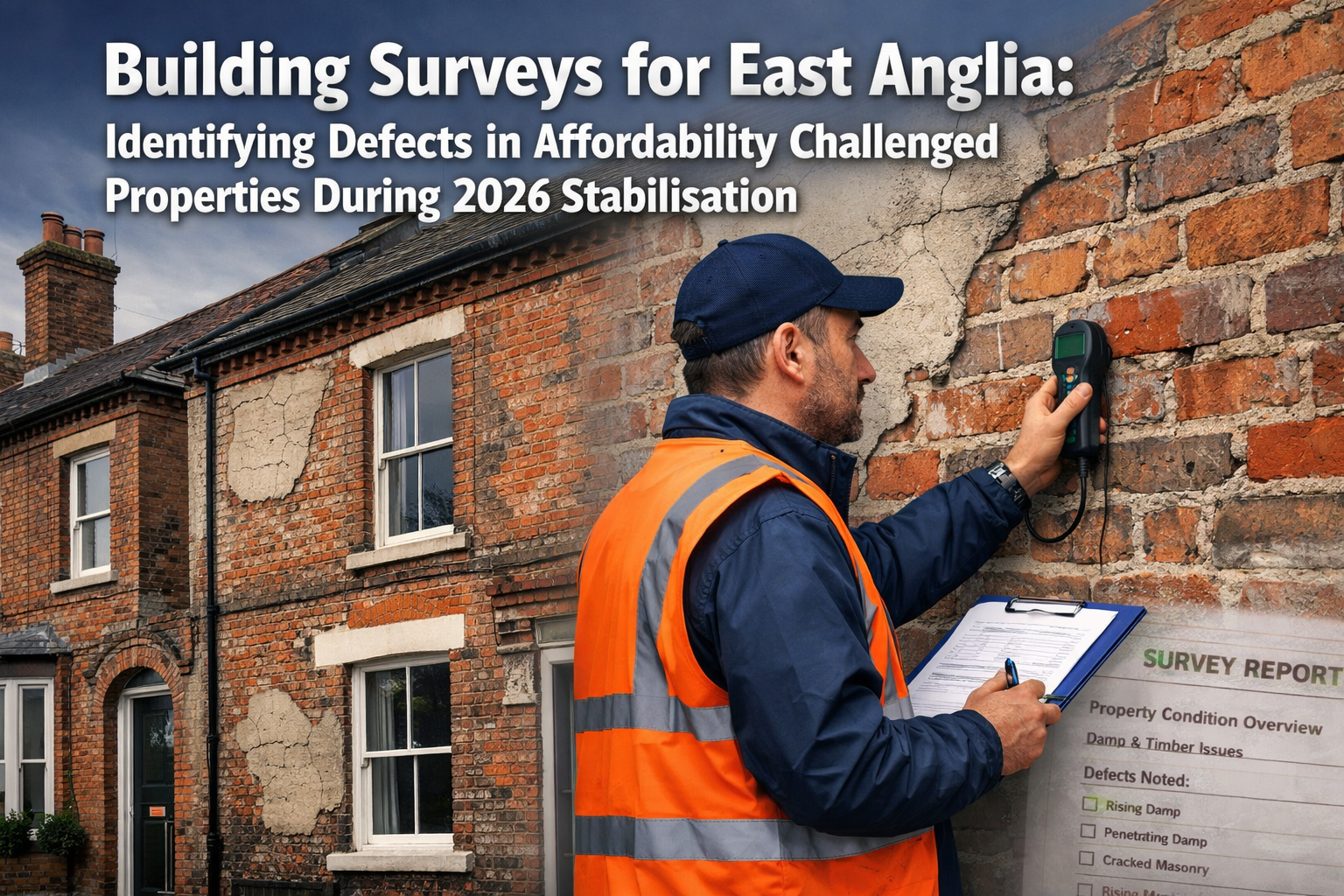

The UK property market in 2026 presents a unique challenge for new build buyers: modest price growth forecasts of 2-5% combined with alarmingly high defect rates. With 93.7% of new build buyers reporting defects after moving in[2], the need for comprehensive building survey protocols has never been more critical. As the market recovers cautiously, buyers cannot afford to rely solely on developer warranties—they need professional RICS-accredited snagging surveys that go beyond surface-level inspections to protect their investments in this evolving landscape.

Key Takeaways
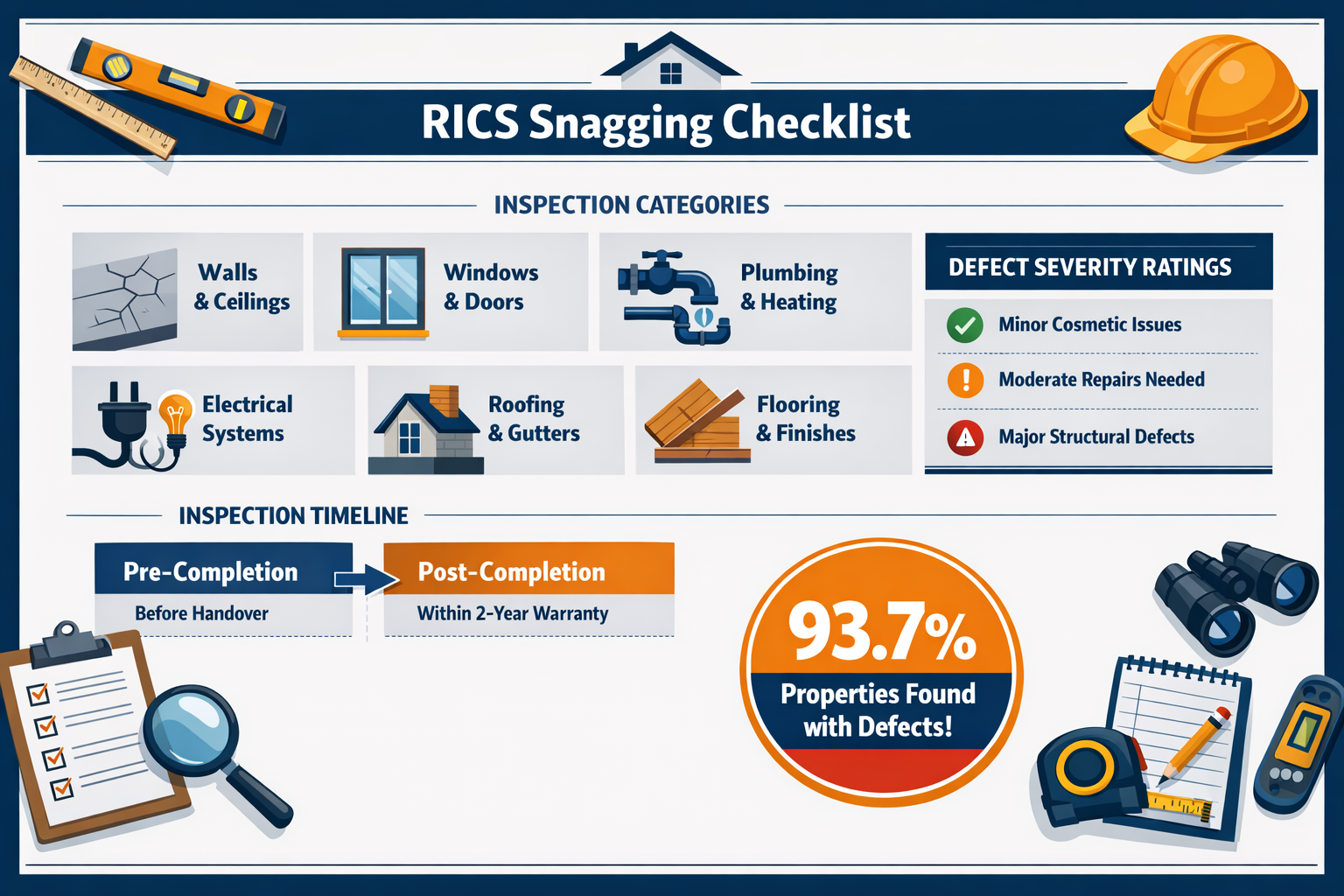
- 93.7% of new build purchasers discover defects post-completion, with over 25% reporting more than 15 snags, making professional snagging surveys essential protection[2]
- RICS is updating home survey standards in 2026 with clearer requirements following extensive industry consultation, strengthening quality protocols for surveyors[4]
- Two-year warranty windows require strategic inspection timing—pre-completion surveys and follow-up assessments maximize buyer protection beyond standard warranties[1]
- Level 3 building surveys identify latent defects that cosmetic snagging lists miss, crucial for protecting investments in a modest growth market
- Professional RICS surveyors provide negotiating leverage with developers and comprehensive documentation that self-inspection cannot match[1][2]
Understanding Building Survey Protocols for New Build Snagging in Modest 2026 Price Growth
The 2026 property landscape demands a sophisticated approach to new build inspections. Unlike the boom years where buyers rushed to secure properties with minimal scrutiny, the current modest growth environment—characterized by 2-5% annual price increases—creates both opportunity and risk. Buyers have more negotiating power, but they must exercise it wisely through comprehensive survey protocols.
The New Build Defect Crisis
The statistics paint a sobering picture. According to the Home Builders Federation National New Homes Customer Satisfaction Survey published in March 2025, an overwhelming 93.7% of new build buyers reported defects after moving in, with more than 25% experiencing over 15 separate snags[2]. These aren't merely cosmetic issues—they represent potential structural concerns, safety hazards, and significant financial liabilities.
Common new build defects include:
- 🏠 Structural issues: Cracked brickwork, settling foundations, roof defects
- 💧 Water ingress: Poor sealing, inadequate drainage, penetrating damp
- ⚡ Electrical problems: Incomplete installations, non-compliant wiring
- 🚿 Plumbing defects: Leaking pipes, poor pressure, incomplete connections
- 🪟 Window and door issues: Poor fitting, damaged seals, security concerns
- 🎨 Cosmetic problems: Paint splatters, scratched surfaces, carpet damage
While many snags appear cosmetic, they can indicate serious underlying problems requiring professional assessment[2]. This is where RICS building surveys become invaluable.
Why Standard Warranties Aren't Enough
Developer warranties typically provide coverage for structural defects over 10 years, but they come with significant limitations:
- Coverage gaps: Many defects fall outside warranty definitions
- Burden of proof: Buyers must demonstrate defects resulted from poor workmanship
- Time constraints: Two-year window for reporting non-structural issues[1][2]
- Developer disputes: Companies may challenge warranty claims aggressively
- Latent defects: Hidden problems may not manifest until after warranty periods
In a modest growth market, these limitations become particularly problematic. With property values rising slowly, buyers cannot rely on rapid appreciation to offset repair costs. Every defect directly impacts investment value and future resale potential.
RICS Checklists and Comprehensive Snagging Survey Protocols
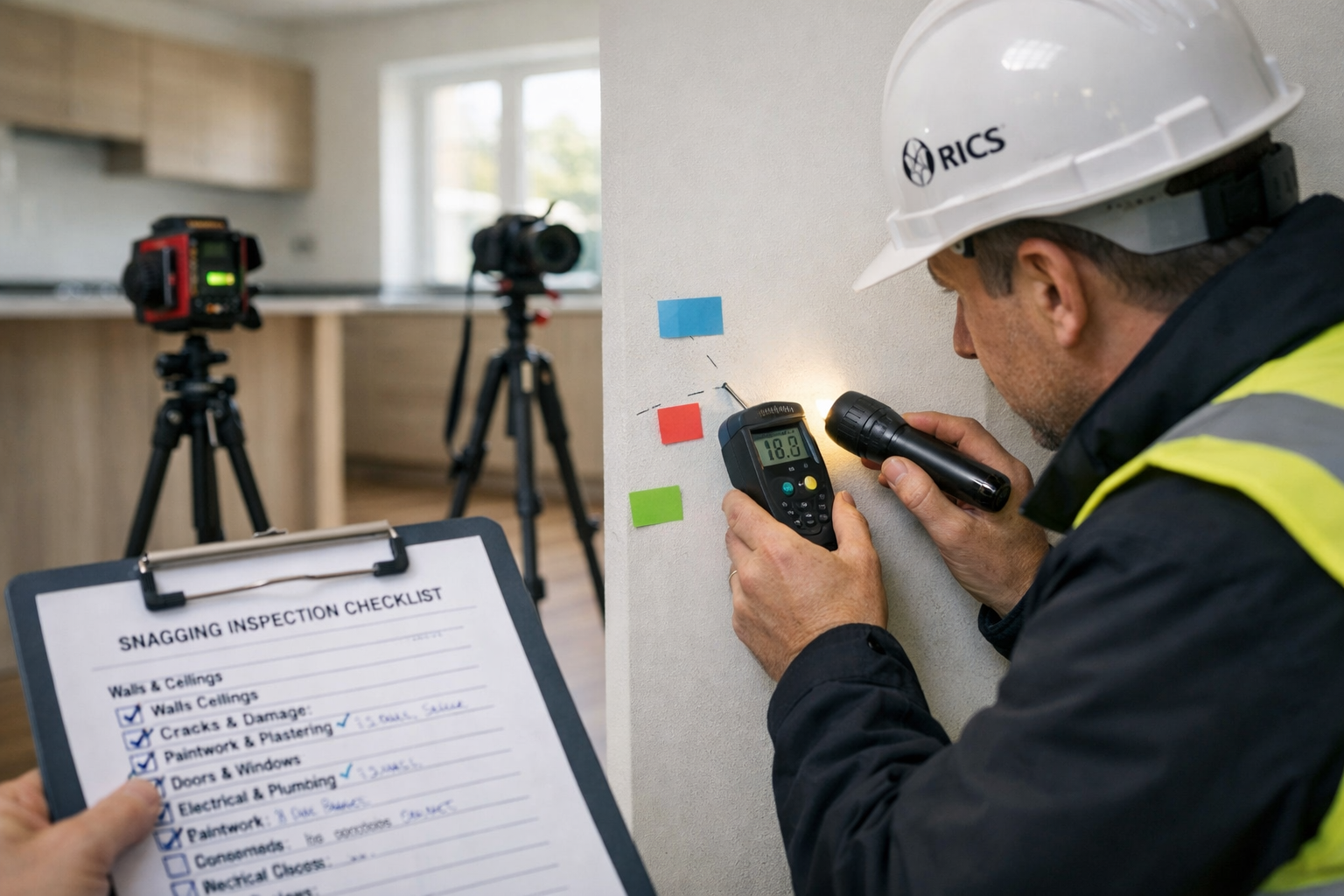
The Royal Institution of Chartered Surveyors (RICS) sets the gold standard for building survey protocols in the UK. In 2026, RICS is implementing significant updates to home survey standards, with a second edition emphasizing clearer, more concise requirements following over 1,000 consultation comments from industry professionals[4].
The RICS Level 3 Advantage for New Builds
While many buyers consider basic snagging lists sufficient, a comprehensive RICS Level 3 survey provides substantially greater protection. These surveys include:
Detailed interior inspections covering:
- Wall and ceiling plastering quality and alignment
- Skirting board installation and finishing
- Window and door operation, sealing, and security
- Plumbing fixtures, connections, and pressure testing
- Electrical installations and compliance verification
- Flooring installation, leveling, and finishing
- Kitchen and bathroom fitting quality
- Built-in storage and joinery work
Comprehensive exterior assessments including:
- Brickwork pointing, alignment, and weatherproofing
- Roof covering, flashing, and drainage systems
- External render or cladding installation
- Guttering and downpipe functionality
- Foundation settlement indicators
- Boundary walls and fencing
- Drainage and soakaway systems
- External electrical and gas meter installations
Strategic Inspection Timing
Building survey protocols for new build snagging in modest 2026 price growth require strategic timing to maximize protection:
Pre-completion inspection (contractual right under New Homes Quality Code):
- Conducted before legal completion
- Identifies defects before taking ownership
- Provides negotiating leverage for remediation or price reduction
- Report shared with conveyancing solicitors[2]
Post-completion follow-up (within first year):
- Identifies defects that emerge during settling period
- Documents issues for warranty claims
- Captures seasonal problems (heating, cooling, drainage)
Pre-warranty expiration survey (approaching two-year mark):
- Final comprehensive assessment before non-structural warranty expires
- Documents all outstanding and newly discovered defects
- Ensures maximum claim submission before deadline[1][2]
Understanding the difference between Level 2 and Level 3 surveys helps buyers choose appropriate inspection depth for their circumstances.
RICS Quality Strengthening Initiatives in 2026
RICS is actively strengthening surveyor practice standards throughout 2026. These initiatives impact how building surveys are conducted and reported, with particular emphasis on:
- Enhanced clarity: Simplified language and jargon-free reporting
- Standardized formats: Consistent presentation across all RICS surveys
- Digital integration: Modern reporting tools and photographic documentation
- Professional development: Updated training requirements for chartered surveyors
- Quality assurance: Strengthened oversight and compliance monitoring[3][4]
These improvements directly benefit new build buyers by ensuring consistently high-quality survey reports that clearly communicate defects and their implications.
Beyond Warranties: Advanced Inspection Techniques and Buyer Protections
Building survey protocols for new build snagging in modest 2026 price growth extend far beyond basic visual inspections. Professional RICS surveyors employ advanced techniques to identify latent defects that warranties may not cover.
Advanced Diagnostic Tools
Modern snagging surveys incorporate specialized equipment:
Moisture detection systems:
- Electronic moisture meters identify hidden water ingress
- Thermal imaging cameras reveal insulation gaps and cold spots
- Hygrometers measure humidity levels indicating ventilation problems
Structural assessment tools:
- Laser levels detect floor and wall alignment issues
- Crack monitoring gauges track settlement movement
- Drone surveys assess roof conditions safely
Building services testing:
- Electrical circuit testing ensures compliance and safety
- Plumbing pressure tests identify weak connections
- Heating system performance assessments
- Drainage surveys using CCTV inspection
These tools identify problems invisible to the naked eye, providing comprehensive protection that standard warranties cannot match.
Latent Defects: The Hidden Threats
Latent defects represent the greatest risk in new build properties. These problems aren't immediately apparent but emerge over time, potentially after warranty periods expire:
| Defect Type | Manifestation Timeline | Potential Consequences |
|---|---|---|
| Foundation settlement | 6-24 months | Structural cracking, door misalignment |
| Inadequate insulation | First winter/summer | High energy costs, condensation |
| Poor drainage | First heavy rainfall | Water ingress, subsidence risk |
| Defective damp-proofing | 12-36 months | Rising damp, timber decay |
| Inadequate ventilation | 6-18 months | Condensation, mould growth |
| Electrical faults | Variable | Fire risk, appliance damage |
Professional structural surveys identify indicators of these problems before they fully develop, allowing buyers to address them within warranty periods.
Negotiating Power in a Modest Growth Market
The 2-5% price growth forecast for 2026 creates unique negotiating opportunities. Unlike boom markets where sellers hold all leverage, modest growth empowers buyers to demand proper remediation:
Pre-completion negotiations:
- Comprehensive snagging reports justify price reductions
- Documented defects require developer remediation before completion
- Serious structural concerns may warrant contract withdrawal
- Professional survey reports carry weight with developers and solicitors
Post-completion warranty claims:
- Detailed photographic evidence supports claims
- Professional surveyor reports overcome developer disputes
- Timeline documentation proves defects existed within warranty periods
- Independent assessment validates claim severity
"Professional snagging inspectors are recommended over self-inspection unless the buyer has building trade expertise, as independent professional assessment provides better negotiating leverage with developers."[1][2]
The Cost-Benefit Analysis
Many buyers question whether professional snagging surveys justify their cost. In a modest growth market, the mathematics are compelling:
Average professional snagging survey cost: £400-£800
Average remediation value identified: £2,500-£15,000
Potential property value protection: 1-3% of purchase price
For a £350,000 new build property, a comprehensive survey costing £600 might identify £8,000 in defects. In a modest growth environment, protecting that value becomes crucial—2% annual growth means the property appreciates only £7,000 in the first year. Unaddressed defects could completely negate that growth.
Understanding surveyor pricing helps buyers budget appropriately for comprehensive protection.
Integration with Broader Property Strategies
Building survey protocols for new build snagging in modest 2026 price growth should integrate with comprehensive property acquisition strategies:
Legal protections:
- Ensure solicitors review survey reports before exchange
- Include specific remediation clauses in contracts
- Understand New Homes Quality Code protections
- Document all communications with developers
Insurance considerations:
- Verify structural warranty coverage details
- Consider defects insurance for additional protection
- Understand policy exclusions and limitations
- Document pre-existing conditions for future claims
Long-term maintenance planning:
- Use survey reports to create maintenance schedules
- Budget for repairs outside warranty coverage
- Plan for warranty expiration contingencies
- Maintain comprehensive property documentation
For buyers considering various property types, understanding how to choose the right property survey ensures appropriate protection levels.
Regional Considerations
Survey protocols may vary based on location and local building practices. Buyers should consider regional factors:
- Local building regulations: Standards vary across England, Wales, Scotland, and Northern Ireland
- Environmental risks: Flood zones, subsidence areas, contaminated land
- Developer reputation: Track records vary significantly by region and builder
- Local surveyor expertise: Choose professionals familiar with area-specific issues
Whether purchasing in Surrey, Hertfordshire, or Essex, selecting local chartered surveyors with regional knowledge provides significant advantages.
The 2026 Regulatory Landscape
New homebuying rules implemented in 2026 emphasize earlier inspections and enhanced risk mitigation, reshaping buyer and surveyor responsibilities[5]. These changes include:
Enhanced disclosure requirements:
- Developers must provide more comprehensive pre-sale information
- Material defect disclosure obligations strengthened
- Warranty terms must be clearly explained before exchange
Improved buyer protections:
- Extended cooling-off periods for new build purchases
- Mandatory independent inspection opportunities
- Strengthened redress mechanisms through ombudsman services
Surveyor professional standards:
- Updated RICS practice statements for new build inspections
- Enhanced continuing professional development requirements
- Stricter quality assurance and complaint handling procedures[3][4]
These regulatory improvements complement comprehensive survey protocols, providing multiple layers of buyer protection in the modest growth environment.
Conclusion
Building survey protocols for new build snagging in modest 2026 price growth represent essential protection for property buyers navigating a cautious market. With 93.7% of new build purchasers discovering defects after completion[2] and price growth forecasts of just 2-5%, buyers cannot afford to rely solely on developer warranties. Comprehensive RICS home surveys provide the detailed inspection, professional documentation, and negotiating leverage necessary to protect investments.
The updated RICS standards being implemented throughout 2026[4] strengthen surveyor practice and reporting quality, ensuring buyers receive clear, actionable information about property conditions. Strategic inspection timing—pre-completion, post-completion, and pre-warranty expiration—maximizes protection throughout the critical two-year window when most defects emerge.
Actionable Next Steps
For prospective new build buyers:
- Budget for professional surveys: Allocate £400-£800 for comprehensive RICS snagging inspection
- Schedule pre-completion inspection: Exercise contractual rights before taking ownership
- Choose qualified professionals: Select RICS-accredited surveyors with new build expertise
- Document everything: Maintain comprehensive records of all defects and communications
- Plan follow-up inspections: Schedule assessments at 12 months and before warranty expiration
- Review warranty terms carefully: Understand coverage, exclusions, and claim procedures
- Integrate survey findings: Share reports with solicitors, insurers, and financial advisors
For current new build owners:
- Conduct immediate assessment: If you haven't had professional snagging survey, arrange one now
- Document existing defects: Photograph and record all issues before warranty expires
- Submit warranty claims promptly: Don't delay reporting problems to developers
- Consider pre-expiration survey: Schedule comprehensive inspection before two-year mark
- Maintain property records: Keep all survey reports, correspondence, and remediation documentation
The modest growth environment of 2026 demands diligence, professional expertise, and comprehensive protection strategies. By implementing robust building survey protocols that extend beyond basic warranties, buyers can confidently navigate the new build market while protecting their investments in an era of cautious recovery.
References
[1] Snagging Survey – https://fourthwallbc.com/residential-services/snagging-survey/
[2] Need Snagging List New Build Home – https://hoa.org.uk/advice/guides-for-homeowners/i-am-buying/need-snagging-list-new-build-home/
[3] Building Survey Standards Evolution How Rics Quality Strengthening Initiatives Impact Surveyor Practice In 2026 – https://nottinghillsurveyors.com/blog/building-survey-standards-evolution-how-rics-quality-strengthening-initiatives-impact-surveyor-practice-in-2026
[4] Home Survey Standard 2nd Edition A Progress Update – https://www.rics.org/news-insights/home-survey-standard-2nd-edition-a-progress-update
[5] Building Surveys Under New Homebuying Rules Earlier Inspections And Risk Mitigation In 2026 – https://nottinghillsurveyors.com/blog/building-surveys-under-new-homebuying-rules-earlier-inspections-and-risk-mitigation-in-2026