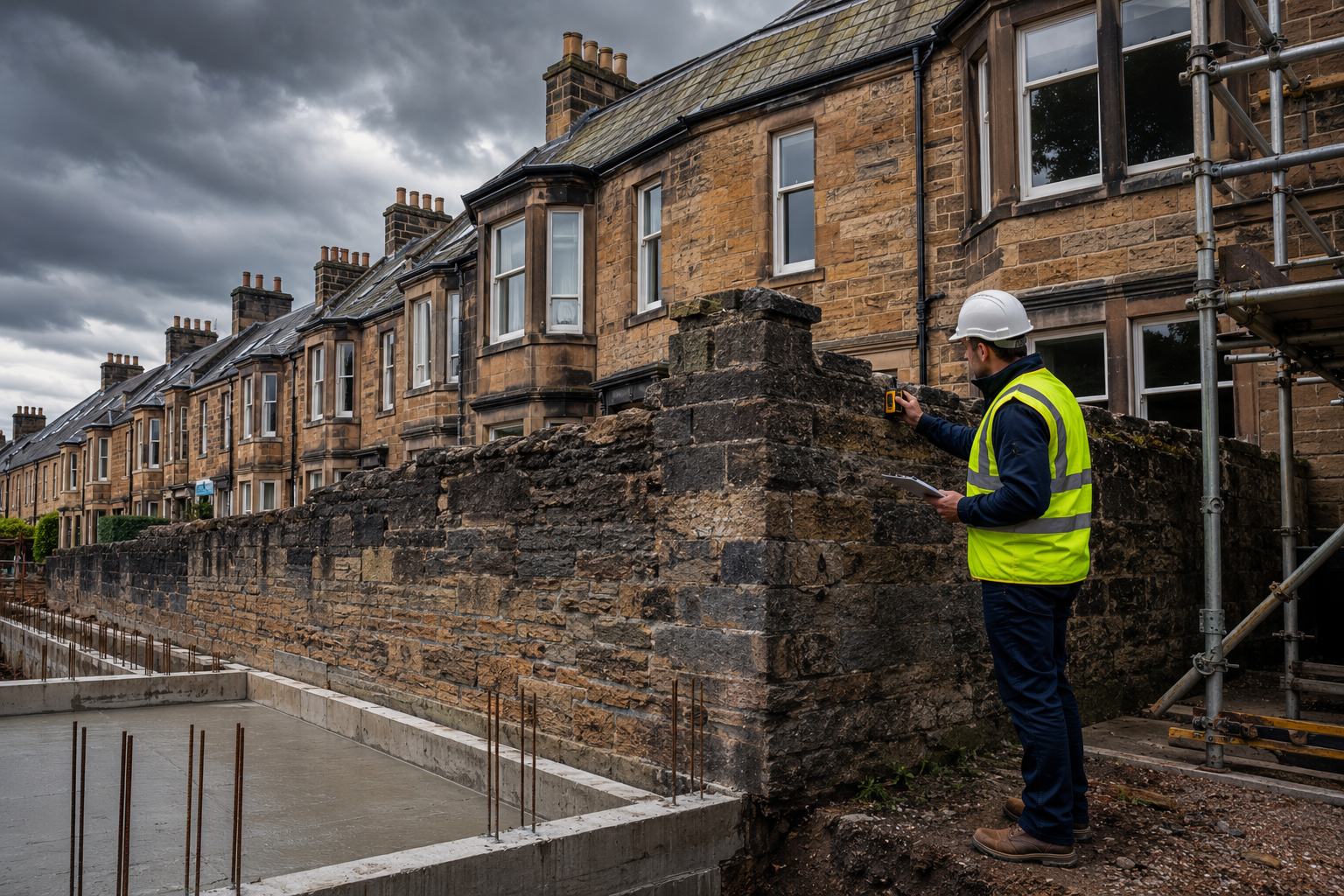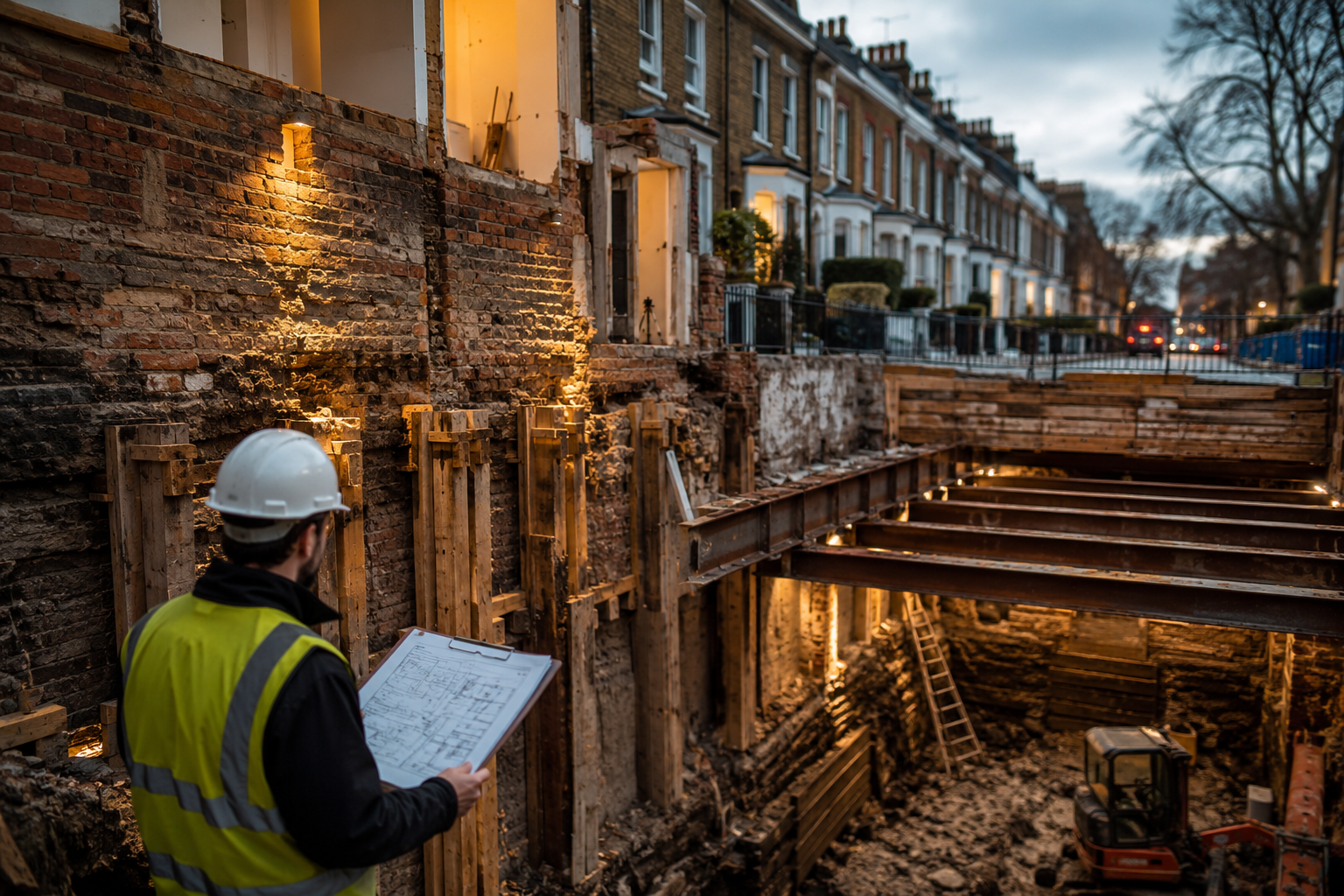

As the property market rebounds in 2026, a unique category of real estate is emerging that demands particular attention from building surveyors. Properties that remained unsold during 2025's weaker market conditions are now attracting renewed interest at adjusted prices, creating what industry professionals call "recovery stock." These properties present distinct challenges and defect patterns that surveyors must understand to provide accurate assessments and protect their clients' interests.
The acceleration of market activity in 2026 has brought these previously stagnant properties back into circulation. However, the extended marketing periods and deferred maintenance during the slower market have created specific conditions that experienced surveyors are beginning to recognize. Understanding Building Survey Defect Patterns in 2026 Recovery Properties: What Surveyors Should Expect as Market Activity Accelerates has become essential for professionals conducting thorough property assessments.
Commercial real estate investment volume has increased year-over-year, with continued growth expected throughout 2026, particularly in the office sector where owner and investor interest is rebounding.[2] This renewed activity means surveyors will encounter more recovery properties requiring comprehensive evaluation.
Key Takeaways
- 🏚️ Recovery properties often exhibit deferred maintenance issues accumulated during extended marketing periods in the slower 2025 market
- 📊 Market acceleration in 2026 is driving increased survey demand for previously stagnant properties now priced more competitively
- 🔍 Enhanced inspection protocols incorporating computer vision and predictive analytics are becoming standard practice for identifying hidden defects[1]
- ⚠️ Common defect patterns include moisture penetration, delayed repairs, and deteriorating building systems that worsened during vacancy periods
- 💡 RICS compliance updates in 2026 require more rigorous documentation and reporting standards for building surveys[3]
Understanding Recovery Properties and Their Unique Characteristics
What Defines a Recovery Property?
Recovery properties are residential and commercial buildings that failed to sell during the 2025 market downturn and are now re-entering the market at adjusted valuations. These properties typically share several characteristics:
- Extended marketing periods exceeding 12-18 months
- Price reductions of 10-25% from original asking prices
- Deferred maintenance due to owner financial constraints
- Vacancy periods creating accelerated deterioration
- Motivated sellers seeking to capitalize on market recovery
The significance of these properties lies not just in their pricing adjustments but in the physical conditions that developed during their extended market presence. When conducting a RICS Level 3 survey on recovery stock, surveyors must account for these unique circumstances.
The 2026 Market Context
The property market's recovery in 2026 has created renewed optimism among buyers and investors. However, this acceleration means that properties with underlying issues may move through the sales process more quickly, potentially before comprehensive assessments reveal critical defects.
Enhanced surveying strategies for 2026 now incorporate computer vision technology for identifying structural defects and maintenance issues, alongside predictive analytics for forecasting building system failures.[1] These technological advances are particularly valuable when assessing recovery properties where visual inspection alone may miss deterioration hidden behind cosmetic improvements.
Common Building Survey Defect Patterns in 2026 Recovery Properties: What Surveyors Should Expect as Market Activity Accelerates
Moisture and Damp-Related Issues
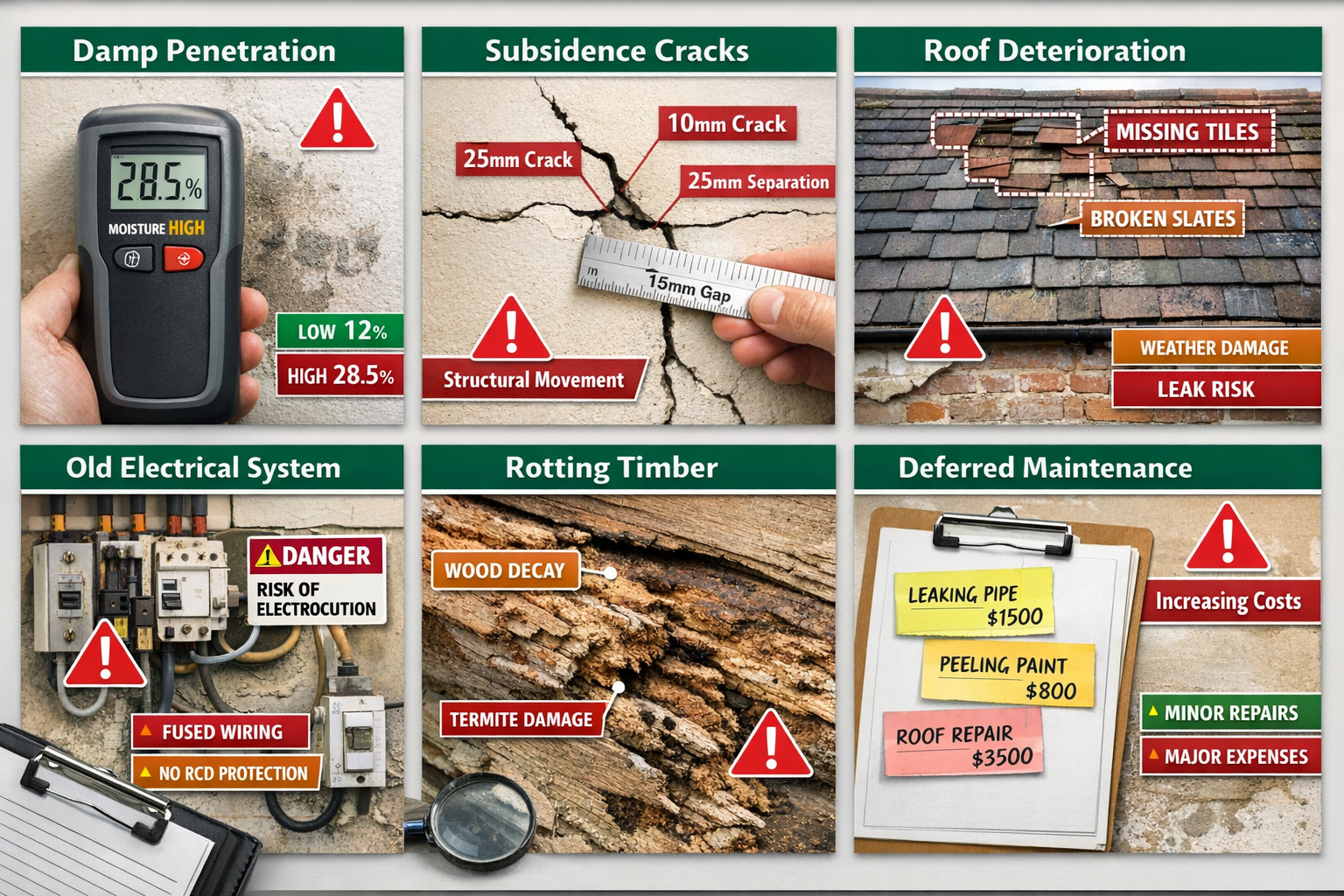
Penetrating damp represents one of the most prevalent defects in recovery properties. Extended vacancy periods often mean that minor leaks went unaddressed, allowing moisture penetration to worsen significantly. Surveyors should expect:
| Defect Type | Typical Locations | Detection Methods |
|---|---|---|
| Penetrating damp | External walls, around windows | Moisture meters, thermal imaging |
| Rising damp | Ground floor walls, below DPC | Visual inspection, salt analysis |
| Condensation damage | Poorly ventilated rooms, corners | Humidity readings, mould presence |
| Roof leaks | Valleys, flashings, chimneys | Attic inspection, water staining |
Professional damp surveys have become increasingly important for recovery properties, as moisture issues compound over time when left untreated.
Structural Movement and Subsidence
Properties that sat unsold during 2025 may have experienced progressive structural movement that went unmonitored. Key indicators include:
- Progressive cracking patterns exceeding 5mm width
- Diagonal cracks extending from openings
- Stepped cracking in brickwork
- Door and window frame distortion
- Floor level variations
The 2026 market acceleration means buyers are more eager to proceed quickly, making thorough structural assessment critical. Surveyors must distinguish between historic, stabilized movement and active, ongoing issues requiring immediate intervention.
Deferred Maintenance Accumulation
Recovery properties frequently exhibit cascading maintenance failures where one neglected issue triggers multiple secondary problems:
Roof and Guttering Systems:
- Missing or slipped roof tiles
- Blocked or damaged guttering
- Deteriorated flashings and pointing
- Compromised roof membrane integrity
External Fabric:
- Failing render and external coatings
- Deteriorated window seals and frames
- Cracked or spalled brickwork
- Defective drainage systems
Comprehensive roof surveys are essential for identifying the full extent of deferred maintenance in these properties.
Building Services Deterioration
Mechanical and electrical systems in recovery properties often show accelerated deterioration due to:
- Lack of regular servicing during extended marketing periods
- Freeze damage in unheated vacant properties
- Corrosion in unused plumbing systems
- Electrical safety concerns from outdated or unmaintained installations
Surveyors should recommend specialist testing for boilers, electrical installations, and plumbing systems that may appear functional but harbor hidden defects.
Hidden Cosmetic Improvements
A concerning trend in recovery properties involves superficial renovations designed to mask underlying defects. Common examples include:
- Fresh paint covering damp staining or cracking
- New flooring concealing structural issues
- Cosmetic bathroom/kitchen updates hiding plumbing problems
- Landscaping obscuring drainage defects
The enhanced home inspection requirements introduced by RICS in 2026 specifically address the need for surveyors to look beyond surface presentations.[3]
Advanced Surveying Techniques for Building Survey Defect Patterns in 2026 Recovery Properties: What Surveyors Should Expect as Market Activity Accelerates
Technology-Enhanced Inspection Methods
Modern surveying practice in 2026 leverages several technological advances particularly suited to recovery property assessment:
Computer Vision Applications:
Computer vision systems can now identify structural defects and maintenance issues with increasing accuracy, providing surveyors with data-driven insights that complement traditional inspection methods.[1] These systems excel at:
- Detecting subtle crack patterns invisible to the naked eye
- Measuring crack progression through comparative analysis
- Identifying moisture patterns through thermal variation
- Documenting defect locations with precision mapping
Predictive Analytics:
Building system failure forecasting helps surveyors anticipate when components in recovery properties may fail, allowing for more accurate maintenance cost projections.[1] This capability proves invaluable when assessing properties where service history is incomplete or unavailable.
Thermal Imaging:
Advanced thermal cameras reveal:
- Hidden moisture penetration
- Insulation deficiencies
- Air leakage pathways
- Heating system inefficiencies
Comprehensive Documentation Standards
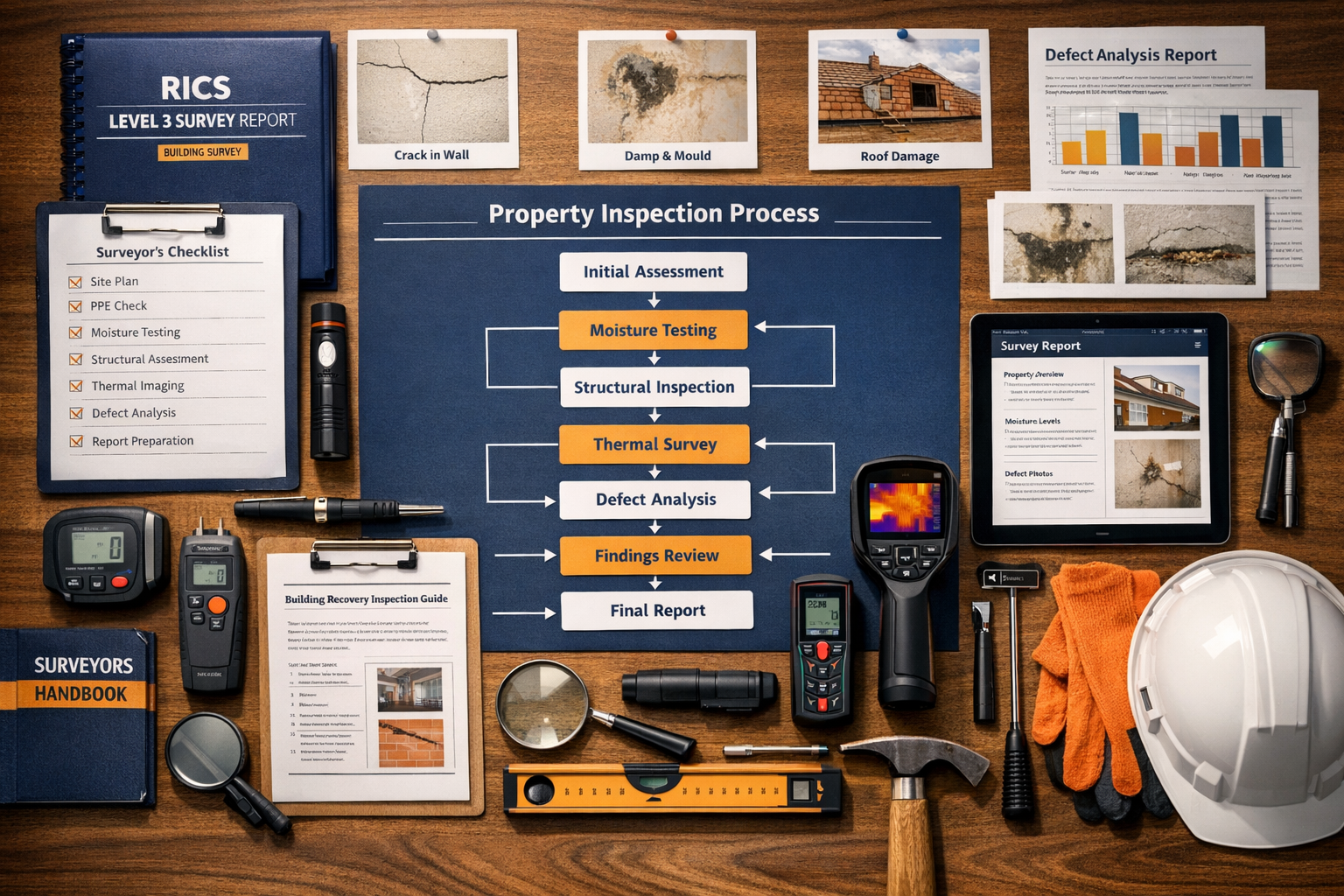
The 2026 RICS updates mandate enhanced documentation practices for building surveys, particularly important for recovery properties where defect patterns may be complex.[3] Best practices include:
✅ Photographic evidence of all significant defects with measurement scales
✅ Detailed location plans showing defect positions
✅ Moisture readings recorded with calibrated equipment
✅ Comparative analysis of similar defect patterns
✅ Risk categorization using standardized severity ratings
When conducting structural surveys on recovery properties, this comprehensive approach protects both the surveyor and the client.
Specialist Investigations
Recovery properties frequently require specialist investigations beyond standard survey scope:
Drainage Surveys:
Extended vacancy periods can lead to drainage system failures from lack of use, tree root intrusion, or ground movement. Professional drainage surveys using CCTV inspection reveal hidden defects.
Asbestos Assessment:
Older recovery properties may contain asbestos materials that require professional surveys for asbestos before renovation work proceeds.
Timber and Damp Specialists:
When moisture issues are identified, specialist reports provide detailed analysis of treatment requirements and associated costs.
Regional Variations in Building Survey Defect Patterns

Geographic Considerations
Recovery property defect patterns vary significantly by region, influenced by local building traditions, climate conditions, and market dynamics. Surveyors operating across different areas must adapt their inspection priorities accordingly.
London and Southeast England:
Properties in areas like North London, Fulham, and Islington often feature Victorian and Edwardian construction with characteristic issues:
- Solid wall construction prone to penetrating damp
- Original sash windows requiring extensive maintenance
- Aging drainage systems with clay pipe deterioration
- Subsidence risks in areas with clay subsoils
Home Counties:
Recovery properties in Surrey, Hertfordshire, and Essex present different challenges:
- 1930s-1980s construction with cavity wall tie corrosion
- Concrete tile roof deterioration
- Extension work of varying quality
- Garden boundary disputes affecting value
Understanding these regional patterns enhances survey accuracy and client service delivery.
Valuation Implications and Buyer Guidance
Cost Impact Assessment
When identifying defects in recovery properties, surveyors must provide clear guidance on financial implications. A systematic approach includes:
Immediate Repair Costs:
- Essential safety-related repairs
- Weather-tightness restoration
- Structural stabilization work
Medium-Term Maintenance:
- Building system replacements
- Decorative renewal
- Energy efficiency improvements
Long-Term Capital Expenditure:
- Major component renewals (roof, windows, etc.)
- Compliance upgrades
- Enhancement projects
This tiered approach helps buyers understand both immediate obligations and future financial commitments.
Negotiation Leverage
Comprehensive survey findings on recovery properties provide buyers with substantial negotiation leverage. Surveyors should present defect information in formats that support price renegotiation:
- Itemized repair schedules with cost estimates
- Priority rankings distinguishing urgent from routine work
- Comparative market analysis showing impact on property value
- Risk assessments highlighting potential future issues
"The most valuable survey is one that empowers the client to make informed decisions, whether that means proceeding with adjusted expectations, renegotiating terms, or walking away from a problematic property."
Preparing for Building Survey Defect Patterns in 2026 Recovery Properties: What Surveyors Should Expect as Market Activity Accelerates
Professional Development Requirements
Surveyors must continuously update their knowledge and skills to address the evolving challenges of recovery property assessment. Key development areas include:
Technical Competencies:
- 🔧 Advanced moisture detection techniques
- 🔧 Structural analysis of progressive defects
- 🔧 Building pathology understanding
- 🔧 Technology-assisted inspection methods
Regulatory Knowledge:
- 📋 RICS 2026 compliance standards[3]
- 📋 Building regulation updates
- 📋 Energy performance requirements
- 📋 Health and safety protocols
Commercial Awareness:
- 💼 Market recovery dynamics
- 💼 Valuation impact assessment
- 💼 Client communication strategies
- 💼 Professional indemnity considerations
Equipment and Resource Investment
Effective assessment of recovery properties requires appropriate tools and resources:
Essential Equipment:
- Calibrated moisture meters (both pin and radio frequency types)
- Thermal imaging cameras
- Laser distance measurers
- Structural crack monitoring gauges
- Digital documentation systems
Reference Materials:
- Building defect identification guides
- Regional construction practice references
- Repair cost databases
- Specialist contractor networks
Client Communication Strategies
Clear communication distinguishes exceptional surveyors from adequate ones. When reporting on recovery properties:
Use Plain Language:
Avoid excessive technical jargon while maintaining professional credibility. Explain defects in terms clients understand, relating issues to practical implications.
Provide Visual Context:
Photographs, diagrams, and annotated plans help clients grasp defect significance more effectively than text alone.
Prioritize Findings:
Categorize defects by urgency and cost impact, helping clients focus on critical issues first.
Offer Actionable Recommendations:
Move beyond defect identification to suggest practical next steps, whether specialist investigations, repair contractors, or negotiation strategies.
Risk Management and Professional Standards
Liability Considerations
Recovery properties present heightened professional liability risks due to their complex defect patterns and potential for hidden issues. Surveyors should:
- Document limitations of inspection scope clearly
- Recommend specialist investigations when appropriate
- Maintain detailed records of inspection methodology
- Ensure adequate professional indemnity insurance
- Follow RICS guidance rigorously throughout the process
The enhanced compliance standards introduced in 2026 provide clearer frameworks for professional practice but also establish higher expectations for thoroughness.[3]
Quality Assurance Protocols
Implementing robust quality assurance processes protects both surveyor and client:
Pre-Inspection Planning:
- Review property history and previous marketing materials
- Identify known issues from estate agent particulars
- Plan inspection route and time allocation
- Prepare appropriate equipment and documentation
During Inspection:
- Follow systematic room-by-room methodology
- Take comprehensive photographic records
- Record all measurements and readings
- Note areas requiring specialist investigation
Post-Inspection Review:
- Cross-reference findings against typical defect patterns
- Verify all measurements and calculations
- Ensure report completeness and clarity
- Conduct peer review for complex cases
Future Outlook: Surveying in an Accelerating Market
Emerging Trends
As market activity continues accelerating through 2026 and beyond, several trends will shape surveying practice:
Increased Survey Demand:
The recovery of commercial real estate and residential markets will drive higher survey volumes, potentially creating capacity constraints among qualified professionals.[2][4]
Technology Integration:
Generative AI applications in property assessment will become more sophisticated, though human validation remains essential for unique or complex scenarios.[2] Surveyors who effectively combine technological tools with professional expertise will gain competitive advantages.
Regulatory Evolution:
RICS standards will likely continue evolving, with emphasis on consumer protection and professional accountability. Staying ahead of regulatory changes positions surveyors as trusted advisors.
Sustainability Focus:
Energy efficiency and environmental performance will increasingly influence property valuations, requiring surveyors to expand their assessment criteria beyond traditional structural and maintenance considerations.
Professional Opportunities
The convergence of market recovery and evolving surveying standards creates significant opportunities for forward-thinking professionals:
- Specialization in recovery property assessment
- Technology adoption for competitive differentiation
- Enhanced service offerings combining traditional surveys with specialist investigations
- Educational roles training the next generation of surveyors
Conclusion
Understanding Building Survey Defect Patterns in 2026 Recovery Properties: What Surveyors Should Expect as Market Activity Accelerates has become essential for professionals navigating today's rebounding property market. Recovery properties present unique challenges stemming from extended marketing periods, deferred maintenance, and the complex interplay of multiple defect patterns that developed during the 2025 market downturn.
Surveyors who combine traditional inspection expertise with emerging technologies like computer vision and predictive analytics will provide superior service to clients purchasing these properties.[1] The enhanced RICS compliance standards introduced in 2026 establish clear expectations for thoroughness and documentation, protecting both professionals and consumers.[3]
Actionable Next Steps
For Surveyors:
- ✅ Update knowledge of RICS 2026 compliance requirements
- ✅ Invest in technology-enhanced inspection equipment
- ✅ Develop specialist networks for complex investigations
- ✅ Implement robust quality assurance protocols
- ✅ Enhance client communication strategies for recovery property reports
For Property Buyers:
- ✅ Commission comprehensive RICS building surveys for recovery properties
- ✅ Budget for specialist investigations when recommended
- ✅ Use survey findings to negotiate fair purchase terms
- ✅ Plan for deferred maintenance costs in financial projections
- ✅ Engage qualified professionals throughout the purchase process
For Industry Stakeholders:
- ✅ Support ongoing professional development initiatives
- ✅ Embrace technological innovation in surveying practice
- ✅ Maintain rigorous quality standards
- ✅ Foster transparent communication across the property transaction chain
- ✅ Adapt to evolving market conditions with agility
The accelerating market activity of 2026 presents both challenges and opportunities. By understanding the specific defect patterns characteristic of recovery properties and applying enhanced inspection methodologies, surveyors can deliver exceptional value to clients while maintaining the highest professional standards. Success in this evolving landscape requires continuous learning, technological adaptation, and unwavering commitment to thorough, ethical practice.
References
[1] Surveying Strategies For 2026 Real Estate Hotspots Lessons From Pwcs Emerging Trends Report – https://nottinghillsurveyors.com/blog/surveying-strategies-for-2026-real-estate-hotspots-lessons-from-pwcs-emerging-trends-report
[2] Commercial Real Estate Outlook – https://www.deloitte.com/us/en/insights/industry/financial-services/commercial-real-estate-outlook.html
[3] Building Survey Quality Standards 2026 Navigating Rics Updates And Enhanced Home Inspection Requirements – https://nottinghillsurveyors.com/blog/building-survey-quality-standards-2026-navigating-rics-updates-and-enhanced-home-inspection-requirements
[4] Market Views Dealmaking Disruption And Real Estates Recovery – https://www.blackstone.com/insights/article/market-views-dealmaking-disruption-and-real-estates-recovery/