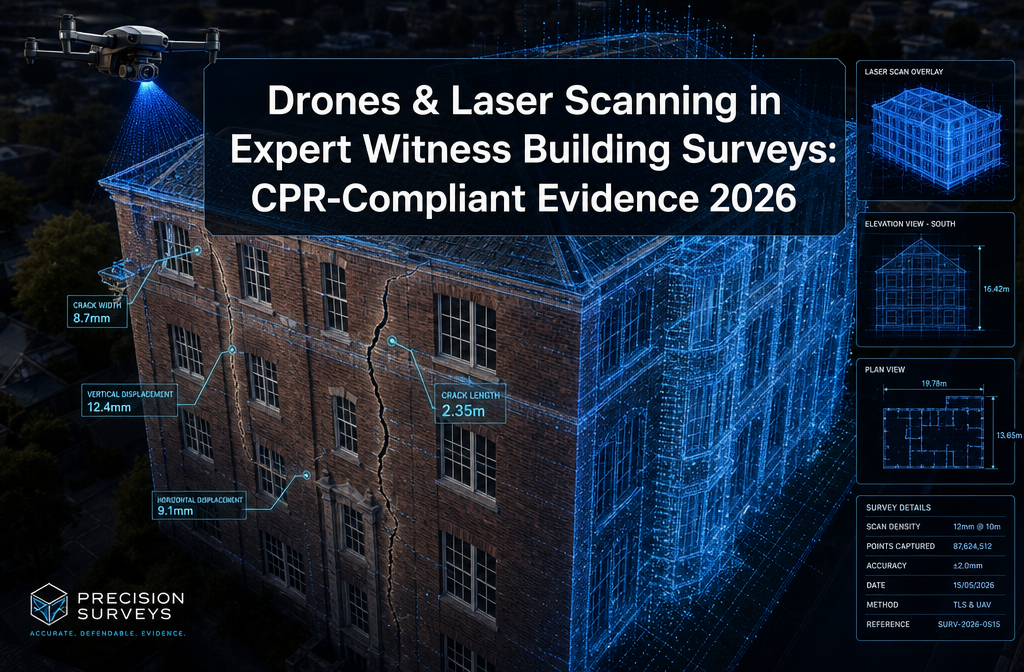

The surveying profession stands at a pivotal crossroads in 2026. Traditional methods of data collection, storage, and sharing—once the bedrock of the industry—are rapidly giving way to sophisticated cloud-based platforms that fundamentally transform how surveying teams collaborate, share insights, and deliver value to clients. As surveying firms face mounting pressure to deliver faster, more accurate results while navigating workforce shortages and evolving client expectations, Cloud-Based Platforms for Survey Data: Enabling Real-Time Collaboration in 2026 have emerged not merely as technological conveniences, but as competitive necessities that define industry leaders from laggards.
The digital transformation sweeping through the surveying sector represents more than incremental improvement—it signals a paradigm shift in how spatial data flows through project lifecycles. Modern clients no longer accept static PDF reports or isolated point cloud files. They demand rich, interactive digital deliverables accessible instantly across distributed teams, viewable in browsers without specialized software, and continuously updated as projects evolve. This article explores how cloud-based platforms are meeting these demands while addressing critical concerns around cybersecurity, data integrity, and seamless stakeholder collaboration.
Key Takeaways
- Instant accessibility: Cloud-based survey platforms enable stakeholders to view 3D models, point clouds, and survey data directly in web browsers without specialized software installations, dramatically reducing barriers to collaboration.
- Real-time synchronization: Multiple team members can simultaneously edit, annotate, and review survey data with automatic version control and conflict resolution, eliminating the delays inherent in traditional file-sharing workflows.
- Enhanced security protocols: Modern cloud platforms implement enterprise-grade cybersecurity measures including end-to-end encryption, multi-factor authentication, and granular permission controls to address rising data handling concerns.
- Competitive advantage: Surveying firms adopting cloud-based collaboration platforms gain significant competitive advantages through faster project delivery, reduced miscommunication, and the ability to meet client expectations for digital-first deliverables.
- Interoperability as foundation: The most effective cloud platforms prioritize seamless data exchange between different software ecosystems, ensuring spatial information flows without friction across project stakeholders.
The Evolution of Survey Data Management in 2026

From File Cabinets to Cloud Infrastructure
The journey from physical survey records to cloud-based collaboration represents one of the most profound transformations in the surveying profession's history. Traditional workflows required surveyors to physically transport data storage devices, manually distribute updated drawings, and coordinate review cycles through email chains that quickly became unwieldy. This fragmented approach created numerous opportunities for version conflicts, miscommunication, and project delays.
In 2026, the surveying industry has largely moved beyond these limitations. Cloud-based platforms now serve as centralized hubs where all project stakeholders—from field surveyors to architects, engineers, and clients—access the same authoritative data source simultaneously. When a surveyor uploads new drone survey data or updates a structural survey report, those changes propagate instantly to all authorized users, eliminating the confusion of outdated information.[1]
The Driving Forces Behind Cloud Adoption
Several converging trends have accelerated cloud platform adoption throughout the surveying sector:
Client Expectations: Modern clients, particularly those in construction and development, increasingly expect rich digital deliverables rather than traditional survey products alone. They want interactive 3D models they can explore, annotated point clouds highlighting specific conditions, and real-time progress tracking throughout project lifecycles.[2]
Workforce Distribution: The rise of remote and hybrid work arrangements has made cloud collaboration essential. Surveying teams no longer gather in single offices but work from distributed locations, requiring tools that support seamless coordination regardless of physical proximity.[3]
Technology Convergence: The integration of artificial intelligence, machine learning, and cloud infrastructure has created powerful new capabilities for processing and analyzing spatial data. These technologies work most effectively when deployed through cloud platforms that can scale computational resources dynamically.[2]
Competitive Pressure: As early adopters demonstrate the efficiency gains possible through cloud-based workflows, firms maintaining traditional approaches find themselves at increasing competitive disadvantages. The ability to deliver projects faster with higher quality collaboration has become a key differentiator.[6]
Core Benefits of Cloud-Based Platforms for Survey Data: Enabling Real-Time Collaboration in 2026
Instant Sharing and Universal Accessibility
One of the most transformative aspects of cloud-based survey platforms is their ability to make complex spatial data accessible to anyone with appropriate permissions and an internet connection. Unlike traditional workflows requiring specialized software installations, modern platforms enable stakeholders to view detailed survey information directly through web browsers.
Browser-Based 3D Visualization: Advanced cloud platforms now render complex 3D models, point clouds, and building information models directly in standard web browsers without requiring plugins or specialized viewers. A client reviewing a Level 2 Homebuyer Survey can explore the property's digital twin, zoom into specific areas of concern, and view annotated defects—all from their laptop or tablet without technical expertise.[6]
Mobile Accessibility: Field surveyors benefit from mobile applications that sync seamlessly with cloud platforms, allowing them to capture data on-site and immediately make it available to office-based colleagues. This real-time data flow eliminates the delays previously associated with returning to the office to upload and process field measurements.[3]
Stakeholder Engagement: Cloud platforms democratize access to survey data, enabling broader stakeholder participation in project discussions. Architects can reference the latest topographic survey while designing site layouts, engineers can verify existing conditions against structural engineering requirements, and clients can monitor progress without scheduling formal review meetings.[1]
Real-Time Revision Synchronization and Version Control
Traditional survey workflows often struggled with version control challenges. Multiple team members working on different aspects of a project would create divergent file versions, leading to confusion about which represented the authoritative source. Cloud-based platforms solve this fundamental problem through sophisticated synchronization and version management.
Automatic Synchronization: When any authorized user makes changes to survey data, drawings, or reports within a cloud platform, those modifications synchronize automatically across all connected devices. Team members always work with the most current information, eliminating the risk of decisions based on outdated data.[1]
Granular Version History: Advanced platforms maintain comprehensive version histories, tracking every modification made to survey files. Users can review who made specific changes, when those changes occurred, and what was modified. If errors are introduced, teams can easily roll back to previous versions without data loss.[1]
Conflict Prevention: When multiple users simultaneously access the same survey file, cloud platforms implement intelligent conflict resolution. User-specific color coding identifies who is editing which sections, while comment threads enable asynchronous communication about proposed changes. Some platforms temporarily lock sections being actively edited, preventing conflicting modifications.[3]
Audit Trails: For projects requiring regulatory compliance or legal documentation, cloud platforms provide detailed audit trails showing the complete evolution of survey deliverables. This transparency proves invaluable for specific defect reports or monitoring surveys where documenting condition changes over time is essential.
Integrated Communication and Project Management
The most effective cloud-based survey platforms go beyond simple file storage to integrate communication and project management tools directly into the collaboration environment. This integration eliminates the context-switching and information fragmentation that plague traditional workflows.
Contextual Communication: Rather than discussing survey findings through separate email threads or messaging apps, cloud platforms enable conversations to occur directly within the spatial data context. Team members can drop comment pins on specific locations within a 3D model, attach questions to particular survey measurements, or highlight areas requiring additional investigation—all visible to relevant stakeholders.[1]
Task Assignment and Tracking: Integrated project management features allow survey managers to assign specific tasks, set deadlines, and track completion status without leaving the platform. A damp survey might generate multiple follow-up tasks for different specialists, all tracked within the same system containing the survey data itself.[3]
Multiple Project Views: Cloud platforms typically offer various visualization modes for project tracking—list views for detailed task management, Kanban boards for workflow visualization, calendar views for scheduling coordination, and timeline formats for understanding project dependencies. This flexibility accommodates different working styles and project requirements.[1]
Unified Notifications: Instead of monitoring multiple communication channels, team members receive consolidated notifications about project updates, new comments, task assignments, and approaching deadlines through a single platform interface. This streamlined notification system reduces information overload while ensuring critical updates aren't missed.[3]
Addressing Cybersecurity Concerns in Cloud-Based Survey Platforms
The Rising Importance of Data Security
As surveying firms transition more operations to cloud platforms, cybersecurity has emerged as a paramount concern. Survey data often contains sensitive information about property conditions, client details, and strategic development plans. A security breach could expose confidential information, damage client relationships, and create legal liabilities.
The surveying industry has witnessed increasing sophistication in cyber threats, from ransomware attacks targeting construction sector firms to data breaches exposing proprietary project information. In this environment, robust cybersecurity measures have become non-negotiable requirements for cloud platform selection.[4]
Multi-Layered Security Architecture
Leading cloud-based survey platforms implement comprehensive security architectures with multiple defensive layers:
End-to-End Encryption: Data encryption protects information both in transit (as it moves between devices and cloud servers) and at rest (while stored on cloud infrastructure). Advanced platforms use industry-standard encryption protocols ensuring that even if data is intercepted, it remains unreadable without proper decryption keys.[4]
Multi-Factor Authentication (MFA): Beyond simple username and password combinations, robust platforms require additional authentication factors—such as temporary codes sent to mobile devices, biometric verification, or hardware security keys. This multi-factor approach dramatically reduces the risk of unauthorized access even if passwords are compromised.[4]
Role-Based Access Control (RBAC): Granular permission systems ensure users only access data relevant to their roles. A client might view final survey deliverables but not internal working files, while field surveyors access data capture tools but not financial information. This principle of least privilege minimizes potential damage from compromised accounts.[1]
Network Security: Cloud platforms employ sophisticated network security measures including firewalls, intrusion detection systems, and continuous monitoring for suspicious activity. These systems identify and respond to potential threats before they compromise data integrity.[4]
Compliance and Certification Standards
Reputable cloud platform providers maintain compliance with recognized security standards and undergo regular third-party audits:
- ISO 27001 Certification: This international standard for information security management demonstrates a platform's commitment to systematic security practices.
- SOC 2 Compliance: Service Organization Control 2 reports verify that cloud providers maintain appropriate controls around security, availability, processing integrity, confidentiality, and privacy.
- GDPR Compliance: For firms working with European clients or data subjects, General Data Protection Regulation compliance ensures appropriate data handling practices.
- Regular Penetration Testing: Leading platforms conduct periodic security assessments where ethical hackers attempt to identify vulnerabilities before malicious actors can exploit them.[4]
Data Backup and Disaster Recovery
Beyond preventing unauthorized access, comprehensive cybersecurity includes protecting against data loss:
Automated Backup Systems: Cloud platforms typically implement continuous or frequent automated backups, ensuring survey data can be recovered even if primary systems fail or suffer corruption. These backups are often geographically distributed across multiple data centers to protect against regional disasters.[4]
Disaster Recovery Planning: Enterprise-grade platforms maintain detailed disaster recovery plans specifying recovery time objectives (how quickly systems can be restored) and recovery point objectives (how much data might be lost in worst-case scenarios). For critical surveying projects, these metrics directly impact business continuity.[4]
Data Sovereignty Options: Some cloud platforms offer data residency controls, allowing firms to specify geographic locations where their survey data is stored. This capability addresses regulatory requirements in certain jurisdictions and client concerns about data location.[4]
Common Data Environments: The Future of Survey Collaboration

Understanding Common Data Environments (CDEs)
The construction and surveying industries are rapidly embracing Common Data Environments—centralized digital platforms serving as single sources of truth for all project information. CDEs represent the evolution of cloud-based collaboration from simple file sharing to comprehensive project ecosystems.[2]
A CDE functions simultaneously as a delivery platform and collaboration tool, transforming spatial information from static plans or point clouds into dynamic, shared environments where surveying work informs real-time decision-making. Rather than surveyors delivering isolated reports that other stakeholders must interpret separately, CDEs enable continuous integration of survey data into broader project workflows.[2]
Visualization-Driven Collaboration in 3D Models
One of the most significant shifts enabled by cloud-based CDEs is the transition from traditional 2D plan discussions to conversations occurring directly within 3D models. This transformation fundamentally changes how design and construction teams collaborate:
Spatial Context for All Stakeholders: When discussing a roof survey finding, team members can navigate to the exact location within a 3D model, view the condition from multiple angles, and understand relationships to adjacent building elements. This spatial context eliminates ambiguities inherent in describing locations through text alone.[2]
Quicker Iterations: Design modifications can be visualized immediately within the shared 3D environment, allowing faster evaluation of alternatives. If a structural issue identified during a subsidence survey requires foundation modifications, engineers can model solutions directly in the CDE where all stakeholders can review and comment.[2]
Reduced Misunderstandings: Spatial data serves as a common visual language that helps all stakeholders align efforts across projects. Rather than different disciplines maintaining separate interpretations of site conditions, the shared 3D model ensures everyone references the same authoritative representation.[2]
Interoperability: Breaking Down Software Silos
True collaboration requires information to flow seamlessly between different software systems. The surveying profession uses diverse specialized tools—from point cloud processing software to CAD applications to structural analysis programs. For cloud-based platforms to enable effective collaboration, they must support robust interoperability.[2]
Open Data Standards: Leading platforms support industry-standard file formats (IFC, LAS, E57, DWG) ensuring survey data can be imported and exported without proprietary lock-in. This openness expands the potential client base and simplifies integration with existing workflows.[2]
API Connectivity: Application Programming Interfaces allow cloud platforms to connect with other business systems—from accounting software tracking project costs to customer relationship management systems maintaining client information. These connections eliminate redundant data entry and ensure consistency across systems.[2]
Ecosystem Integration: Major construction technology vendors, including Trimble and others, are accelerating efforts to enhance interoperability and build workflows between construction technology ecosystems. This collaboration benefits surveying firms by reducing friction in data handoffs and enabling more sophisticated integrated workflows.[2]
Advanced Analytics and Reporting Capabilities
Real-Time Project Insights
Cloud-based survey platforms increasingly incorporate analytics capabilities that transform raw data into actionable insights:
Performance Metrics: Platforms track key performance indicators such as tasks completed, time spent on various activities, survey accuracy metrics, and user engagement levels. Survey managers can identify bottlenecks, optimize resource allocation, and demonstrate value to clients through data-driven reporting.[3]
Customizable Dashboards: Rather than one-size-fits-all reporting, advanced platforms enable users to configure dashboards displaying metrics most relevant to their roles. A project manager might focus on schedule adherence and budget tracking, while a technical lead monitors data quality metrics and field productivity.[3]
Predictive Analytics: Artificial intelligence and machine learning algorithms analyze historical project data to predict potential issues before they occur. These systems might identify patterns suggesting a boundary survey will require additional time based on property characteristics, enabling proactive schedule adjustments.[2]
Client Reporting Automation: Cloud platforms can automatically generate client-facing reports pulling data from multiple sources—field observations, processed measurements, quality control checks, and progress photographs. This automation reduces administrative burden while ensuring clients receive consistent, professional updates.[3]
Quality Assurance and Control
Cloud-based platforms facilitate systematic quality assurance processes:
Automated Validation: Platforms can implement automated checks verifying survey data meets specified accuracy standards, identifying outliers or inconsistencies requiring review before deliverables reach clients. For stock condition surveys covering multiple properties, these automated validations ensure consistency across the portfolio.[1]
Peer Review Workflows: Cloud platforms support structured peer review processes where senior surveyors examine work completed by junior team members, provide feedback through integrated commenting systems, and track resolution of identified issues. This systematic approach maintains quality standards while supporting professional development.[1]
Documentation Standards: Platforms can enforce documentation standards through templates, required fields, and automated formatting. This consistency improves deliverable quality and reduces time spent on formatting and organization.[1]
Practical Implementation: Transitioning to Cloud-Based Survey Platforms
Evaluating Platform Options
Surveying firms considering cloud platform adoption should evaluate options across several dimensions:
Feature Requirements: Different platforms emphasize different capabilities. Firms focusing on commercial property surveys might prioritize integration with building information modeling tools, while residential specialists might value streamlined client communication features.[7]
Scalability: Platforms should accommodate firm growth without requiring disruptive migrations to different systems. Cloud architecture inherently supports scaling, but pricing models, user limits, and storage capacities vary significantly between providers.[5]
Integration Capabilities: Assess how well potential platforms integrate with existing software investments. Firms using specific CAD applications, accounting systems, or specialized survey processing tools need platforms offering appropriate connectivity.[2]
Security Credentials: Verify platform security certifications, data handling practices, and compliance with relevant regulations. For firms working with sensitive projects, security capabilities should be a primary selection criterion rather than an afterthought.[4]
User Experience: Platforms with intuitive interfaces and minimal learning curves facilitate faster adoption and reduce training requirements. Request demonstrations and trial periods to evaluate usability with actual project data.[3]
Support and Training: Consider the vendor's commitment to customer success through training resources, technical support responsiveness, and ongoing platform development. Cloud platforms evolve continuously, and vendor partnership quality significantly impacts long-term satisfaction.[7]
Change Management and Team Adoption
Technology implementation succeeds or fails based on user adoption. Effective change management strategies include:
Executive Sponsorship: Leadership commitment signals organizational priority and provides resources necessary for successful transition. When firm principals actively use and advocate for cloud platforms, team members follow their example.[3]
Phased Rollout: Rather than attempting immediate firm-wide adoption, successful implementations often begin with pilot projects allowing teams to develop expertise before broader deployment. Lessons learned during pilots inform refinements before scaling.[3]
Comprehensive Training: Invest in thorough training covering not just technical platform operation but also new collaborative workflows. Training should be role-specific, addressing how different team members will interact with the platform in their daily work.[1]
Champion Development: Identify and empower platform champions within different teams—enthusiastic early adopters who can provide peer support, answer questions, and demonstrate best practices to colleagues.[3]
Feedback Mechanisms: Establish channels for users to report issues, suggest improvements, and share successful practices. This feedback loop helps optimize platform configuration and demonstrates responsiveness to user needs.[3]
Measuring Return on Investment
Cloud platform adoption requires investment in software subscriptions, training, and change management. Firms should track metrics demonstrating return on investment:
Time Savings: Measure reductions in time spent on file management, version control, stakeholder communication, and report generation. These efficiency gains often represent the most immediate and substantial benefits.[6]
Error Reduction: Track decreases in rework caused by version conflicts, miscommunication, or outdated information. Fewer errors translate directly to cost savings and improved client satisfaction.[6]
Client Satisfaction: Monitor client feedback regarding communication quality, deliverable accessibility, and project transparency. Enhanced client satisfaction supports retention and referral generation.[6]
Competitive Wins: Assess whether cloud collaboration capabilities contribute to winning competitive proposals. The ability to offer superior collaboration and faster delivery increasingly differentiates firms in competitive markets.[2]
Team Satisfaction: Survey team members about work experience improvements. Cloud platforms supporting remote flexibility and reducing administrative frustration contribute to talent retention in competitive labor markets.[3]
Industry Trends Shaping Cloud-Based Survey Collaboration in 2026

AI and Machine Learning Integration
Artificial intelligence is increasingly embedded within cloud-based survey platforms, enhancing capabilities across multiple dimensions:
Automated Feature Recognition: Machine learning algorithms can automatically identify and classify features within point cloud data—recognizing walls, doors, windows, utilities, and other elements without manual annotation. This automation dramatically accelerates data processing and reduces labor requirements.[2]
Intelligent Quality Control: AI systems learn to identify common survey errors, flagging potential issues for human review before they propagate through project workflows. These systems improve over time, becoming more effective at recognizing subtle quality issues.[2]
Predictive Scheduling: By analyzing historical project data, AI algorithms can generate more accurate schedule estimates accounting for project-specific factors, seasonal variations, and team capacity constraints.[2]
Natural Language Processing: Advanced platforms are beginning to incorporate natural language interfaces allowing users to query survey data through conversational commands rather than navigating complex menu structures.[2]
Reality Capture Integration
Modern surveying increasingly relies on reality capture technologies—laser scanning, photogrammetry, and drone imagery—that generate massive datasets requiring cloud infrastructure for effective processing and collaboration:
Cloud-Based Processing: Point cloud processing, photogrammetric reconstruction, and 3D model generation are computationally intensive tasks well-suited to cloud infrastructure that can dynamically allocate processing resources as needed.[2]
Progress Documentation: Reality capture technologies combined with cloud platforms enable systematic progress documentation, creating visual records of construction advancement that all stakeholders can access and review.[2]
As-Built Verification: Cloud-based comparison tools can overlay design models with reality capture data, automatically identifying deviations between planned and actual conditions. These comparisons support quality control and inform necessary adjustments.[2]
Mobile-First Design Philosophy
As field work remains central to surveying, cloud platforms increasingly prioritize mobile experiences:
Offline Capabilities: Advanced mobile applications allow field surveyors to work effectively even without continuous internet connectivity, automatically synchronizing data when connections are restored.[3]
Augmented Reality Integration: Emerging platforms incorporate augmented reality features allowing surveyors to overlay digital information onto physical environments through mobile device cameras, enhancing field verification and stakeholder communication.[2]
Voice Input: Mobile applications are incorporating voice input capabilities, allowing surveyors to dictate observations and annotations hands-free while working in the field.[3]
Sustainability and Carbon Tracking
Environmental consciousness is driving new platform capabilities:
Digital-First Deliverables: Cloud platforms reduce reliance on printed drawings and reports, supporting sustainability objectives while improving information accessibility.[6]
Travel Reduction: Effective cloud collaboration reduces the need for in-person meetings and site visits, decreasing transportation-related carbon emissions.[3]
Carbon Tracking: Some platforms are beginning to incorporate carbon footprint tracking for projects, helping firms and clients understand and reduce environmental impacts.[2]
Conclusion: Embracing the Cloud Collaboration Imperative
The surveying profession's digital transformation is no longer a future possibility—it is the present reality defining competitive success in 2026. Cloud-Based Platforms for Survey Data: Enabling Real-Time Collaboration in 2026 have evolved from optional conveniences to essential infrastructure enabling modern surveying practices. Firms that embrace these platforms gain substantial advantages: faster project delivery, enhanced client satisfaction, improved team collaboration, and the ability to attract and retain talent seeking modern, flexible work environments.
The benefits extend beyond operational efficiency to fundamentally reshape client relationships. When clients can access interactive 3D models through web browsers, explore annotated survey findings at their convenience, and participate in real-time project discussions regardless of location, they experience surveying services as collaborative partnerships rather than transactional deliverables. This transformation elevates the surveying profession's value proposition and strengthens client loyalty.
However, successful cloud platform adoption requires thoughtful implementation addressing legitimate cybersecurity concerns through robust security architectures, maintaining data sovereignty where required, and ensuring compliance with evolving regulatory requirements. The platforms offering the most value combine powerful collaboration capabilities with enterprise-grade security, comprehensive interoperability, and intuitive user experiences that facilitate rather than hinder adoption.
Actionable Next Steps
For surveying firms ready to advance their cloud collaboration capabilities:
-
Conduct a Technology Audit: Assess current collaboration workflows, identifying pain points, inefficiencies, and stakeholder frustrations that cloud platforms could address. Document specific requirements based on actual project needs rather than theoretical capabilities.
-
Research Platform Options: Investigate leading cloud-based survey platforms, requesting demonstrations focused on your firm's specific use cases. Evaluate options against your documented requirements, emphasizing security credentials, integration capabilities, and scalability.
-
Develop a Pilot Program: Select a representative project to serve as a cloud platform pilot, involving team members across different roles. Use this pilot to develop expertise, refine workflows, and build internal champions before broader deployment.
-
Invest in Training: Allocate sufficient resources for comprehensive training covering both technical platform operation and collaborative workflow best practices. Remember that technology adoption succeeds through people, not just software.
-
Establish Success Metrics: Define specific, measurable objectives for cloud platform adoption—time savings targets, error reduction goals, client satisfaction improvements—and track progress systematically.
-
Engage with the Community: Participate in industry forums, user groups, and professional organizations to learn from peers' experiences, share best practices, and stay informed about emerging capabilities and trends.
The future of surveying is collaborative, cloud-based, and increasingly intelligent. Firms that embrace this future position themselves not merely to survive but to thrive in an industry where digital capabilities increasingly differentiate leaders from followers. The question is no longer whether to adopt cloud-based collaboration platforms, but how quickly and effectively your firm can leverage these transformative tools to deliver exceptional value to clients while building sustainable competitive advantages.
References
[1] Cloud Based Collaboration Tools – https://www.larksuite.com/en_us/blog/cloud-based-collaboration-tools
[2] Doubling Down On Digital – https://amerisurv.com/2026/02/01/doubling-down-on-digital/
[3] Real Time Collaboration Tools – https://thedigitalprojectmanager.com/tools/real-time-collaboration-tools/
[4] Cloud Collaboration Tools – https://www.outsourceaccelerator.com/articles/cloud-collaboration-tools/
[5] The 10 Best Cloud Management Platforms In 2026 – https://holori.com/the-10-best-cloud-management-platforms-in-2026/
[6] Cloud Based Surveying Platforms Why Real Time Collaboration Is Becoming Industry Standard 2 – https://nottinghillsurveyors.com/blog/cloud-based-surveying-platforms-why-real-time-collaboration-is-becoming-industry-standard-2
[7] Enterprise Survey Software – https://www.pollfish.com/resources/blog/market-research/enterprise-survey-software/