Understanding Damp and Timber Report Cost: A Complete Guide for 2025
Discovering damp or timber issues in your property can feel overwhelming, especially when you’re unsure about the damp and timber report cost and what it entails. Whether you’re buying a new home, selling your current property, or dealing with suspected moisture problems, understanding the financial investment required for professional assessment is crucial for making informed decisions about your property’s health and value.
Key Takeaways
• Average damp and timber report cost ranges from £300 to £800, depending on property size and inspection complexity
• Regional variations significantly impact pricing, with London and Southeast England commanding premium rates
• Different inspection types (visual vs. invasive) affect the overall cost and depth of analysis
• Additional services like remedial work recommendations can increase the total investment
• Professional reports provide essential documentation for insurance claims, mortgage applications, and legal proceedings
What Is a Damp and Timber Report? 🏠
A damp and timber report is a comprehensive assessment conducted by qualified surveyors to identify moisture-related issues and timber defects within a property. These detailed inspections examine structural elements, identify potential problems, and provide professional recommendations for remedial action.
Professional surveyors evaluate several key areas:
- Rising damp from ground moisture penetration
- Penetrating damp through walls, roofs, or windows
- Condensation issues caused by poor ventilation
- Timber decay including wet rot and dry rot
- Structural timber damage from insect infestation
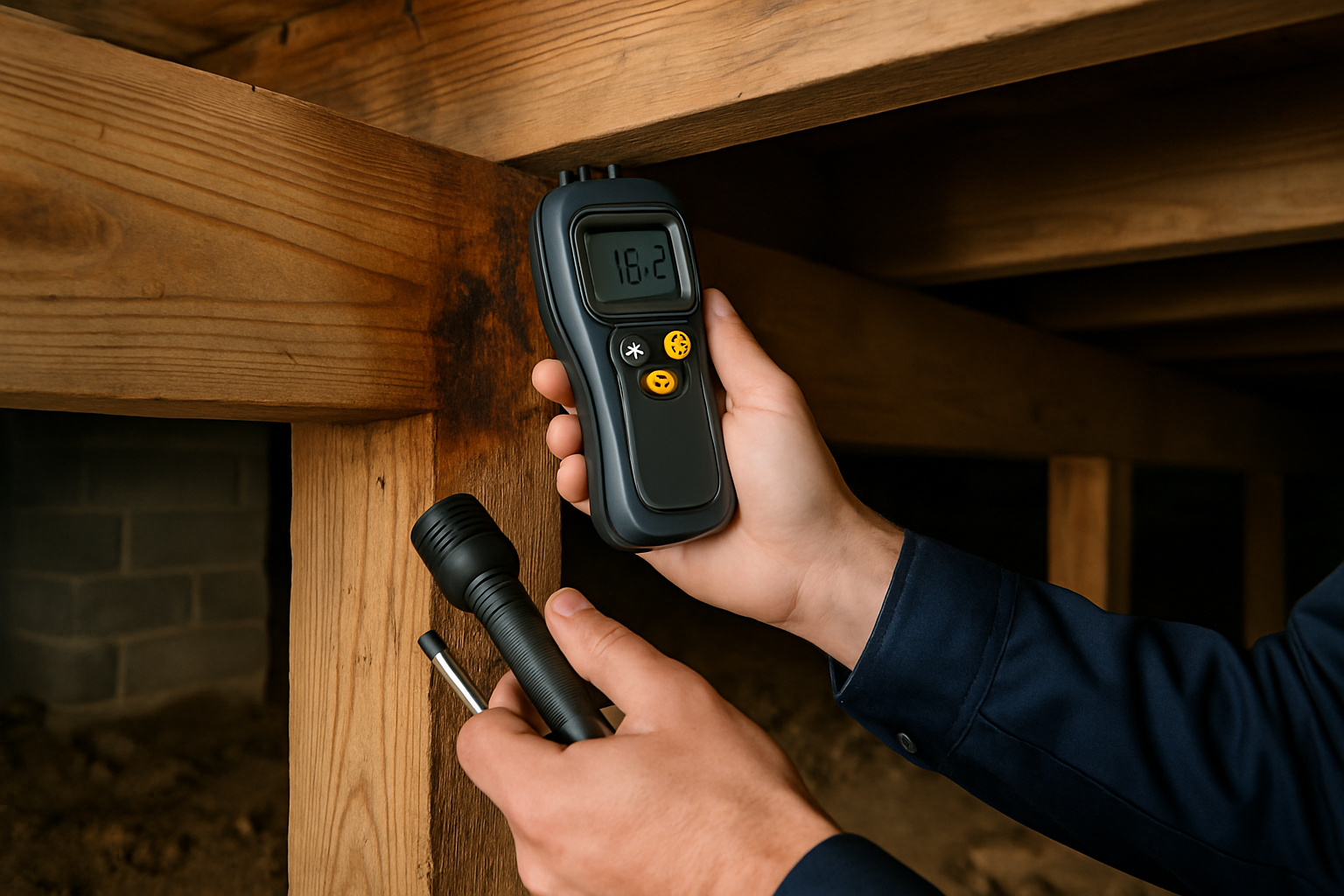
- Moisture levels using specialized detection equipment
The resulting report serves as an official document that property owners, buyers, sellers, and insurance companies rely on for accurate assessment of moisture-related risks and repair requirements.
Factors Affecting Damp and Timber Report Cost 💰
Understanding what influences the damp and timber report cost helps property owners budget appropriately and select the right level of service for their needs.
Property Size and Complexity
Larger properties naturally require more time and resources:
- Small apartments: £300-£450
- Medium houses: £450-£600
- Large properties: £600-£800+
- Commercial buildings: £800-£1,500+
The number of rooms, floors, and accessible areas directly impacts the inspection duration and thoroughness required.
Type of Inspection Required
Visual Inspection Only
- Surface-level assessment
- Non-invasive techniques
- Lower cost option (£300-£500)
- Limited depth of analysis
Invasive Inspection
- Includes drilling and sampling
- Moisture meter readings
- Higher accuracy (£500-£800)
- More comprehensive findings
Geographic Location
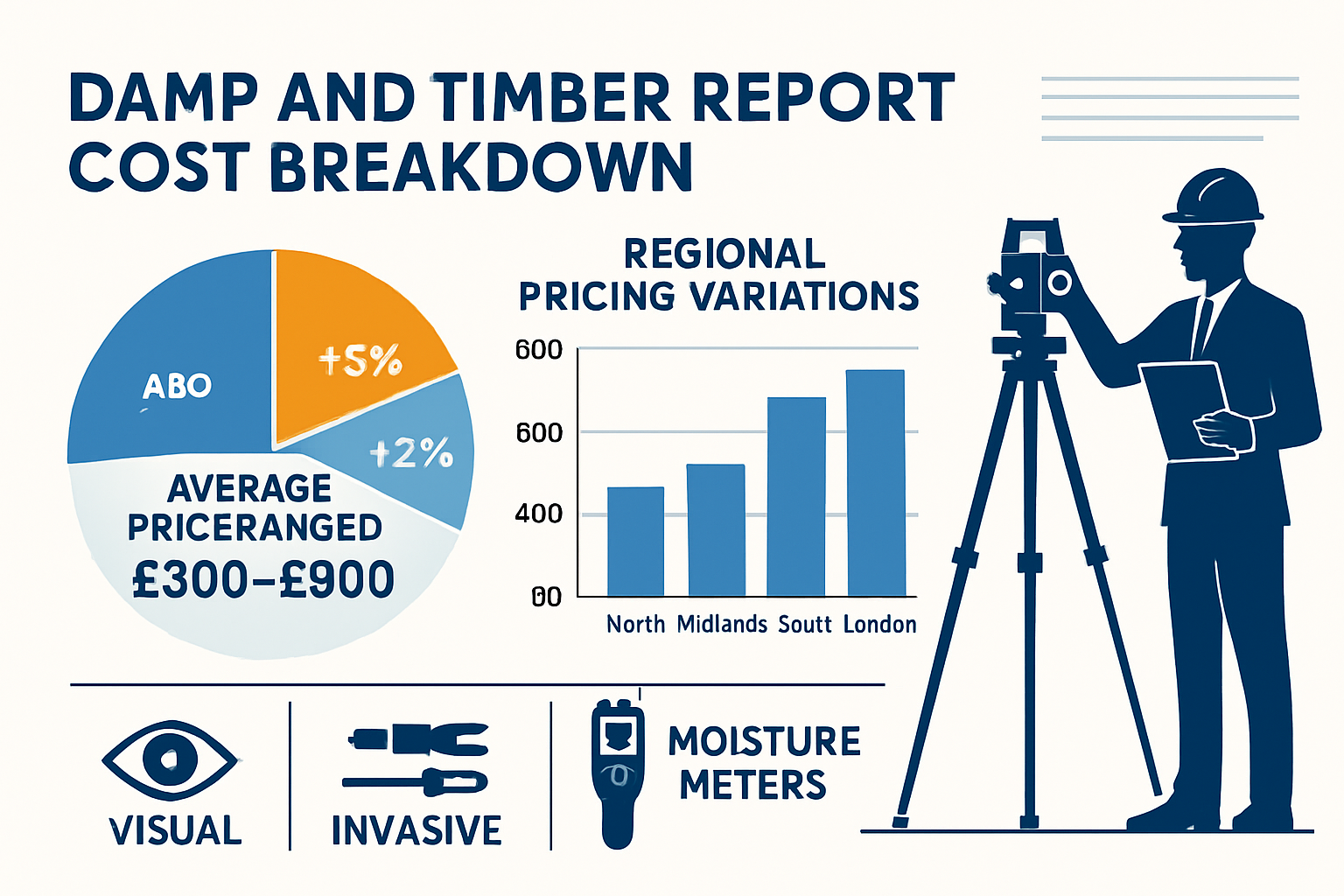
Regional pricing variations across the UK:
| Region | Average Cost Range |
|---|---|
| London & Southeast | £500-£800 |
| Southwest England | £400-£650 |
| Midlands | £350-£600 |
| Northern England | £300-£550 |
| Scotland | £350-£600 |
| Wales | £300-£550 |
Urban areas typically command higher rates due to increased demand and operating costs for surveying companies.
Urgency and Scheduling
Rush services often incur additional charges:
- Standard booking (5-10 days): Standard rates
- Priority booking (2-3 days): 15-25% premium
- Emergency assessment (24-48 hours): 25-50% premium
Planning ahead allows property owners to secure competitive rates and avoid urgency surcharges.
Average Damp and Timber Report Cost Breakdown 📊
The damp and timber report cost varies significantly based on service level and provider expertise. Understanding typical pricing structures helps property owners make informed decisions about their investment.
Standard Service Packages
Basic Visual Assessment (£300-£450)
- External property examination
- Internal moisture detection
- Basic timber inspection
- Written summary report
- Digital photographs
- General recommendations
Comprehensive Inspection (£450-£650)
- Detailed visual assessment
- Moisture meter readings
- Timber probing examination
- Environmental condition analysis
- Detailed written report
- Photographic evidence
- Specific remedial recommendations
- Follow-up consultation
Premium Investigation (£650-£800+)
- Extensive invasive testing
- Laboratory analysis samples
- Structural engineering input
- CAD drawings and mapping
- Comprehensive documentation
- Priority reporting timeline
- Ongoing support services
Additional Cost Considerations
Optional services that may increase total investment:
- Laboratory testing: £50-£150 per sample
- Thermal imaging: £100-£200 additional
- Air quality assessment: £150-£300
- Remedial work quotations: £100-£250
- Expert witness services: £200-£500 per day
- Follow-up inspections: £150-£300
Hidden Costs to Consider
Property owners should budget for potential additional expenses:
- Access equipment rental for difficult areas
- Specialist testing for unusual materials
- Extended reporting for complex findings
- Legal documentation for insurance claims
- Second opinions from independent experts
Choosing the Right Professional for Your Damp and Timber Report
Selecting qualified professionals directly impacts both the damp and timber report cost and the quality of assessment received. Property owners should prioritize expertise and credentials over lowest price options.
Essential Qualifications to Look For
Professional certifications and memberships:
- CSRT (Certificated Surveyor in Remedial Treatment)
- RICS (Royal Institution of Chartered Surveyors)
- PCA (Property Care Association) membership
- RPSA (Residential Property Surveyors Association)
- Relevant insurance and professional indemnity coverage
Questions to Ask Potential Surveyors
Before commissioning a damp and timber report:
- What qualifications and certifications do you hold?
- How many years of experience do you have?
- What equipment will you use during the inspection?
- What does your report include, and how detailed is it?
- Do you provide remedial work recommendations?
- What is your turnaround time for report delivery?
- Are you available for follow-up questions or clarification?
Comparing Quotes Effectively
When evaluating multiple proposals:
- Compare scope of work rather than price alone
- Review sample reports from each provider
- Check client testimonials and references
- Verify insurance coverage and professional standing
- Understand what’s included in quoted prices
- Clarify additional cost scenarios upfront
Red Flags to Avoid
Warning signs of unprofessional or unqualified providers:
🚫 Unusually low prices that seem too good to be true
🚫 Door-to-door sales approaches or high-pressure tactics
🚫 Lack of proper credentials or professional memberships
🚫 Vague scope of work or unclear reporting standards
🚫 No fixed address or professional business premises
🚫 Immediate availability without proper scheduling
When You Need a Damp and Timber Report 🕐
Understanding the appropriate timing for commissioning a damp and timber report helps property owners address issues proactively and avoid costly surprises.
Property Purchase Scenarios
Homebuyers should consider professional assessment when:
- Survey reports indicate potential moisture issues
- Visible signs of damp or timber damage exist
- Older properties (pre-1960s) require detailed evaluation
- Basement or cellar areas show concerning conditions
- Insurance requirements mandate professional documentation
- Mortgage lenders request additional investigation
Property Sale Preparation
Sellers benefit from proactive reporting to:
- Address issues before marketing begins
- Provide transparency to potential buyers
- Support asking price with professional documentation
- Avoid last-minute negotiation complications
- Demonstrate property care and maintenance standards
Insurance and Legal Requirements
Professional reports become essential for:
- Insurance claims related to water damage
- Legal disputes with neighbors or contractors
- Building warranty claims and investigations
- Local authority compliance and enforcement
- Professional negligence cases involving previous work
Maintenance and Monitoring
Ongoing property management benefits include:
- Annual health checks for high-risk properties
- Post-repair verification of remedial work effectiveness
- Seasonal assessments following severe weather
- Rental property compliance with housing standards
- Commercial building maintenance programs
Maximizing Value from Your Damp and Timber Report Investment 📈
Getting the most value from your damp and timber report cost requires strategic planning and proper utilization of the findings and recommendations provided.
Preparing for the Inspection
Property owners can optimize the assessment by:
- Clearing access to all areas requiring examination
- Documenting concerns and sharing them with the surveyor
- Gathering historical maintenance and repair records
- Identifying previous moisture or timber issues
- Ensuring availability for questions during inspection
- Preparing utility access for thorough evaluation
Understanding Your Report
Professional reports typically include:
- Executive summary of key findings
- Detailed observations with photographic evidence
- Moisture level readings and technical data
- Risk assessments for identified issues
- Remedial recommendations with priority rankings
- Cost estimates for suggested repairs
- Maintenance advice for ongoing property care
Acting on Recommendations
Prioritizing remedial work based on:
- Safety concerns requiring immediate attention
- Structural integrity issues affecting stability
- Progressive damage that will worsen over time
- Insurance implications for coverage and claims
- Cost-effectiveness of repair versus replacement
- Property value impact of unaddressed issues
Long-term Property Management
Using report findings for:
- Maintenance scheduling and preventive measures
- Insurance documentation and risk management
- Property improvement planning and budgeting
- Professional relationships with trusted contractors
- Future assessments and monitoring programs
Cost-Saving Strategies for Damp and Timber Reports 💡
Property owners can manage damp and timber report cost effectively while maintaining quality and thoroughness of professional assessment.
Timing Your Assessment
Strategic scheduling can reduce costs:
- Off-peak seasons often offer competitive rates
- Multiple property assessments may qualify for discounts
- Annual maintenance contracts provide consistent pricing
- Group bookings with neighbors can share costs
- Advance planning avoids urgency premiums
Bundling Services
Combining assessments can provide value:
- Building surveys with damp and timber evaluation
- Energy assessments alongside moisture detection
- Structural surveys incorporating timber analysis
- Insurance inspections with comprehensive reporting
- Pre-purchase surveys covering multiple concerns
Preparing Thoroughly
Proper preparation reduces assessment time:
- Clear access minimizes delays and additional charges
- Documented concerns focus inspection efforts
- Historical records provide valuable context
- Utility coordination ensures complete evaluation
- Question preparation maximizes consultant value
Selecting Appropriate Service Levels
Matching service to need optimizes investment:
- Basic assessments for routine monitoring
- Comprehensive reports for property transactions
- Specialist investigations for complex issues
- Follow-up services for ongoing concerns
- Targeted inspections for specific areas
Conclusion: Making Informed Decisions About Damp and Timber Report Cost
Understanding damp and timber report cost empowers property owners to make confident decisions about professional assessments and property maintenance. With typical costs ranging from £300 to £800, these investments provide valuable insights that protect property values, ensure safety, and prevent costly future repairs.
Key factors influencing cost include property size, inspection complexity, geographic location, and service provider expertise. Property owners should prioritize qualified professionals with appropriate certifications and experience over lowest-price options, as the quality of assessment directly impacts the value received.
Professional damp and timber reports serve multiple purposes: supporting property transactions, documenting insurance claims, guiding maintenance decisions, and ensuring compliance with legal requirements. The comprehensive nature of these assessments makes them essential tools for responsible property ownership and management.
Next Steps for Property Owners
- Assess your specific needs and determine the appropriate level of inspection required
- Research qualified professionals in your area with proper credentials and experience
- Obtain multiple quotes comparing scope of work and included services
- Schedule your assessment allowing adequate time for thorough evaluation
- Prepare your property by ensuring clear access and gathering relevant documentation
- Review findings carefully and prioritize recommendations based on safety and cost-effectiveness
- Implement remedial measures as advised to protect your property investment
Remember that professional damp and timber reports are investments in property health, safety, and value. The cost of assessment is typically minimal compared to the potential expense of unaddressed moisture or timber issues, making these reports essential components of responsible property ownership and management strategies.