Understanding Damp and Timber Report Cost: A Complete Guide for 2025
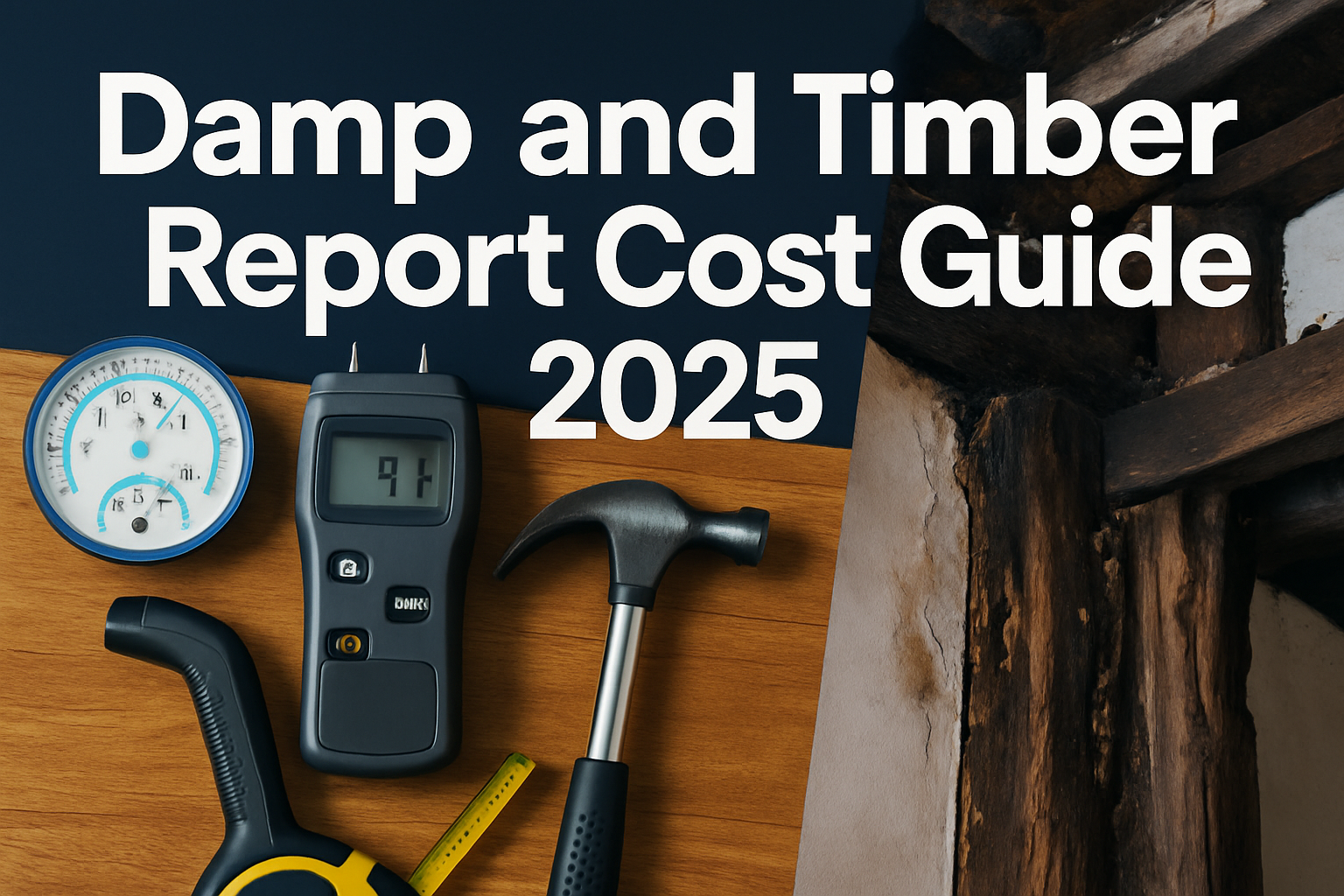
When moisture creeps into your home’s structure, it can silently cause thousands of pounds in damage before you even notice the first signs. 🏠 Understanding damp and timber report cost is crucial for homeowners who want to protect their property investment and ensure their family’s health and safety.
A professional damp and timber survey can be the difference between catching a minor issue early and facing a major structural repair bill later. But what exactly should you expect to pay for this essential service, and how can you ensure you’re getting the best value for your money?
Key Takeaways
• Standard damp and timber report costs range from £200-£800 depending on property size and complexity
• Property location, age, and urgency significantly impact the final price of your survey
• Comprehensive reports typically cost 30-50% more than basic assessments but provide greater value
• Emergency or same-day surveys can increase costs by 50-100% above standard rates
• Investing in a quality report can save thousands in potential repair costs and provide peace of mind
What Is a Damp and Timber Report?
A damp and timber report is a professional assessment that identifies moisture problems, fungal decay, and insect infestations in your property’s wooden structures. Qualified surveyors use specialized equipment to detect issues that aren’t visible to the naked eye.
Types of Damp and Timber Surveys
Basic Visual Inspection
- Surface-level assessment of visible areas
- Identification of obvious damp patches or timber damage
- Limited use of moisture detection equipment
- Suitable for routine property maintenance
Comprehensive Survey
- Detailed inspection using thermal imaging cameras
- Moisture meter readings throughout the property
- Analysis of underlying causes and risk factors
- Recommendations for treatment and prevention
Specialist Investigations
- In-depth analysis for complex problems
- Laboratory testing of timber samples
- Structural engineering assessments
- Required for insurance claims or legal disputes
Typical Damp and Timber Report Cost Breakdown
Understanding the components that make up your survey cost helps you budget effectively and compare quotes from different providers.
Standard Pricing Structure
| Property Type | Basic Report | Comprehensive Report | Specialist Investigation |
|---|---|---|---|
| 1-2 Bed Flat | £200-£350 | £300-£500 | £500-£800 |
| 3 Bed House | £300-£450 | £450-£650 | £650-£1,000 |
| 4+ Bed House | £400-£600 | £600-£800 | £800-£1,500 |
| Commercial Property | £500-£1,000 | £800-£1,500 | £1,200-£3,000 |
Cost Components
Surveyor Fees (60-70% of total cost)
Professional surveyors typically charge between £150-£300 per day, depending on their qualifications and experience. Chartered surveyors command higher fees but provide more comprehensive assessments.
Equipment and Technology (15-20%)
Modern damp detection requires specialized tools:
- Moisture meters: £50-£150 per day
- Thermal imaging cameras: £100-£200 per day
- Endoscopic cameras: £75-£125 per day
Travel and Expenses (5-15%)
Distance from the surveyor’s base affects costs, particularly in rural areas or for properties requiring multiple visits.
Report Preparation (10-15%)
Detailed analysis, photography, and written recommendations require significant time investment from qualified professionals.
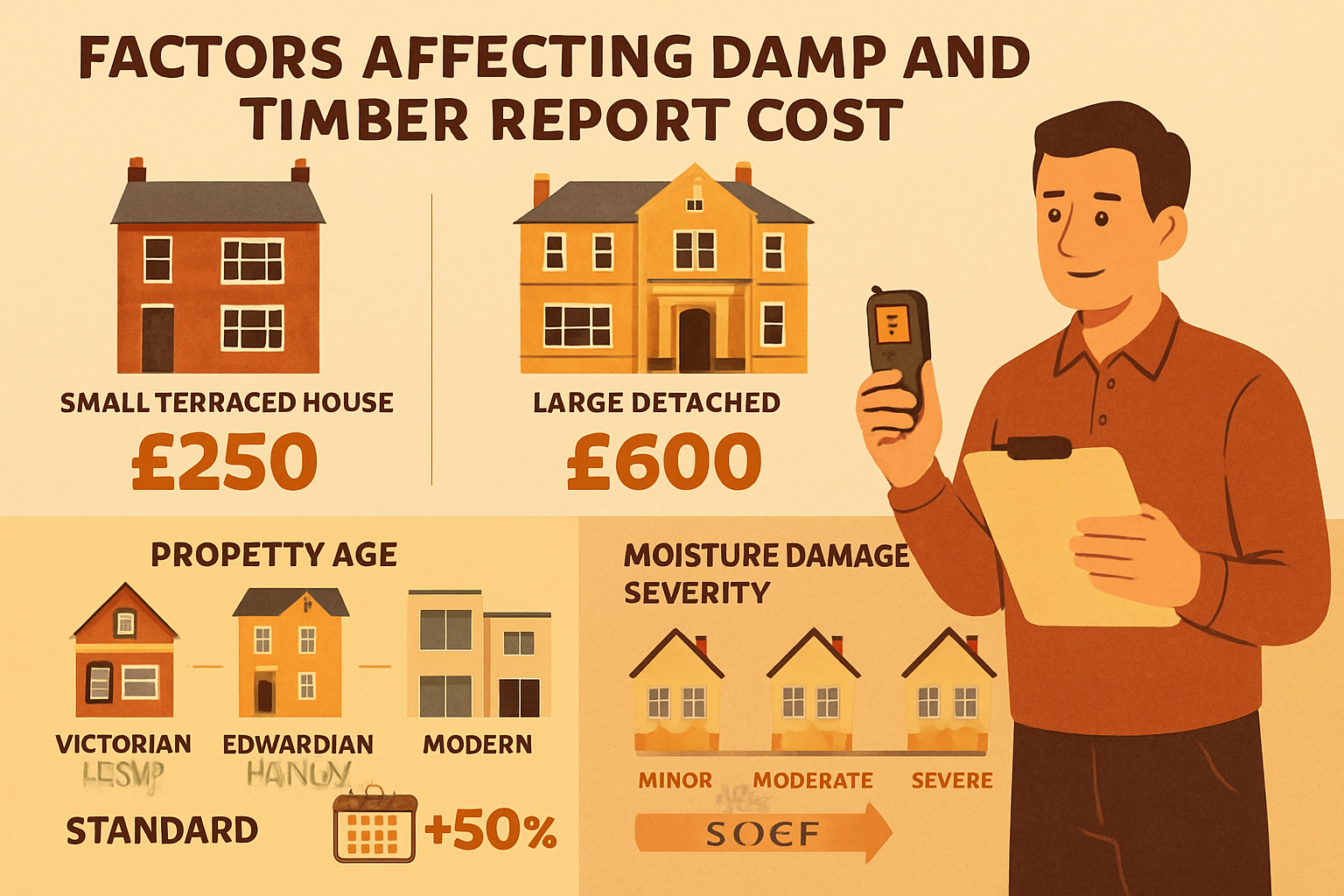
Factors Affecting Damp and Timber Report Cost
Multiple variables influence the final price you’ll pay for your survey. Understanding these factors helps you budget accurately and choose the right level of service.
Property Characteristics
Size and Layout
Larger properties naturally require more time to inspect thoroughly. Complex layouts with multiple levels, extensions, or converted spaces increase survey duration and cost.
Age and Construction Type
- Period properties (pre-1945): Higher risk of damp issues, require more detailed inspection
- Modern builds (post-1980): Faster to survey but may have different damp problems
- Listed buildings: Specialist knowledge required, premium pricing applies
Accessibility Challenges
Properties with limited access to key areas may require additional equipment or return visits:
- Crawl spaces and confined areas
- High ceilings requiring scaffolding
- Locked or tenant-occupied sections
Geographic Location
Regional Price Variations
Damp and timber report costs vary significantly across the UK:
- London and South East: £350-£800 (premium of 20-40%)
- Major Cities (Manchester, Birmingham, Edinburgh): £300-£650
- Regional Towns: £250-£500
- Rural Areas: £200-£450 (plus higher travel costs)
Local Market Conditions
Areas with high property values or limited surveyor availability typically command higher prices. Coastal regions prone to damp problems may have more competitive pricing due to higher demand.
Urgency and Timing
Standard Turnaround (5-7 working days)
Most surveyors offer standard pricing for surveys booked with reasonable notice.
Express Service (2-3 working days)
Expedited surveys typically cost 20-30% more than standard rates.
Emergency Call-outs (same day or next day)
Urgent surveys can double the standard cost, particularly for weekend or evening appointments.
Scope and Complexity
Additional Services
Many providers offer add-on services that increase the overall cost:
- Air quality testing: £100-£200
- Structural timber assessment: £150-£300
- Treatment quotations: Usually included, but detailed specifications cost extra
- Follow-up monitoring: £75-£150 per visit
How to Get the Best Value for Your Damp and Timber Report Cost
Maximizing value doesn’t always mean choosing the cheapest option. Focus on getting comprehensive, actionable information that helps you make informed decisions.
Choosing the Right Surveyor
Qualifications to Look For
- RICS membership (Royal Institution of Chartered Surveyors)
- CSRT certification (Certified Surveyor in Remedial Treatment)
- PCA membership (Property Care Association)
- Relevant insurance and professional indemnity coverage
Questions to Ask Potential Surveyors
- What equipment do you use for moisture detection?
- How detailed will the written report be?
- Do you provide treatment recommendations and cost estimates?
- What’s included if follow-up questions arise?
- Can you provide references from recent clients?
Comparing Quotes Effectively
What to Include in Your Brief
Provide consistent information to all potential surveyors:
- Property age, size, and construction type
- Specific areas of concern
- Urgency requirements
- Preferred report format and detail level
Red Flags to Avoid
- Unusually low quotes that seem too good to be true
- Pressure tactics or immediate treatment sales pitches
- Lack of proper credentials or insurance documentation
- Vague scope descriptions without clear deliverables
Timing Your Survey Strategically
Best Times to Book
- Autumn and winter: Higher moisture levels reveal problems more clearly
- Weekdays: Often cheaper than weekend appointments
- Off-peak periods: Avoid busy summer moving season for better rates
Seasonal Considerations
Some damp problems are more apparent during specific seasons. Discuss timing with your surveyor to ensure optimal detection conditions.
Additional Costs to Consider
Beyond the basic damp and timber report cost, several additional expenses may arise depending on your specific situation.
Follow-up Actions
Treatment Costs
If problems are identified, treatment costs can vary significantly:
- Minor damp treatment: £500-£2,000
- Major timber replacement: £2,000-£10,000+
- Structural repairs: £5,000-£25,000+
Monitoring and Maintenance
Ongoing monitoring may be recommended:
- Annual check-ups: £150-£300
- Moisture level monitoring: £50-£100 per visit
- Treatment warranty inspections: Often included in treatment packages
Insurance and Legal Considerations
Insurance Claims Support
If you’re claiming on insurance, additional documentation may be required:
- Detailed photographic evidence: Usually included
- Expert witness reports: £500-£1,500 if legal action is involved
- Multiple specialist opinions: £300-£600 per additional report
When to Invest in a Damp and Timber Report
Knowing when to commission a survey helps you balance cost against potential benefits and risks.
Essential Situations
Property Purchase
Always invest in a comprehensive survey when buying:
- Pre-purchase surveys can reveal hidden problems
- Negotiation tool for reducing purchase price
- Peace of mind for your largest investment
Visible Signs of Problems
Don’t delay if you notice:
- Musty odors or poor air quality
- Discolored walls or peeling paint
- Soft or spongy timber
- Increased condensation or humidity
Insurance Requirements
Some situations mandate professional assessment:
- Mortgage lender requirements
- Insurance claim investigations
- Warranty validations for previous treatments
Preventive Situations
Regular Property Maintenance
Consider surveys as part of routine maintenance:
- Every 5-10 years for older properties
- After major weather events or flooding
- Before significant renovations
Rental Property Management
Landlords should consider regular surveys to:
- Protect tenant health and safety
- Maintain property value
- Comply with legal obligations
Making the Most of Your Investment
Once you’ve commissioned a damp and timber report, maximize its value by understanding and acting on the findings.
Understanding Your Report
Key Sections to Focus On
- Executive summary: Quick overview of main findings
- Risk assessment: Prioritized list of issues
- Treatment recommendations: Specific actions required
- Cost estimates: Budget planning information
Technical Information
Don’t ignore technical details:
- Moisture readings: Baseline data for future comparison
- Photographic evidence: Visual record of current conditions
- Methodology notes: Understanding how conclusions were reached
Acting on Recommendations
Prioritizing Actions
Not all recommendations require immediate action:
- Urgent safety issues: Address within days
- Progressive problems: Plan treatment within months
- Preventive measures: Implement when convenient
Getting Treatment Quotes
Use your report to obtain accurate treatment quotes:
- Provide full report to potential contractors
- Request detailed specifications matching report recommendations
- Compare like-for-like proposals based on report findings
Future Trends in Damp and Timber Surveying
The surveying industry continues to evolve, potentially affecting future costs and service quality.
Technology Advances
Emerging Detection Methods
- Drone surveys for roof and high-level inspections
- AI-powered analysis for pattern recognition
- IoT monitoring systems for continuous assessment
Cost Implications
New technology may initially increase costs but could provide better value through:
- More accurate detection reducing false positives
- Faster survey completion lowering labor costs
- Better documentation improving report quality
Regulatory Changes
Building Standards Evolution
Changing regulations may affect:
- Survey requirements for different property types
- Professional qualifications and training standards
- Reporting formats and minimum content requirements
Conclusion
Understanding damp and timber report cost is essential for making informed decisions about your property’s health and your family’s safety. While prices typically range from £200-£800 depending on various factors, the investment in a quality survey can save thousands in potential repair costs and provide invaluable peace of mind.
Key actions to take:
- Research qualified surveyors in your area with proper credentials and insurance
- Get multiple quotes but focus on value rather than just the lowest price
- Consider the urgency of your situation and budget for potential premium pricing
- Plan for follow-up costs including potential treatments and ongoing monitoring
- Use your report strategically for property negotiations, insurance claims, or maintenance planning
Remember that a comprehensive damp and timber report is an investment in your property’s future. The cost of early detection and prevention is always significantly lower than the expense of major structural repairs or health issues caused by untreated damp problems.
Don’t wait until problems become visible or severe. Whether you’re buying a new property, maintaining your current home, or managing rental properties, a professional damp and timber survey provides the knowledge you need to protect your investment and ensure a safe, healthy living environment.